
Manufacturing sales cycles are long and often involve technical buyers across engineering, procurement, operations, and finance. With margins under pressure from supply chain volatility and rising costs, lead generation in manufacturing is no longer optional – it is how you protect revenue and drive growth. Manufacturing lead generation involves identifying and attracting potential businesses or buyers for industrial products, equipment, and services. Manufacturers often sell to other businesses, such as procurement managers and engineers, which means your lead generation efforts must speak to multiple decision makers at once.
Effective lead generation for manufacturing companies today blends inbound channels (search engine optimization, RFQ optimization), outbound prospecting (personalized outreach, appointment setting), partner and dealer networks, and account based marketing. Trust and proof of capability play crucial roles in manufacturing lead generation. Buyers expect certifications, case studies, and technical depth before they ever pick up the phone. This article delivers practical, non-generic strategies a mid-market manufacturing business can implement in the next 90 days, grounded in real 2025–2027 conditions where buyers complete 60–70% of their research before contacting suppliers and AI-assisted outreach is reshaping the sales pipeline.
Table of Contents
- Understand the Modern Manufacturing Buyer’s Journey
- Build the Foundation for Effective Lead Generation
- Capture Existing Demand: SEO, RFQs, and Paid Search
- Create Demand: Content Creation, Case Studies, and Thought Leadership
- Outbound Prospecting and Account Based Marketing for Key Prospects
- Use Technology, Automation, and AI to Improve Lead Quality
- Measure, Optimize, and Align Sales & Marketing
- Why Choose a Specialist Partner for Manufacturing Lead Generation
- Next Steps: Turn Strategy into a Lead-Generating Syste
- Manufacturing Lead Generation FAQs
Understand the Modern Manufacturing Buyer’s Journey
The manufacturing industry has shifted from trade shows and referrals as primary pipelines to digital-first, research-heavy journeys. Design engineers, plant managers, maintenance teams, procurement staff, and finance all participate in buying decisions – each with different information needs. Your lead generation strategy must serve all of them. Educational resources help manufacturers engage with potential customers early in their research phase, long before an RFQ is issued. Successful manufacturers use educational content to engage potential buyers at every stage from problem definition through supplier shortlist, vendor evaluation, pilot order, and long-term relationship. Roughly sixty-one percent of inbound marketers prioritize enhancing SEO for client acquisition, confirming the importance of being found when buyers search engines for solutions.
Key terms to know: ICP (ideal customer profile), MQL (marketing qualified lead), SQL (sales qualified lead), RFQ (request for quote), ABM (account based marketing), CPL (cost per lead). Understanding how buyers move through these stages separates random inquiries from a predictable pipeline of high quality leads.
Build the Foundation for Effective Lead Generation
Many manufacturers fail because they skip foundations. Effective manufacturing website design is important for attracting qualified leads, and manufacturers can improve lead conversion by streamlining RFQ processes.
Effective lead generation depends on aligning sales and marketing teams from day one.
- Define your ideal customers by NAICS codes (31–33 at 4–6 digit level), plant size, annual revenue, geography, certifications, and tolerances. Narrowing focus leads to better lead quality and higher win rates.
- Clarify lead taxonomy and SLAs: Inquiry → MQL → SQL → Opportunity → Quote → Won/Lost. Set time-bound SLAs – all RFQs answered within two business hours, demo requests contacted same day. Implementing a scoring system helps prioritize leads effectively.
- Optimize RFQ paths: low-friction forms requesting only contact info, part files, quantities, timelines, and compliance needs. Support CAD/STEP/DWG uploads, NDA checkbox, and mobile experience. Digital catalogs allow buyers to download CAD models that capture contact details.
- Trust and proof on your site: ISO certificates, machine lists, tolerance ranges, industries served, on-time delivery stats, and short case studies are non-negotiables every manufacturing website should show.
Capture Existing Demand: SEO, RFQs, and Paid Search
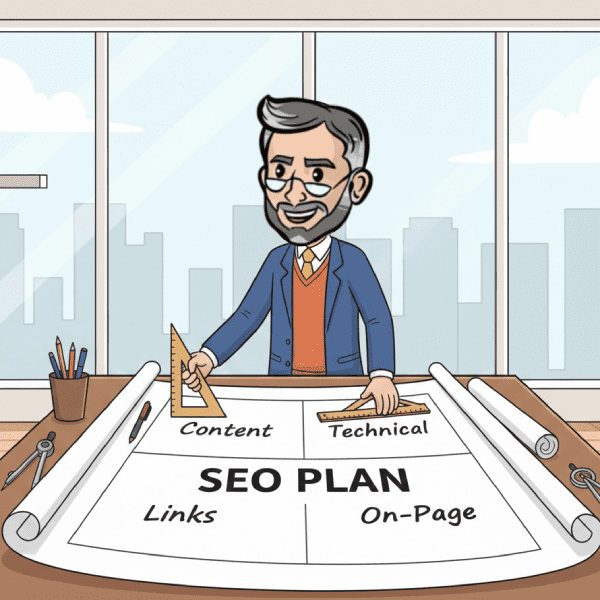
Capturing existing demand means ranking for high-intent searches, making it easy to request quotes, and intercepting buyers already in the market.
A manufacturing SEO strategy focuses on niche keywords to attract specific industrial buyers. Build process- and material-specific capability pages that answer real buyer questions like “food-grade conveyor belt lead times” or “UL-certified control panel shop near me.” SEO optimization enhances visibility for targeted content in manufacturing.
PPC for manufacturers can generate leads quickly by targeting searches like “[process] + RFQ” or “[equipment type] supplier” and using negative keywords to filter consumer traffic.
According to Google Ads’ negative keyword guidance, negative keywords help exclude irrelevant search terms and improve campaign targeting.
Manufacturing leads are often evaluated based on technical fit, budget, and timing, so route ads to focused capability pages rather than your home page.
Improving your RFQ page – adding response time promises, certifications, and case studies next to the form – is often the fastest way to convert more site visitors into leads within 30 days.
Create Demand: Content Creation, Case Studies, and Thought Leadership
Not all ideal customers are actively searching. Content marketing involves publishing technical guides and case studies to attract leads. Effective industrial product marketing includes DFM checklists, tolerance charts, material comparison guides, and regulatory explainers written for engineers and buyers. Targeted content addresses specific challenges of the manufacturing audience, and high-quality content keeps leads engaged throughout their buying journey.
About seventy percent of B2B purchasers are influenced by case studies in their decisions. Structure yours around operational metrics – scrap reduction, uptime increases, throughput improvements – with concrete years and realistic numbers.
Set up simple email nurture flows for new contacts: 3–5 emails over 3–4 weeks with one helpful resource each (guide, video walkthrough, case study, webinar invite). Automated follow-up emails improve engagement with prospects, and personalized communication boosts lead conversion rates significantly. Short LinkedIn and email-embedded videos showing real machines and inspection setups build trust with potential clients and support both inbound and outbound manufacturing lead generation.
Outbound Prospecting and Account Based Marketing for Key Prospects
For large OEMs and enterprise plants, inbound alone will not reach key prospects, making outbound prospecting an important part of lead generation. Targeted digital outreach is key for successful lead generation in manufacturing. Account-based marketing targets high-value enterprise accounts with personalized approaches, and manufacturers should adopt both inbound and outbound strategies. Companies using dual inbound and outbound strategies see better results across the board.
Build targeted account lists of 25–100 prospects using firmographic filters and operational signals. Reach multiple roles in each account with tailored messaging across email, LinkedIn Sales Navigator, and phone over 10–20 business days. Intent-based cold calling can lead to 30% more appointments compared to generic cold calling. Offer DFM reviews, plant audits, sample part analysis, or feasibility checks rather than generic intro calls – these generate higher quality manufacturing sales leads. Combine content creation and account based marketing by building mini resource hubs for specific industries to shorten the path from first outreach to RFQ.
Use Technology, Automation, and AI to Improve Lead Quality
Tools amplify strategy – they will not fix a weak offer or unclear ICP. Manufacturers using AI-driven insights see faster lead qualification, and AI-driven lead generation improves manufacturing sales efficiency. Companies using AI-driven lead generation see predictable pipelines.
CRM systems and marketing automation for manufacturing automate follow-up emails and reminders, triggering actions when someone downloads a guide, visits key pages repeatedly, or abandons an RFQ form. Intent-based lead generation targets buyers actively researching solutions, and real-time data enhances lead qualification and targeting accuracy.
Scoring models that factor in industry fit, plant size, role, and engagement level help the sales team focus on the best 10–20% of leads. One manufacturer achieved a 4x improvement in lead quality by focusing on high-intent decision makers through precision lead generation rather than chasing volume. Responsible use means human review of messages and compliance with email regulations – no spam-blast campaigns.

Measure, Optimize, and Align Sales & Marketing Around Revenue
Manufacturing lead generation only matters if it turns into pipeline and revenue. Regularly measuring metrics like qualified leads and RFQ conversions informs lead generation success. Track RFQs by segment, RFQ-to-quote rate, quote-to-win rate, average order value, sales cycle length, and contribution margin by channel. Use first-touch and last-touch attribution to support measuring marketing ROI. Then decide whether to invest more in SEO, paid search, trade shows, or outbound.
Run monthly or quarterly reviews where sales and marketing examine what types of leads closed, what content helped, and what objections arose. Feed insights back into targeting, messaging, and content creation. When capacity constraints exist, slow demand capture for fully booked cells and focus on higher-margin or strategic work. Route hot leads to the right product line or plant to avoid bottlenecks.
Why Choose a Specialist Partner for Manufacturing Lead Generation
Growth stalls when manufacturers rely on traditional marketing alone or partner with agencies that do not understand industrial buying behavior. A specialist partner brings expertise in RFQs, long technical sales cycles, distributor and dealer networks, and complex equipment purchasing. They should support both inbound (SEO, content, website optimization) and outbound (AI-assisted prospecting, campaigns) plus CRM and marketing automation setup. Look for partners who report on pipeline and revenue impact – not just clicks – and who can connect marketing, sales, and operations around measurable outcomes. Ask for industrial case studies, familiarity with your sub-industry, and a clear approach to lead quality and account based marketing.
Next Steps: Turn Strategy into a Lead-Generating System

Effective lead generation in the manufacturing industry comes from a strong foundation, consistent demand capture, thoughtful demand creation, disciplined outbound, and tight measurement.
Successful manufacturers employ multiple channels for inbound and outbound marketing and treat lead generation services as a system rather than a set of disconnected tactics.
Here is a practical 90-day action plan. In month one, define your ICP, audit website trust signals, fix your RFQ path, and launch basic paid search campaigns. In month two, publish your first capability pages, build a nurture sequence, and assemble or update case studies with real operational data. In month three, launch targeted outbound to 25–50 strategic accounts, integrate intent and signal-based targeting with your CRM software, and set up dashboards so your team reviews pipeline metrics weekly.
Audit your current lead generation strategy and identify the biggest gaps.
Share this article with your sales team and operations leaders to align priorities. Then reach out to a specialized manufacturing marketing partner to design and launch a focused lead generation strategy that turns your expertise into a predictable, growing pipeline of qualified leads.
Manufacturing Lead Generation FAQs
How is manufacturing lead generation different from other B2B lead generation?
The manufacturing sector involves complex sales cycles, technical specifications, RFQ processes, certifications, and multi-role buying committees. Unlike SaaS or services, buyers evaluate suppliers on tolerances, material traceability, compliance, and delivery reliability. Manufacturers benefit from maintaining verified profiles on industrial directories and B2B marketplaces alongside digital marketing.
What is the fastest way for a manufacturing business to generate leads in 2027?
Tighten your RFQ paths, launch focused Google Search ads on high-intent keywords, and follow up trade show contacts within two weeks of events. Trade shows provide an opportunity for manufacturers to showcase products and build trust, but speed of follow-up determines ROI. Automated outreach can increase appointment rates by 30%.
How long does it usually take to see results from a new lead generation strategy?
Paid search and RFQ optimization can produce results in weeks. Outbound campaigns typically show traction in 1–3 months. SEO and content take 3–9 months to mature. Manufacturers can achieve a 25% faster sales cycle by combining channels. Digital marketing efforts should be supported by traditional networking and in-person events.
What is a good cost per lead for manufacturers?
It varies by deal size and segment. Evaluate CPL alongside win rate and lifetime value. A $200 lead that converts at 20% on a $50,000 deal is far more valuable than a $30 lead that never closes.
How do I improve lead quality without killing volume?
Sharpen your ICP, add qualifying questions to RFQ forms, use lead scoring, and produce content that naturally attracts the right audience and repels poor fits. Intent-based lead generation can yield 30% more appointments by focusing on right prospects who are actively researching manufacturing solutions.
Can small and mid-sized manufacturers compete with big brands in lead generation?
Absolutely. Niche positioning, specialized content for specific industries, faster speed-to-quote, and more responsive technical support are powerful differentiators. Companies implementing targeted campaigns improve engagement significantly, and a 40% increase in marketing qualified leads is achievable through targeted outreach even for mid-market manufacturers entering new markets.