This article is a step-by-step roadmap for forklift dealers who want to generate more qualified leads and close more deals through smarter marketing.
Table of Contents
Introduction: Why Forklift Dealer Marketing Matters in 2026
Understanding the 2026 Forklift Market & Your Ideal Customers
Building a Lead-Generating Website for Your Forklift Dealership
Smart SEO & Local Search Strategy for Forklift Dealers
Paid Ads & PPC: Turning High-Intent Searches into Forklift Leads
Content Marketing & Case Studies for Forklift Dealerships
Email Marketing, CRM, and Nurturing Repeat Forklift Business
Industry Events, Trade Shows, and Local Outreach
Measuring Results: Marketing Benchmarks for Forklift Dealers
Why Choose Our Equipment Marketing Team for Your Forklift Dealership
Next Steps: Turn Your Forklift Dealer Marketing into Measurable Revenue
Frequently Asked Questions About Forklift Dealer Marketing
Introduction: Why Forklift Dealer Marketing Matters in 2026
Forklift dealerships in North America face tighter margins, a full buyer journey that stretches to roughly 12.5 months on average, and a customer base that now starts its research online rather than picking up the phone. Forklift dealers increased leads by 600% in three years when they combined digital visibility with relationship building; those that relied on referrals alone fell behind.
Your competition is no longer just the dealer two counties over. Regional rental fleets, used-equipment marketplaces, and OEM-direct sales models all compete for the same buyers. A clear forklift dealer marketing strategy is the only reliable way to stay visible and relevant.
This article covers practical, evidence-based tactics: digital marketing, search engine optimization, paid ads, content marketing, email marketing, industry events, and CRM. The guidance applies to single-location forklift dealerships and multi-branch operations selling and servicing IC, electric, warehouse, and rough-terrain units. By the end, you will have a framework for generating more qualified leads, building repeat business on forklift service and rentals, and connecting marketing spend to signed deals.
Understanding the 2026 Forklift Market & Your Ideal Customers
Understanding your target market is crucial for closing sales. The U.S. electric forklift market reached approximately $7.9 billion in revenue in 2025 and is forecast to nearly hit $19.8 billion by 2033. Electric forklifts accounted for over 60% of forklift sales by 2025, driven by warehouse emissions rules and lower total cost of ownership. Heavy equipment purchases are high-consideration and capital-intensive, which means your marketing plan must account for long evaluation cycles and multiple decision makers.
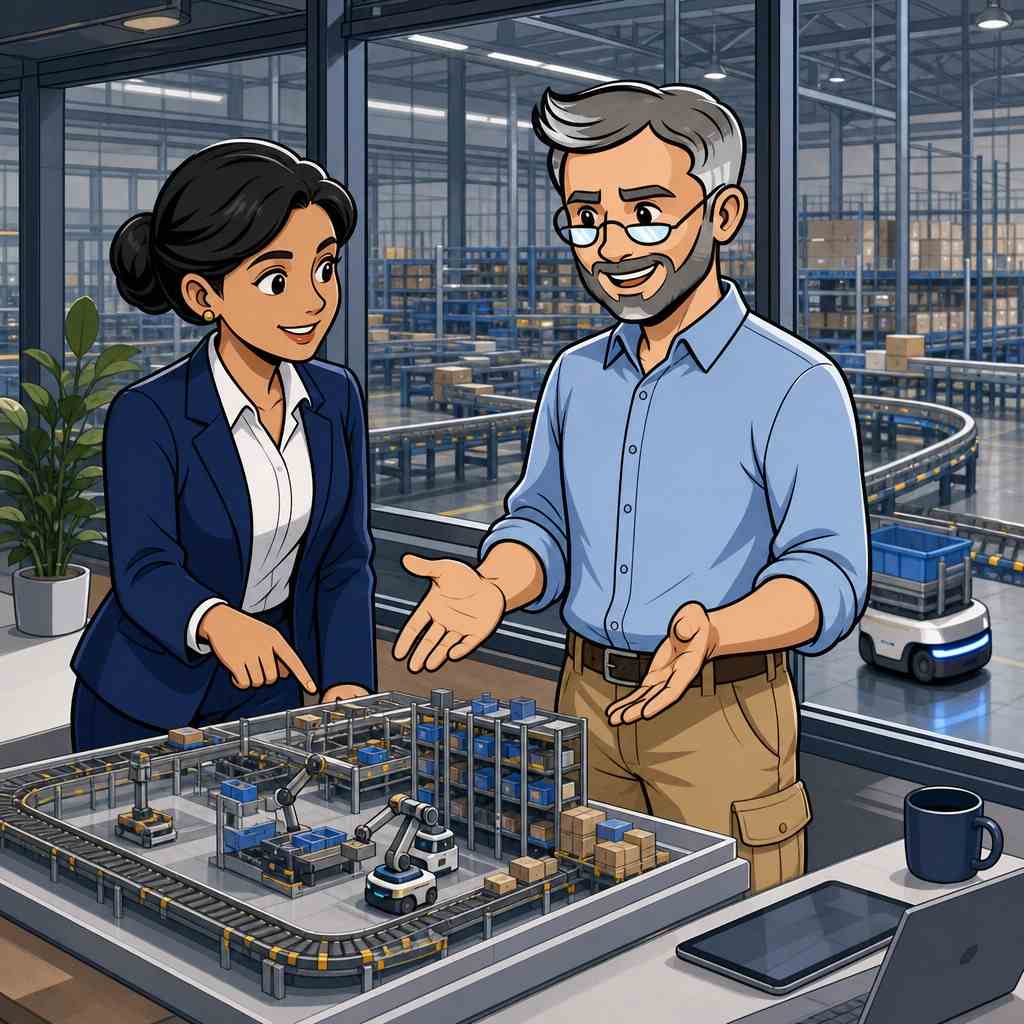
Core forklift buyer segments include:
- Warehouse operations managers focused on uptime and local forklift service response times
- 3PL and logistics directors comparing lease terms and fleet flexibility
- Plant managers evaluating safety training, OSHA compliance, and parts availability
- Construction superintendents needing rough-terrain units with fast delivery
- Small business owners buying 1 to 3 trucks, often price-sensitive and seeking financing
Build your ideal customer profiles around five categories: new equipment buyers, used forklift buyers, short-term rental users, long-term rental or fleet accounts, and service-only accounts. Each segment requires different messaging and different offers. Nearly two-thirds of consumers use smartphones for online searches, so your material handling solutions must be accessible on mobile devices from the first touchpoint.
Section 179 remains a powerful motivator. In 2026, businesses may be able to deduct up to $2.56 million in qualifying equipment purchases, subject to applicable limits. Timing campaigns around November and December lets forklift dealers connect with potential buyers who are actively looking to close before the tax deadline.
Building a Lead-Generating Website for Your Forklift Dealership
A forklift dealer website in 2026 must function as a 24/7 sales rep, not a digital brochure. Optimizing website content is crucial for attracting more visitors and converting visitors into leads for sales, rentals, and service.
Your site needs fast load times, mobile-first design for field managers checking inventory on their phones, and clear navigation separating “New Forklifts,” “Used Forklifts,” “Rentals,” and “Forklift Service.” Building dedicated landing pages around specific product types enhances SEO and conversion tracking; create separate pages for each fuel type, brand, and forklift model you carry.
Effective calls to action for a forklift business include:
- Quote request forms for new and used units
- Service scheduling forms with dropdown fields for equipment type
- Rental availability requests with date selectors
- “Talk to a warehouse consultant” booking links
Add conversion elements that match how buyers shop: inventory search filters by capacity, mast height, and power type; downloadable fleet replacement checklists; and chat or text options for quick questions. One Phoenix-area dealer rebuilt their site with clean architecture and saw an 1,800% increase in quarterly organic traffic.
Smart SEO & Local Search Strategy for Forklift Dealers
Search engine optimization improves website visibility in search engine results pages and can increase organic traffic from Google and other search engines. Buyers now start their forklift research on Google, Google Maps, and AI-powered overviews before contacting a single dealer. Local SEO is critical for visibility in geographically driven search results.
Keyword research for forklift dealerships should mix:
- Location terms: “forklift dealers in Dallas,” “forklift rental Houston”
- Condition terms: “used forklifts near me,” “certified pre-owned forklift”
- Service terms: “forklift mast repair,” “OSHA forklift training requirements“
- Brand and model terms specific to the lines you carry
Using relevant keywords helps Google match searches to your site. Optimizing for high-intent keywords improves digital visibility for forklift dealers because high-intent keywords capture buyers closer to making a purchasing decision. Each product and service page needs unique content, internal links between related pages, and FAQ sections that answer long-tail questions.
Claiming and optimizing Google Business Profile boosts local search visibility. For each dealership location, maintain consistent NAP (name, address, phone) across directories, write detailed service area descriptions, and ask customers for reviews right after successful service calls.
Results speak for themselves: one Houston-area dealer ranks #1 for five of six non-branded keywords across a 32-mile geo-grid. A DFW forklift company achieved top rankings for multiple rental-intent keywords with organic phone calls rising over 220%, all from SEO alone. SEO strategies require continuous management for effectiveness; this is not a one-time project.
Paid Ads & PPC: Turning High-Intent Searches into Forklift Leads
PPC advertising captures immediate demand for high-urgency searches. When a warehouse manager types “buy 5,000 lb electric forklift” or “forklift dealer near me,” Google Ads puts your dealership at the top while SEO is still building momentum. PPC campaigns can effectively drive targeted traffic to websites and generate leads within the first week of launch.
Structure campaigns by segment: new units, used units, rentals, and forklift service. Target keywords like “forklift dealerships in Phoenix,” “forklift service contract,” and “forklift rentals weekly rates.” Add negative keywords to block consumer or hobbyist searches that waste budget.
Geo-target around your service area: dealer territories, industrial parks, ports, and distribution corridors. Focus ad spend on ZIP codes with high concentrations of warehouses and manufacturers.
Retarget website visitors with display or social media ads that highlight financing offers, trade-in programs, or seasonal discounts tied to Section 179 deadlines in Q4.
Measure PPC in forklift business terms:
| Metric | Benchmark Range |
|---|---|
| Cost per lead (blended) | $300 to $800 |
| Cost per click | $40 to $350+ |
| Customer acquisition cost | ~$20,842 in heavy equipment |
| Average touchpoints to close | ~46 |
PPC campaigns can drive targeted traffic to your website, but without fast sales follow-up, those leads go cold. Make sure sales reps respond to form fills within minutes, not hours.
Content Marketing & Case Studies for Forklift Dealerships
Content marketing builds trust and educates potential forklift buyers during months-long evaluation cycles. Forklift buyers want specific, practical information about uptime, total cost of ownership, charger infrastructure, and warehouse layout. Promoting solutions to problems rather than just products aligns marketing with customer needs.
Content creation ideas for forklift dealers:
- Blog posts comparing electric vs. LP forklifts in cold storage applications
- Videos walking through pre-shift inspections for different forklift models
- Articles on planning a phased fleet replacement over 2026 to 2028
- Blogs that showcase industry news and company developments
Content marketing includes creating articles, videos, and graphics. Using video content can influence B2B purchasing decisions; video demonstrations of equipment help buyers visualize features before purchase. Videos can highlight features of different forklift models in a way that spec sheets cannot.
Integrating customer success stories into marketing builds credibility and trust. One UK dealer shifted focus from blog-heavy content to optimizing commercial product and service pages; their “used forklift” pages saw organic traffic rise 70.4% in 12 months. Educational content builds trust by answering operational questions for buyers and showcases expertise that generic heavy equipment sites lack.
Repurpose content across channels: turn a long case study into short LinkedIn posts, email newsletter features, and on-page testimonials. Content marketing helps attract and retain forklift customers, and gives sales reps valuable material to send during long evaluation cycles. Content marketing builds trust by providing helpful information that potential customers can reference at every stage of the sales funnel.
Email Marketing, CRM, and Nurturing Repeat Forklift Business
Most forklift deals do not close on the first touch. The seller-visible stage alone averages about 130 days. Email marketing can increase engagement and response rates by keeping your dealership top-of-mind across that timeline. Email marketing can increase engagement by segmenting your audience by equipment brand, capacity range, industry, or lifecycle stage.
Simple email campaigns for forklift dealers:
- Post-demo follow-ups with spec sheets and financing options
- Service reminder campaigns at 250-hour and 500-hour intervals
- Reactivation emails for lapsed rental customers
- Section 179 deadline reminders each November and December
Using personalized outreach campaigns targets B2B clients at the right moment. Preventive maintenance alerts improve customer service and retention; after-sales service contributes to customer retention for equipment dealers more than any single acquisition tactic.
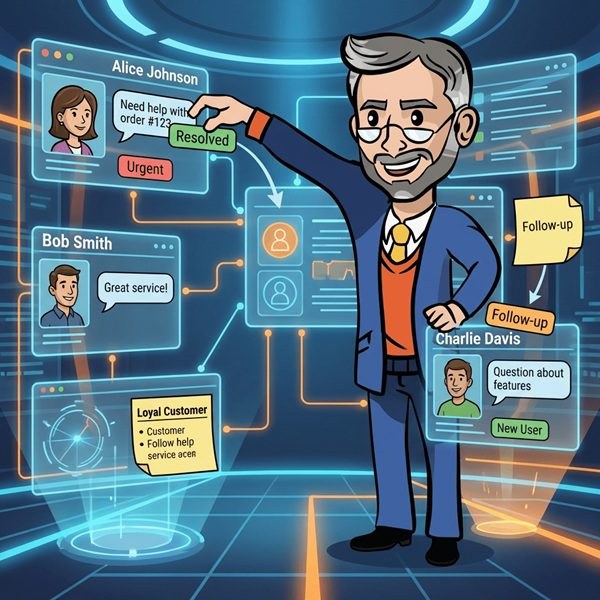
Go beyond price blasts. Send safety checklist downloads, invitations to operator training days, new model launch announcements, and helpful information about regulatory changes. Connecting email and CRM data allows forklift dealerships to see which email campaigns actually generate quotes, site visits, and signed rental or service agreements. This builds lasting customer relationships and drives repeat business.
Industry Events, Trade Shows, and Local Outreach
Industry events like MHEDA conferences, regional material handling shows, and local logistics expos still generate leads, but their role has shifted alongside digital marketing. The dealers who get the most value use events strategically.
Before the show, send targeted email and social media outreach to book meetings. At the event, offer a free fleet audit or schedule demo days. After the show, run a structured follow-up campaign within 48 hours. One dealer turned a regional warehouse expo into a steady pipeline of rentals by booking on-site demos within two weeks of the event.
Local outreach pairs well with industry events: sponsor warehouse safety days, host “try-a-forklift” demos for small businesses, or run local seminars on OSHA updates. Referral programs incentivize existing clients to refer new customers, and listing inventory on equipment marketplaces increases exposure beyond your immediate customer base.
Track event-generated leads in the same CRM as website and PPC leads so you can compare cost per lead and close rates across channels.
Measuring Results: Marketing Benchmarks for Forklift Dealers
Forklift dealer owners and sales leaders should treat marketing as a revenue investment. Tracking leads to revenue provides insights into marketing effectiveness. Tracking revenue from marketing campaigns links performance to profitability.
Key metrics to monitor:
| Metric | What to Track |
|---|---|
| Organic traffic | Growth on “forklift dealers” keywords and service area pages |
| Website conversion rate | 1.9% is the heavy equipment benchmark for cold traffic |
| Cost per qualified lead | By channel: PPC, organic, email, events |
| Email open and click rates | By segment and campaign type |
| Qualified opportunities per month | By channel and buyer segment |
| Win rate | Website leads vs. trade show leads vs. referrals |
Set quarterly targets and review them with sales and service leaders. This rhythm helps forklift dealerships refine their marketing strategy and reallocate budget toward what actually generates leads and closes deals.
Why Choose Our Equipment Marketing Team for Your Forklift Dealership
Pro Equipment Marketing is a marketing agency built for the material handling industry and equipment dealers. We understand the long sales cycles, OEM-dealer dynamics, and seasonal patterns that define forklift dealership marketing.
Our team has helped forklift dealers increase leads by 600% in three years. We run Section 179 campaigns, model-year clearance promotions, and year-round digital marketing programs tied to pipeline and closed deals. Core services include lead-generating website redesigns, industrial search engine optimization, Google Ads management, email marketing, content creation, and CRM setup aligned to how your sales reps and service team actually work.
We report on what matters: qualified leads, pipeline value, and revenue. Every engagement includes regular calls with owners and sales leaders, practical recommendations that account for technician capacity and inventory realities, and ongoing optimization to keep your dealership ahead in a competitive market.
Next Steps: Turn Your Forklift Dealer Marketing into Measurable Revenue
Sustainable growth for forklift dealerships depends on a balanced approach: a strong website, local SEO, targeted PPC, content that builds trust, email nurturing, and smart use of industry events. No single tactic works alone.
Audit your current forklift dealer marketing efforts. Identify which channels generate your best leads, where potential customers fall through the cracks, and whether you are capturing enough repeat business on forklift service and rentals. Even a short initial engagement can uncover quick wins; fixing weak calls to action on top-traffic pages or launching a focused email sequence for service contracts can start driving results within 60 to 90 days.
Request a consultation with our team. Share your current challenges, and we will build a tailored marketing roadmap aligned to your territory, brands, and revenue goals. Better forklift dealer marketing is a competitive advantage for the next three to five years, and the best time to start is now.
Frequently Asked Questions About Forklift Dealer Marketing
How much should a forklift dealer spend on marketing in 2026?
Most forklift dealerships allocate 3% to 7% of gross revenue to marketing. The exact figure depends on your growth goals, how competitive your market is, and whether you are launching new locations or brands. Start with a budget that covers website, SEO, and one paid channel, then expand based on measured cost per lead.
What is the fastest way for a forklift dealership to generate more leads?
PPC campaigns on Google Ads can produce leads within the first week. Target high-intent keywords like “forklift dealer near me” and pair them with strong landing pages. SEO and content marketing build compounding value but take longer to ramp.
How do I know if my forklift website is actually working?
Track three numbers: monthly unique visitors, conversion rate on quote and contact forms, and the number of qualified leads your sales team receives from the site each month. If your conversion rate is below 1.9%, your site likely needs better calls to action or page speed improvements.
Is digital marketing or trade shows more important for forklift dealers?
Both serve different purposes. Digital marketing solutions generate consistent, measurable lead flow. Trade shows build face-to-face trust and are valuable for launching new forklift models or entering new territories. The strongest dealers connect both channels in one CRM so they can compare ROI.
Can smaller, single-location forklift dealerships compete online with big national brands?
Yes. Local SEO and a focused service area strategy give single-location dealers an advantage in their market. A well-optimized Google Business Profile, strong reviews, and location-specific content can outrank national brands for searches like “forklift service in [your city].”
How long does it take to see results from SEO for forklift dealerships?
Expect 6 to 12 months for strong organic results. Some dealers see early movement in 3 to 4 months on less competitive terms. SEO compounds over time and, unlike PPC, continues to deliver traffic without ongoing ad spend.