

This article covers practical marketing tactics, global waste equipment market insights, and regional strategies across North America, Europe, Asia Pacific, South America, and the Middle East.
Table of Contents
Introduction: Turning Waste Equipment into a Predictable Revenue Engine
Waste Equipment Market Snapshot: Key Numbers Every Marketer Must Know
Understanding Your Buyers in Waste Management and Waste Collection
Positioning and Differentiation in a Crowded Competitive Landscape
Core Digital Foundation: Website and SEO for Waste Equipment
Local and Regional SEO: From North America to the Middle East
Content Strategy: From Technical Guides to Case Studies
Account-Based and Outbound Marketing for High-Value Waste Equipment Deals
Offline and Field Marketing: Trade Shows, Site Visits, and Demonstrations
Region-Specific Strategies: Asia Pacific, Middle East, South America, and Beyond
Aligning Marketing with Product Type, Application, and Technology Segments
Measuring Performance: From Leads to Closed Waste Equipment Projects
Common Mistakes to Avoid in Waste Equipment Marketing
Why Choose a Specialized Equipment Marketing Partner for Waste Equipment
Next Steps: Turning Strategy into Qualified Waste Equipment Opportunities
Frequently Asked Questions About Waste Equipment Marketing
Introduction: Turning Waste Equipment into a Predictable Revenue Engine
Marketing waste management equipment requires more than general brand awareness. A specialized equipment marketing strategy helps OEMs, dealers, and integrators generate qualified opportunities and closed revenue for compactors, balers, shredders, sorting equipment, and automated waste collection systems. It is a structured approach that connects the right equipment to the right buyer at the right time in a sales cycle that often stretches 12 to 36 months.
Rapid change across waste management is making this discipline essential during the 2026–2033 forecast period. AI-enabled sorting, electric collection fleets, tightening recycling mandates, and growing equipment demand from municipalities and private operators all create urgency, while better automation and digital systems are raising operational efficiency across waste operations. If you rely on trade shows and referrals alone, you are leaving pipeline on the table.
This guide gives you concrete digital and offline tactics, region-specific approaches for North America, Europe, Asia Pacific, South America, and the Middle East, and a framework for aligning marketing with product type, application, and technology trends across collection, transportation, processing, and recovery. Whether you sell a single line of compactors or a full suite of MRF systems, the playbook ahead will help you build a revenue engine that compounds over time.

Waste Equipment Market Snapshot: Key Numbers Every Marketer Must Know
The global waste management equipment market was valued at USD 10.16 billion in 2025. It is projected to grow at a CAGR of 4.7% from 2026 to 2033 and reach USD 25.64 billion by 2031. These numbers matter because the market report sets the ceiling for your revenue ambitions and helps determine where continuous investment in marketing will generate the highest return. North America holds the largest market share, while Asia-Pacific is expected to post the highest market share growth.
Major equipment categories that define this market include:
- Compactors (account for 40% of waste equipment market share)
- Balers (capture 35% of market share)
- Shredders (represent 25% of market share)
- Sorting equipment (waste recycling and sorting equipment held 67.8% of market share in 2025, the leading segment)
- Automated waste collection systems (lead with 60% market share in technology and account for 60% of market revenue)
- AI-powered sorting systems (account for 40% of waste management technology)
Marketing and sales planning must align with CAPEX cycles. Municipal tenders, private MRF upgrades, and waste collection fleet replacements all follow multi-year planning. Your campaigns need to reach buyers months or years before procurement windows open, not after the RFP has already gone out.
Automation, AI, and sustainability targets are directly increasing demand for advanced waste equipment worldwide. AI-enabled sorting systems improve material recovery efficiency by over 30%. Automated sorting adoption is expected to increase by 28% by 2028. Hyperspectral sorters can recognize over 15 polymer types at high speeds. Electric waste collection vehicles represent over 18% of new municipal procurements. Higher recycling rates, landfill diversion targets, and carbon reduction goals are all fueling this growth.
Understanding Your Buyers in Waste Management and Waste Collection
Primary decision-makers in waste operations vary by segment:
- Municipal solid waste directors oversee collection, recycling, and enforcement. They care about regulatory compliance, budget cycles, and public diversion goals.
- Private hauler COOs focus on throughput, cost per ton, downtime, and scalability of operations.
- Recycling facility managers at MRFs prioritize sorting purity, contamination rates, and integration of automation upgrades.
- Environmental services VPs and industrial EHS leaders need compliance, safety features, hazardous waste handling capabilities, and reliable disposal options.
- Procurement and finance leaders evaluate upfront cost, financing options, grant eligibility, and total cost of ownership across the equipment lifecycle.
Typical buying triggers include new landfill bans, contamination fines, labor shortages in sorting, safety incidents in waste collection, or expansion into new service areas. Waste management contracts often last several years, affecting marketing strategies because you need to time your outreach to contract renewal windows.
Equipment buyers focus on ROI and total cost of ownership. Buying criteria shift by product type. For compactors, the conversation centers on compaction ratio, energy consumption, and maintenance intervals. For sorting equipment, buyers care about purity rates, throughput, and mis-sort reduction. For transfer stations, it is about capacity, transportation efficiency, and compliance. Showing measurable business problems can shift the focus from selling equipment to solving issues that improve operational efficiency.
We recommend creating three to five detailed buyer personas specifically for waste equipment. Examples include “Municipal Recycling Director in North America” or “Private MRF Owner in Asia Pacific.” Use these personas to shape offers, messaging, and content topics across every campaign.
Positioning and Differentiation in a Crowded Competitive Landscape
Market competition in waste equipment is intense. Global OEMs like Tomra Systems and CP Manufacturing compete alongside regional manufacturers, niche technology providers, and system integrators. Competitive rivalry means your marketing must communicate clear, provable differences rather than generic claims.
Here are six concrete differentiation levers marketers can use beyond price:
- Lifecycle cost of ownership – total cost over 10+ years including energy, maintenance, and parts
- Uptime guarantees and response time – hours to dispatch a technician, parts availability
- Modularity – ability to expand or reconfigure as waste streams change
- Safety record – documented incident reduction, operator protection features
- Local service coverage – regional depots, trained technicians, language capabilities
- Sustainability outcomes – contamination reduction, diversion improvements, carbon offset data
Use customer data to prove differentiation. Reduced contamination rates, lower labor hours per ton, extended container life, and documented payback periods are far more persuasive than calling your product the highest quality equipment in a brochure. Content around ROI and operational efficiency is more effective than product specifications alone. Safety and compliance details build trust in waste equipment marketing.
Build a one-page positioning map that contrasts your brand versus competitors along axes like automation level, sustainability impact, and support depth. Use this map to guide all campaigns and ensure every touchpoint reinforces your differentiation.
Core Digital Foundation: Website and SEO for Waste Equipment
Your website should function as your main sales engineer: fast, technically detailed, and optimized for leads from waste management professionals. SEO is critical for capturing high-intent waste management search queries. Optimizing for specific industrial keywords leads to high conversion rates because buyers searching for “sorting equipment” or “automated waste collection” are already deep in their evaluation.

Key website elements include:
- Clear product type navigation (compactors, balers, sorting equipment, automated collection, fleet technology)
- Industry pages for municipal, industrial, and commercial applications
- Regional pages for North America, Europe, Asia Pacific, the Middle East, and South America
- Downloadable spec sheets, ROI calculators, and application guides
SEO priorities should center on keyword research focused on terms like “waste equipment,” “waste management equipment market,” “sorting equipment,” and “automated waste collection,” plus geo-modified keywords by country and city. Technical SEO basics matter for equipment sites: fast page loads, mobile-friendly spec sheets, structured data for products and FAQs, and schema for local business listings. Optimizing Google Business Profile improves local search rankings and makes your facilities easier for nearby customers to find.
Local and Regional SEO: From North America to the Middle East
Regional intent matters. Buyers in North America, Europe, Asia Pacific, the Middle East, and South America search differently, face different regulatory drivers, and use different terminology for the same equipment. Localized SEO and geotargeted campaigns enhance visibility for waste services across all of these markets.
Create localized service and solution pages. Examples include “Waste Sorting Equipment in North America,” “Automated Collection Systems in Asia Pacific,” and “Landfill Compactors for Middle East Municipalities.” Local SEO pages increased commercial contracts by 30% in documented case studies from equipment providers who invested in this approach.
For dealers and local partners, build individual location pages with embedded maps, locally focused case studies, and consistent NAP data across directories. This makes it easier for municipalities and businesses searching for equipment providers in their area to find and trust you.
Pay attention to language and terminology differences. In the U.S., buyers search for “waste compactors” and “curbside collection equipment.” In the U.K. and EU, the terms shift to “waste sorting plant,” “materials recovery facility,” or “bulky waste.” Aligning copy with local vocabulary increases conversions because prospects feel the content was written for their specific market.
Content Strategy: From Technical Guides to Case Studies
Build a content calendar tied to buyer questions across the sales cycle. At the problem-awareness stage, cover topics like contamination costs, labor challenges, and regulatory changes. At the solution-comparison stage, compare sorting equipment technologies or compactor configurations. At the decision stage, deliver proof through ROI case studies and reference project data. Educational content can establish authority and connect with potential buyers at every stage.
Concrete content formats that work for waste equipment include:
- Detailed equipment application guides by product type
- “How a MRF upgrade pays back in under two years” breakdowns
- Safety and compliance explainers tied to specific regulations
- Region-specific regulatory primers (e.g., EU recycling mandates, North American landfill bans)
Leverage case studies to demonstrate real-world waste management solutions. Customer case studies build credibility and demonstrate results in waste management when they include real numbers: throughput changes, contamination reduction percentages, maintenance cost savings, operational efficiency gains, and payback timelines. Publishing guides on environmental regulations establishes client trust and positions your brand as an informed partner. Content marketing on environmental compliance and regulations builds authority over time.
Align content clusters with market segmentation: by product type (compactors, shredders, balers), by application (industrial, residential, commercial, construction and demolition that often requires customized equipment), and by technology (AI sorting, automated collection, digital monitoring).
Account-Based and Outbound Marketing for High-Value Waste Equipment Deals
Account-Based Marketing is effective for targeting municipalities and enterprises because the universe of high-value targets is relatively small: major cities, waste management companies, large industrial generators, and leading companies in recycling. Long evaluation cycles mean you need persistence and precision, not volume.
The ABM process for waste equipment:
- Build a named-account list using public RFP databases, permit filings, and industry directories
- Map buying committees across operations, finance, sustainability, and procurement
- Personalize outreach by referencing their current facilities, regulatory context, and known pain points
- Deliver application-specific content that frames the offer around customized equipment for the account’s waste challenges
Targeted campaigns should address specific waste challenges across industries. Customized campaigns can address compliance and sustainability goals for each account. Use channels like targeted LinkedIn campaigns, email sequences with segment-specific content, and direct mail kits that include project ROI examples for automation upgrades or equipment purchases. High-intent paid search captures commercial sector needs effectively when paired with landing pages tailored to each product type.
CRM and marketing automation are essential to track RFP timelines, existing equipment fleets, past bids, and engagement with your content across the forecast period. Using digital marketing strategically can optimize lead generation efforts when every touchpoint is tracked back to pipeline value.
Offline and Field Marketing: Trade Shows, Site Visits, and Demonstrations
In-person tactics still drive trust in waste equipment marketing. Demonstration-based selling suits waste equipment marketing effectively because buyers want to see compactors, sorting equipment, and shredders performing under real conditions. Equipment demonstrations and video content increase interest and trust. Showing equipment in action can accelerate B2B sales decisions.
Trade shows like WasteExpo are critical for waste management marketing. Choose events strategically: national waste management conferences, regional recycling expos in Asia Pacific and Europe, and industry-specific shows for food processing, mining, or construction waste. Trade shows offer an opportunity for potential buyers to inspect equipment and meet your applications engineering team face to face.
Connect offline and online efforts:
- Pre-show outreach sequences targeting attendees with relevant content
- QR codes on booth materials linking to application pages and ROI calculators
- Post-show nurturing with tailored follow-up content based on booth conversations

Capture video and testimonials during site visits and events, then repurpose them into short clips for social media and sales presentations. Branded trucks act as mobile advertisements for waste services and reinforce brand recognition in local markets.
Region-Specific Strategies: Asia Pacific, Middle East, South America, and Beyond
Asia Pacific generated 45.65% of 2025 revenue for waste management equipment, giving it the largest market share, and is the fastest-growing region. Strong growth is driven by urbanization and manufacturing expansion. Marketing here should emphasize modular sorting equipment, automated collection suited to dense cities, and cost-efficiency messaging. Recent developments in government investment across China, India, and Southeast Asia are creating new MRF projects and recycling infrastructure. India’s EPR compliance fees fund municipal MRF upgrades, making regulatory awareness essential for positioning.
The Middle East and Africa will log a 6.48% CAGR through 2031. Government-led waste management tenders, smart city projects, and large waste-to-energy plants define this market. Marketing must highlight compliance, reliability in harsh climates, and local service through strategic partnerships with regional distributors.
South America presents growing municipal investments where financing options and building trust through local distributors matter. Spanish and Portuguese content is essential. Building community relations helps secure steady project pipelines, and creating educational recycling guides builds local trust quickly.
Across all regions, businesses face pressure to comply with environmental laws and reduce landfill waste. Key regulatory drivers to track and communicate:
| Region | Regulation / Policy | Detail |
|---|---|---|
| UK | Landfill tax | Increased to USD 129 per tonne in 2024 |
| EU | Plastic recycling mandate | Requires 65% plastic recycling by 2030 |
| Germany | Packaging Act | Mandates 30% recycled content in PET bottles |
| Global | Basel Convention | 2024 amendment reclassified many devices as hazardous |
| Ontario, Canada | Blue Box rule | Unlocked USD 100 million for recycling equipment |
Marketers should track and communicate these recent developments to show up as informed partners rather than generic equipment vendors. Waste management marketing requires environmental compliance messaging tailored to each region.
Aligning Marketing with Product Type, Application, and Technology Segments
Build campaigns around product type segments with separate messaging tracks:
- Compactors: volume reduction, transportation cost savings, energy efficiency
- Shredders: size reduction for C&D waste, e-waste processing, throughput metrics
- Balers: storage efficiency, transport optimization, bale density
- Sorting equipment: purity rates, AI classification accuracy, labor reduction
- Automated waste collection: smart bins, route optimization, fleet electrification
Tailor messaging by application. Municipal waste management, commercial and industrial waste, construction and demolition, and hazardous or medical waste each carry unique pain points, KPIs, and disposal requirements. Tailoring marketing for industrial parks is crucial for waste services because these facilities have distinct waste compositions, compliance requirements, and demand for customized equipment. Residential and commercial applications demand different segment benefits and messaging.
Technology themes create strong hooks for thought-leadership content: AI vision systems, robotics, digital fleet monitoring, and predictive maintenance. Product innovation in these areas is accelerating, and marketers who lead the conversation will capture attention during the forecast period. Map your current portfolio to these segments, identify white-space opportunities, and plan campaigns that speak directly to each high-value niche.
Measuring Performance: From Leads to Closed Waste Equipment Projects
Key metrics that matter in waste equipment marketing:
- Marketing-sourced opportunities and their dollar value in pipeline
- Average deal cycle length by segment and region
- Proposal win rate versus competitive rivalry benchmarks
- Market revenue by product type, geography, and application
- Content engagement: case study downloads, ROI calculator usage, spec sheet requests
Connect website and campaign analytics to CRM data so you can see which channels and content influence actual closed projects, not just page views. Customer retention strategies are key for long-term profitability in waste management, so track renewal and upsell metrics alongside new business.
Build a quarterly report that slices performance by product type (sorting equipment vs. collection vehicles), geography (North America vs. Asia Pacific vs. the Middle East), and application (municipal vs. industrial). Establish regular feedback loops with sales and applications engineering to refine messaging based on RFP questions, lost-deal reasons, and competitive pressure.
Common Mistakes to Avoid in Waste Equipment Marketing
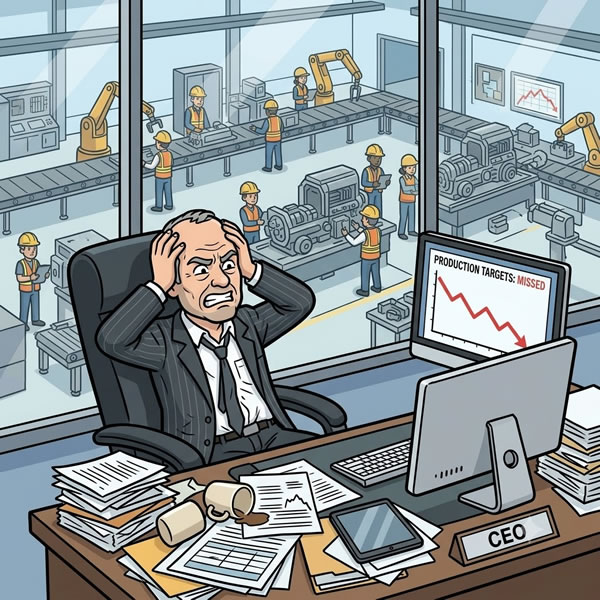
Frequent errors that undermine results:
- Generic messaging that could apply to any industrial product instead of speaking to waste-specific pain points
- Ignoring local regulatory drivers and waste composition differences
- Under-investing in content depth and relying on thin product pages
- Treating marketing as occasional campaigns instead of a continuous process
- Overemphasis on trade shows with no digital follow-through
- Vague ROI claims not backed by field data from real deployments
Waste management marketing needs hyper-local community trust messaging. Effective marketing eliminates waste in the funnel and focuses on customer problems, not product features. Positive online reviews influence consumer choices significantly, yet many equipment providers neglect review management entirely. Seasonal cleanup campaigns increase bookings and brand awareness when timed to municipal budget cycles.
Do not neglect smaller but fast-growing regions like South America or specific niches like hazardous-waste equipment where competition may be weaker and the future outlook is strong.
Do this instead:
- Build proof-rich case studies with field data from customers
- Localize messaging for each target region and regulatory environment
- Centralize contact data in a CRM with deal-stage tracking
- Invest in ongoing SEO and content around waste equipment and related terms
Why Choose a Specialized Equipment Marketing Partner for Waste Equipment
Working with a partner that understands waste management, waste collection, sorting equipment, and industrial buying processes leads to faster, more predictable results than working with a generalist agency. A specialized partner brings familiarity with municipal RFP cycles, experience producing technical content for engineers and facility managers, and fluency in industrial SEO for waste equipment and related queries.
Capabilities that matter in this space include tying campaigns to multi-stakeholder sales funnels, tracking opportunities by region and product type, and aligning messaging with safety, compliance, and sustainability outcomes. A focused partner can bridge data gaps between marketing, sales, and operations so leaders see which efforts actually drive booked waste equipment projects over the forecast period.
Next Steps: Turning Strategy into Qualified Waste Equipment Opportunities
Effective waste equipment marketing joins market data, regional nuance, and disciplined execution to create a durable competitive advantage. The waste management equipment market is growing, technology is advancing, and buyers are searching for equipment providers who understand their specific challenges.
Here are your concrete next actions:
- Audit your current web and content presence against the standards outlined above
- Map key regions-North America, Asia Pacific, the Middle East, South America-and prioritize based on your growth goals
- Define buyer personas for your top three to five customer segments
- Prioritize two to three high-value product type segments for focused campaigns
- Set up basic measurement in your CRM connecting marketing activity to pipeline and revenue
If you are ready to move from sporadic marketing to a system that generates qualified waste equipment opportunities, request a consultation or pipeline audit focused on your specific growth goals. The market is expanding, the competitive landscape is tightening, and the companies that invest now in disciplined, data-driven marketing will capture the largest share of growth over the next seven years.
Frequently Asked Questions About Waste Equipment Marketing
These FAQs answer common questions from both equipment buyers and marketing leaders in the waste management industry.
How is marketing waste equipment different from other industrial products?
Waste equipment marketing combines public procurement processes, regulatory oversight, and long asset lifecycles that make it more complex than most manufacturing sectors. Municipalities require formal RFPs, public bidding, and multi-stakeholder approvals. Marketing for waste management companies requires B2B industrial strategy that weaves compliance, safety, and environmental outcomes into every message. Highlighting safety practices reassures clients about service reliability in ways that matter more here than in many other equipment categories.
What channels work best to reach waste management decision-makers?
Proven channels include specialized SEO targeting high-intent keywords, industry directories, targeted LinkedIn outreach, sector newsletters, and attendance at waste management and recycling conferences. Cold calling alone is weak without supporting content that explains technical differentiation and total cost of ownership. Using a mix of digital and offline channels builds the trust that leading companies in this space require before making equipment purchases.
How can I market new sorting equipment or AI technology to conservative buyers?
Focus on risk reduction and ROI. Recommend pilot programs, side-by-side performance data, and phased upgrades rather than full greenfield transformations. Use case studies from similar facilities showing throughput gains, contamination reduction, and labor savings to demonstrate reliability. Conservative buyers respond to evidence from operations they can relate to, not abstract technology promises.
How important is regional localization for waste equipment marketing?
Regulations, waste composition, labor costs, and infrastructure differ heavily between North America, Europe, Asia Pacific, the Middle East, and South America. Local language content, region-specific reference projects, and messages tailored to local policies like landfill taxes or recycling mandates are essential. Without localization, you look like a generic vendor rather than a knowledgeable partner.
What budget should we allocate to waste equipment marketing?
A practical range is mid-single-digit percentages of revenue for mature firms, scaling higher for aggressive growth or expansion into new regions. Prioritize foundational investments first: website rebuild, SEO, core content, and CRM. Expand into paid campaigns and large-scale ABM after those foundations are generating consistent inbound leads and measurable pipeline.
How long does it take to see results from a new waste equipment marketing strategy?
Expect three to six months for early leading indicators like increased traffic, qualified inquiries, and early-stage opportunities. Consistent closed-deal impact typically takes 9 to 18 months given the long sales cycles in this industry. The key is continuous adjustment based on data, market developments, and internal feedback from sales and applications teams.