Table of Contents
Introduction: Why Lead Generation Matters for Recycling Equipment Sellers in 2026
Understanding the Recycling Equipment Buyer: Who the Real Decision Makers Are
Clarifying Your Ideal Customer Profile for Recycling Equipment
Building a Lead-Generation-Ready Digital Presence for Recycling Companies
Proven Digital Channels to Generate Leads in the Waste Management Industry
Outbound Prospecting and Account-Based Strategies for Equipment Dealers
Re-Engaging and “Recycling” Old Leads in Long Sales Cycles
Measuring Lead Quality and Connecting Marketing to Revenue
Common Lead Generation Mistakes Recycling Equipment Sellers Should Avoid
Why Choose a Specialist Partner for Recycling Equipment Lead Generation
Next Steps: Turn Your Recycling Equipment Lead Generation into a Predictable System
FAQs: Recycling Equipment Lead Generation
Introduction: Why Lead Generation Matters for Recycling Equipment Sellers in 2026
Demand for recycling equipment is surging. The U.S. EPA estimates that between $36.5 and $43.4 billion in investment is needed by 2030 to modernize recycling infrastructure, while the EU’s Circular Economy Act is creating policy-driven demand for secondary material processing across Europe. Yet many recycling companies, waste equipment dealers, and system integrators still rely on trade shows, referrals, and reactive sales to fill their pipelines. That approach worked when competitors were fewer, but today’s market is far more crowded. It doesn’t scale anymore.
This article is specifically about lead generation for recycling equipment—built for manufacturers, dealers, and integrators who sell to MRFs, scrap yards, municipal programs, and industrial waste generators. The goal isn’t “more contacts.” It’s generating quality leads from the decision makers who actually sign purchase orders: plant managers, maintenance directors, operations leads, procurement teams, and engineers. Buyers in the recycling equipment sector usually have long sales cycles and make high-value capital purchases, and research shows B2B buyers spend up to 90% of their journey educating themselves before ever talking to sales. If you aren’t visible during that research phase, effective lead generation becomes much harder before the conversation starts.

Below, you’ll find a practical framework that reflects the importance of a structured approach to lead generation, covering your ideal customer profile, digital presence, inbound and outbound channels, lead re-engagement, measurement, common mistakes, and how a specialist marketing partner can accelerate results.
Understanding the Recycling Equipment Buyer: Who the Real Decision Makers Are
Typical buyers in the waste management industry include material recovery facilities, plastics recovery facilities, C&D recyclers, organics and compost operations, e-waste dismantlers, waste-to-energy operators, transfer stations, scrap yards, municipal solid waste programs, and large industrial generators like manufacturers and food processors.
The buying committee for a major equipment purchase rarely involves one person. You’re usually talking to a plant or facility manager responsible for throughput and uptime, a maintenance manager focused on reliability and parts, an operations director thinking about labor and efficiency, an environmental or compliance manager worried about regulations and contamination, and a procurement manager handling RFQs, lead times, and contracts. Finance and capital budget authorities get involved above certain dollar thresholds.
How fast these buyers move depends on their structure. Private recyclers with approved capital can move in weeks once they’ve chosen a vendor. Publicly traded waste companies require corporate oversight, standardization, and multi-layered capital expenditure reviews. Municipal programs introduce RFP and tender processes, fiscal year budget constraints, and sometimes public hearings or grant requirements—pushing decision cycles to 12–18 months. In both municipal and enterprise purchases, the decision making process often includes technical review, budget approval, legal or procurement checks, and final stakeholder sign-off before a vendor moves forward.
In 2026, these decision makers are trying to solve specific problems: meeting landfill diversion targets, managing labor shortages, reducing downtime and maintenance costs, lowering contamination rates, staying ahead of safety compliance, and reporting against ESG frameworks. A Harvard Business Review study found 75% of B2B buyers choose the first company that adds value-so the sellers who connect their equipment to these real operational problems at the right point in the buyer journey early win the deal. Meanwhile, 70% of B2B buyers use mobile devices in their buying process, which means your site, content, and outreach must work on any screen.
Clarifying Your Ideal Customer Profile for Recycling Equipment
Equipment dealers and manufacturers waste enormous time when they try to generate leads from “any recycler.” Without a tight ideal customer profile, your sales team chases prospects who lack the right material streams, throughput, budget, or geography, and your marketing campaigns become unfocused noise. Generating leads in the recycling equipment industry requires technical credibility and targeted outreach, and both start with clarity on who you’re targeting.
Define your ICP across these dimensions: material streams (metals, plastics, paper, e-waste, C&D, organics, batteries), facility type (MRF, transfer station, scrap yard, PRF, compost facility), throughput in tons per hour or year, geography (states, regions, or countries with favorable grants or regulations), fleet size and existing equipment brands, and typical project values.
For example, a shredder OEM might focus on metal recyclers in the U.S. Midwest who handle 30,000+ tons per year of mixed metal with aging single-shaft shredders—prospects exploring throughput increases and energy efficiency. A baler dealer might target municipal single-stream MRFs with manual sorting operations that are exploring automation to reduce labor costs. Building strong distributor networks can also increase market reach for recycling equipment manufacturers, but the network must be aligned to the same ICP.
To build your ICP, pull data on your top 50 revenue clients from 2021–2025 and analyze what they share: facility type, material streams, geography, project values, equipment purchased. Your CRM and service records reveal which customers became repeat buyers and referral sources. Align marketing and sales on one clear ICP per core product line—balers, sorting lines, compactors—so targeted campaigns and outreach stay focused rather than diluted, especially when some companies specialize by product line or segment.
Building a Lead-Generation-Ready Digital Presence for Recycling Companies
In 2026, serious recycling equipment buyers research online long before talking to your sales team. If your website reads like a static brochure, you’re invisible during the critical phase when prospects narrow their supplier shortlist, instead of optimizing the site for buyers during research. Effective website optimization improves user experience and navigation speed, directly affecting whether visitors stay, engage, or bounce.
Your site needs fast load times, mobile responsiveness, clear navigation broken out by equipment type and material stream, and obvious calls to action on every key page—”Request a Quote,” “Talk to an Engineer,” “Download Spec Sheet.” Every product category deserves a dedicated high-intent page. Think “Two-Ram Balers for Municipal MRFs” or “Single-Shaft Shredders for E-Waste Processing,” each with technical specs (throughput range, footprint, power draw, cycle time), application examples, case studies, and support services such as installation or maintenance.
Lead capture forms should appear on product pages, case studies, application guides, and ROI calculators. Ask for just enough to qualify—name, company, facility type, material streams, project timeline—without creating friction. SEO strategies should focus on high-intent keywords relevant to recycling equipment inquiries, such as “paper recycling equipment supplier,” “C&D recycling system integrator,” “plastics granulator for PET recycling,” and regional searches like “recycling equipment dealer in Texas.” SEO helps recycling companies rank higher on Google and ensures your website attracts recycling business customers who are actively searching for solutions.
Content marketing focused on technical specifications is vital in the recycling industry. Add application notes, spec comparison guides, maintenance checklists, and ROI models to help earlier-stage visitors convert into leads over time. Recycling equipment buyers prefer detailed ROI-focused content that demonstrates operational improvements. One industry case study showed effective SEO can quadruple leads for recycling companies in nine months—proving that a well-optimized site pays for itself many times over.
Proven Digital Channels to Generate Leads in the Waste Management Industry
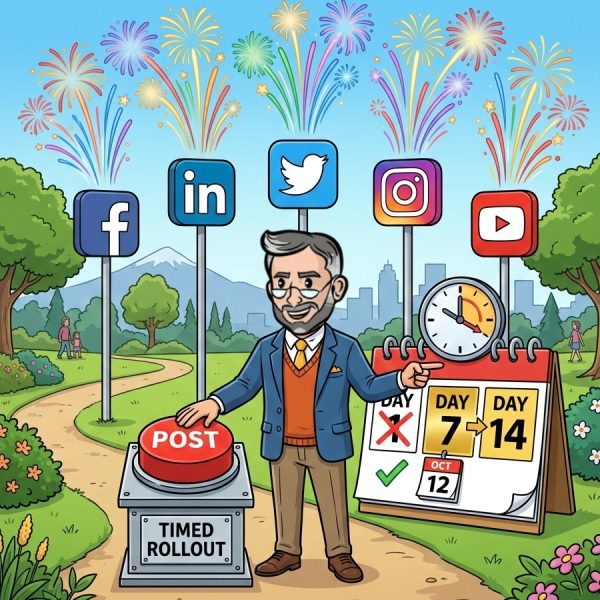
Leading recycling companies and equipment dealers rarely rely on a single channel, because long-term success depends on building steady visibility and relationships, not just lead volume. They combine search, social, email, and industry platforms to generate leads consistently.
Search advertising lets you capture bottom-of-funnel demand with keywords like “buy recycling baler 2026,” “MRF equipment upgrade cost,” or “used recycling sorter dealer.” Focus budgets on high-intent phrases rather than broad, generic terms. Track cost per qualified lead—not just cost per click—and adjust bids by keyword and geography.
LinkedIn is powerful for reaching plant managers, maintenance managers, and operations directors at specific waste management and recycling companies. Use job-title and industry filters to build targeted campaigns with messaging about uptime, safety, and throughput. Research shows 84% of CEOs are influenced by social media in buying decisions, making platforms like LinkedIn and even Facebook essential for reaching senior leadership. Video marketing is highly effective in showcasing recycling equipment capabilities—short videos of equipment in operation outperform static ads consistently.
Niche industry platforms, associations, and trade media reach highly relevant audiences. For example, RecyclingInside reaches over 56,000 monthly visitors. Directory listings, sponsored content, and association member portals in organizations like SWANA and ISRI place your company in front of qualified prospects actively researching suppliers. Industry partnerships enhance lead generation within the recycling equipment market by providing credibility and access.
Email marketing and newsletters remain critical. A quality email list improves campaign performance and customer engagement, and 77% of email marketing ROI comes from segmented and targeted campaigns. Build segmented lists for metals recyclers, C&D firms, or municipal buyers. Send monthly updates with case studies, retrofit ideas, technology developments, and funding opportunities. Each email should offer a clear, targeted message and a path to book a project review or equipment audit, while newsletters can also share practical maintenance or funding tips. Content that highlights energy savings—for instance, energy savings from recycled metals can reach 92 percent for aluminum—gives prospects valuable resources they can use internally to justify purchases.
Integrate retargeting ads so visitors who read case studies or spec pages see follow-up messages offering project consultations, financing options, or demo invitations based on where they are in the sales funnel.
Outbound Prospecting and Account-Based Strategies for Equipment Dealers
In capital equipment sales, inbound alone is rarely enough to fill a pipeline. Structured outbound programs aimed at named recycling companies are essential to reach specific decision makers who may not be actively searching yet. Account-based marketing is effective in targeting high-value commercial and municipal accounts for recycling equipment, and it turns your sales process from reactive to proactive.
Start by building a named account list of high-value recyclers, regional waste haulers, and municipal programs. Highly targeted account lists should be built using an account-based marketing approach: apply your ICP filters—material stream, throughput, geography, budget indicators—and map specific people at each account (plant manager, maintenance manager, environmental manager, procurement). Use permit filings, grant announcements, press coverage, and expansion news from 2022–2026 to personalize outreach with relevant context.
A practical outbound sequence runs over 3–5 weeks mixing email, LinkedIn messages, and phone calls. Each touch should focus on a real operational benefit: reducing downtime, improving bale density, meeting contamination targets. Avoid the generic sales pitch. Instead, offer a “no-pressure application review” or “line performance assessment”—technical conversations that match what these prospects value. Personalized email campaigns enhance follow-up effectiveness after trade events and outbound alike. AI-assisted prospecting tools and CRMs keep outbound efforts consistent and track which messages and verticals generate the best responses.
Re-Engaging and “Recycling” Old Leads in Long Sales Cycles
Lead recycling re-engages old leads for potential sales, and in an industry where the full buyer journey often stretches to 12.5 months, it’s one of the highest-ROI activities your team can pursue. Lead recycling can limit the chances of leads slipping away entirely.
Segment past leads from your CRM into categories: “no budget,” “project delayed,” “chose competitor,” and “no response.” Each segment needs a different re-engagement approach. A prospect who delayed due to budget constraints might respond to new financing options. One who chose a competitor might be open to a conversation after experiencing service issues. Lead nurturing systems are essential due to the long buying cycles in the recycling equipment market.
Specific re-engagement triggers include updated case studies from 2024–2026, new performance data, regulatory changes that reignite urgency, safety upgrades, and grant or funding program openings. Use email campaigns and one-to-one outreach. Personalization is crucial for re-engaging cold leads, especially when earlier conversations surfaced objections or feedback that can shape a more relevant follow-up—try messages like: “We helped a Midwest MRF cut downtime by 22% since we last spoke—worth a quick update?” In nine months, one recycling client quadrupled their leads through a combination of re-engagement and inbound improvements. Re-engaging warm but dormant leads is cheaper and faster than generating leads from completely new contacts, and conversions do not happen without a recurring re-engagement process built into every monthly sales and marketing process.
Measuring Lead Quality and Connecting Marketing to Revenue
Counting form fills or email clicks tells you nothing about whether your lead generation strategies are actually working. Recycling equipment sellers must measure lead quality and sales outcomes in terms of pipeline and revenue.
Build a lead scoring framework based on role (decision maker vs. influencer), company fit (facility type, throughput, geography), engagement level (pages viewed, content downloaded, spec sheets requested), and project timing. A plant manager at a midsize PET recycling facility who downloads a spec sheet and requests a quote scores much higher than someone who only visited a blog post.
The metrics that matter most: qualified opportunities opened per month, pipeline value by segment (metals, plastics, C&D, organics), conversion rate from marketing-qualified lead to opportunity, opportunity-to-closed-won rate, average deal cycle length, and cost per qualified opportunity. Case studies showing before and after performance metrics build trust among recycling equipment buyers—and the same principle applies to measuring your own marketing. Use CRMs and marketing automation to track which campaigns, keywords, and channels produced closed deals, not just clicks. Run monthly and quarterly review cycles where sales and marketing jointly evaluate lead sources, refine targeting, and reallocate budget toward activities generating quality leads and real projects.
Common Lead Generation Mistakes Recycling Equipment Sellers Should Avoid
Many recycling companies and equipment dealers struggle not because they lack activity, but because they repeat avoidable mistakes.
- Chasing every inquiry instead of focusing on ICP-qualified prospects. This wastes your sales team’s bandwidth and lowers win rates.
- Relying only on trade shows and word-of-mouth. Trade shows are critical for networking in the recycling equipment sector, and capturing leads from trade shows is crucial, but they’re periodic and expensive. Without year-round digital and outbound efforts, show leads go cold fast.
- Ignoring municipal and regulatory buying cycles. Missing RFP deadlines or fiscal year budget windows means missing entire deal opportunities.
- Sending generic, feature-only marketing messages. Decision makers need outcomes—reduced downtime, higher throughput per labor hour, compliance certainty—not just specs.
- Dropping early-stage engineering or feasibility inquiries. Treating these as “not ready” and abandoning them wastes future pipeline. Put them into structured nurture sequences with technical content and follow up consistently.
- Poor data hygiene. Not logging leads from events, your website, and phone calls into a central CRM, and not tracking source, causes leads to vanish. Define a clear handoff from marketing to sales with follow-up SLAs.
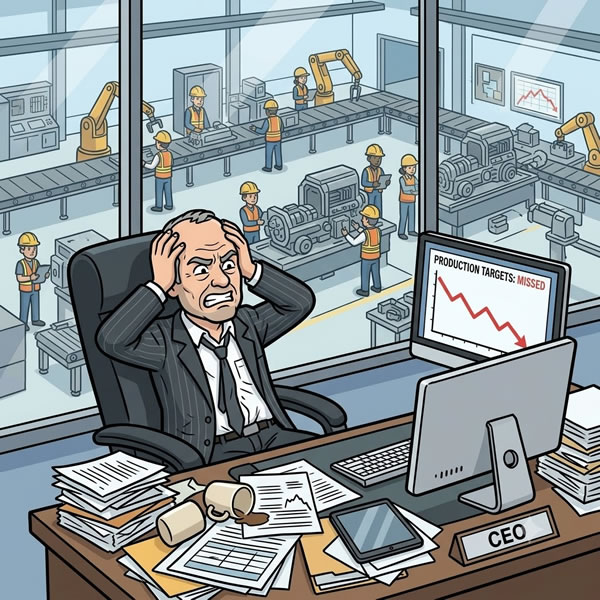
The fix for each: tighten your ICP, diversify channels beyond trade shows, build nurture programs, clean your data, and set up clear qualification criteria.
Why Choose a Specialist Partner for Recycling Equipment Lead Generation
The waste management industry’s technical complexity, long sales cycles, and multi-stakeholder buying committees favor working with a marketing partner experienced in industrial and equipment markets. A specialist understands how to speak credibly with engineers and plant managers, can produce content with real technical depth, and knows how to connect marketing activity directly to pipeline and revenue.
Pro Equipment Marketing specializes in exactly this. From website and landing page development for equipment sellers to SEO, paid media, AI-assisted outbound prospecting, CRM implementation, email marketing, and conversion rate optimization—every service is built around generating qualified leads for capital equipment companies. The team helps align marketing and sales, sets up measurable lead generation programs, and provides analytics and reporting that ties campaigns to closed projects across metals, plastics, paper, C&D, organics, and other recycling segments. The result is reduced internal workload, improved lead quality, and shorter time-to-pipeline for recycling equipment deals.
Next Steps: Turn Your Recycling Equipment Lead Generation into a Predictable System
The recycling equipment companies winning new customers in 2026 share one thing: they’ve moved beyond sporadic, show-dependent lead flow and built systems. Define your ICP. Build a digital presence that captures interest from potential customers during their research process. Combine inbound and outbound to discover prospects across channels. Re-engage dormant leads. Measure what drives revenue, not just what drives clicks.
Pick one or two actions to pursue within the next 30 days. Maybe it’s defining an ICP for your core product line. Maybe it’s rebuilding a key equipment page for conversions. Maybe it’s launching a targeted LinkedIn campaign aimed at plant managers in your top geography. Small, focused steps compound fast.
If you want a clearer plan, request a consultation to audit your current recycling equipment lead generation process. A discovery call with a specialist who understands the waste management industry can identify quick wins and long-term opportunities, so your company stops waiting for the phone to ring and starts building a pipeline you can count on.
FAQs: Recycling Equipment Lead Generation
These FAQs address common questions from recycling companies, equipment dealers, and manufacturers trying to generate leads in the waste management industry.
How long does it typically take to see results from a recycling equipment lead generation program?
Early indicators like increased website inquiries, booked consultations, and engaged email subscribers can appear within 30–90 days. Fully qualified opportunities for large capital projects typically take 3–9 months for private recyclers, and 6–18 months for municipal or public waste authorities due to RFP and budget cycle constraints. Industrial equipment sales cycles average 6–12 months from first visible contact to close.
What channels work best to generate leads for recycling equipment?
A combination of organic search, paid search, LinkedIn, email campaigns, and niche waste management platforms typically works best when directed to strong landing pages with clear CTAs. The best channel depends on your ICP: LinkedIn and outbound prospecting often work well for private metal recyclers, while association media and RFP tracking matter more for municipal solid waste projects.
How can we improve lead quality, not just lead volume?
Tighten targeting around a clear ICP, refine keyword lists to focus on high-intent terms, and use messaging that calls out specific material types, throughput ranges, and facility types. Implement lead scoring and add qualification questions to your forms. Closer collaboration between sales and marketing to define what a “good” recycling equipment lead looks like is the single biggest lever most companies overlook.
Do trade shows still matter for waste and recycling lead generation?
Yes. Trade shows and expos remain important for building relationships, seeing equipment in person, and capturing leads. But they should be integrated into a broader year-round lead generation program. Pre-book meetings with target accounts before events. Follow up immediately afterward with tailored content and outreach so trade show leads don’t go cold.
How often should we follow up with recycling equipment leads before considering them “cold”?
Use a structured sequence of 6–10 touchpoints across email, phone, and LinkedIn over several weeks. If there’s no meaningful engagement after that, classify the lead as cold, but don’t delete it. Move cold leads into a long-term nurturing program with periodic updates, case studies, and check-ins. Three-out-of-four B2B buyers choose the first company that adds value, and that value sometimes happens on touch seven or eight.
What budget should we expect to invest in lead generation for recycling equipment?
Budget typically scales with revenue goals and average deal sizes. Many equipment sellers allocate a consistent percentage of annual revenue to digital and outbound programs. The focus should be on cost per qualified opportunity and return on pipeline, not raw advertising spend. Start with foundation investments—website, SEO, high-intent landing pages—then layer in paid media, outbound, and ABM as data shows which channels perform best.