Table of Contents
Introduction: What “Equipment Franchise Marketing” Really Means in 2026
Core Challenges Equipment Franchise Owners Face Today
Building a Cohesive Digital Marketing Strategy for Equipment Franchises
Search Engine Optimization for Multi-Location Equipment Franchises
Email Marketing & CRM: Turning Leads into Long-Term Equipment Customers
Local & Social Media Marketing for Equipment Franchise Networks
Why Choose Our Agency for Equipment Franchise Marketing
Next Steps: Turn Your Equipment Franchise Marketing into a Revenue Engine
FAQs About Equipment Franchise Marketing
Introduction: What “Equipment Franchise Marketing” Really Means in 2026
Equipment franchise marketing is the coordinated effort to generate qualified demand for sales, rentals, and service across a network of franchise locations selling construction equipment, material handling systems, or industrial machinery. Franchising offers a proven business model for equipment sales, but marketing it effectively has grown far more complex since 2020. B2B buyers conduct extensive online research before purchasing equipment, often comparing specs, financing, and rental options long before contacting a rep.
Whether you run a regional construction equipment franchise with 12 territories or a material handling franchise with both sales and service contracts, the challenge is the same: effective equipment marketing requires a mix of local visibility and brand consistency. This article is written specifically for franchise owners, franchisor marketing leaders, and dealer development teams. You will learn how to use digital marketing, search engine optimization, and email marketing to build predictable demand across every location in your network.
Core Challenges Equipment Franchise Owners Face Today
Franchise networks in the equipment industry deal with a distinct set of obstacles that independent dealers rarely encounter at the same scale.
- Lead volatility. Many franchisees depend heavily on referrals, trade shows, and OEM-sourced leads, creating feast-or-famine pipelines. Referral marketing is critical for equipment franchise success, but it cannot be the only channel. Streamlined lead response times improve customer acquisition in equipment sales, yet without a system, follow-up varies wildly from one location to the next.
- The digital gap. Some franchise locations invest in modern digital marketing while others still rely on print ads and word of mouth. This inconsistency damages brand recognition and leaves revenue on the table in territories that are underperforming.
- Operational complexity. Multiple CRMs, spreadsheets, and tracking methods make it nearly impossible to get a unified view of marketing-sourced opportunities. Without clear data, it is difficult to identify which campaigns or territories are profitable.
- Shifting buyer behavior. Purchasing managers and fleet managers now research construction equipment and financing options online before ever speaking with a sales rep. Mobile traffic accounts for roughly 58% of visits to equipment rental websites, meaning your potential customers are browsing from job sites on their phones.
- Fragmented vs. cohesive networks. A franchise system with shared CRM, centralized campaigns, and local landing pages consistently outperforms one where each owner operates in isolation. Balancing corporate brand standards with local franchise flexibility enhances marketing effectiveness and directly impacts revenue per territory.
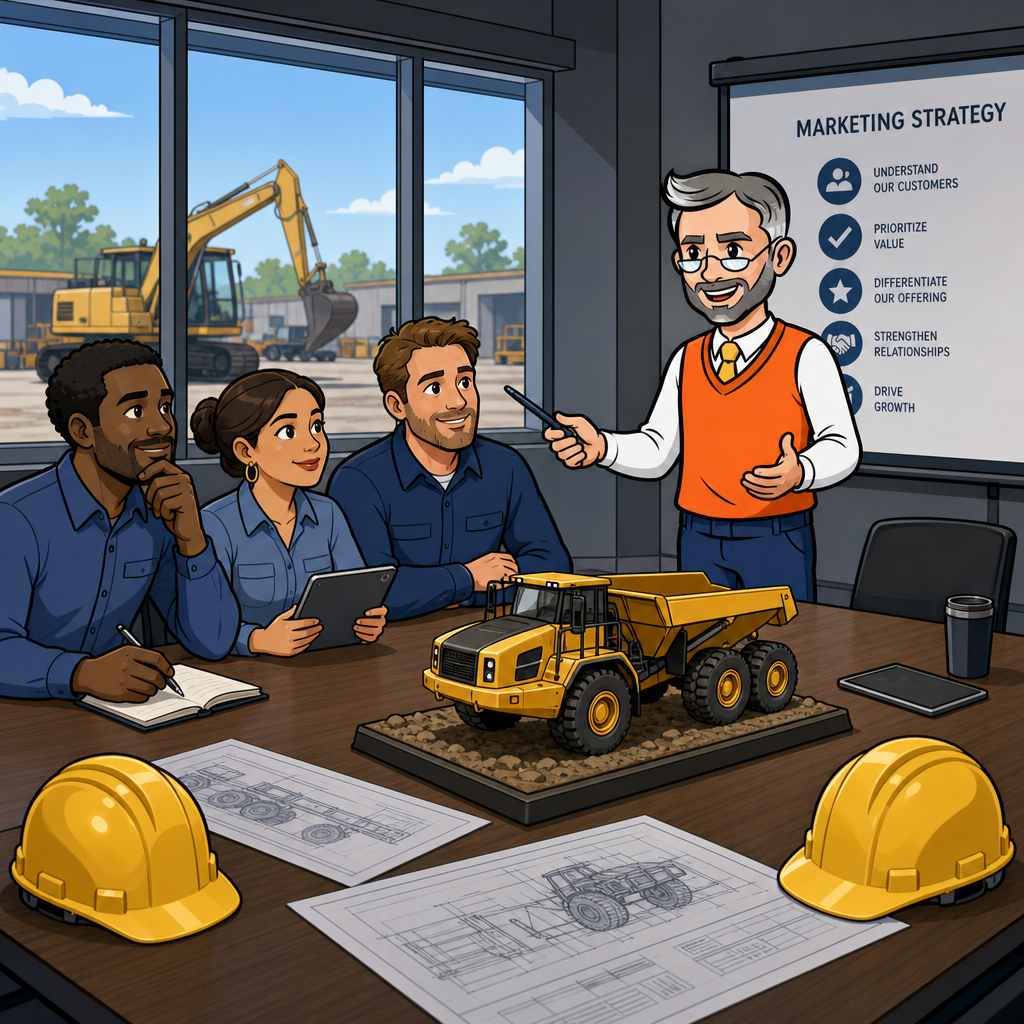
Building a Cohesive Digital Marketing Strategy for Equipment Franchises
Digital marketing is the backbone for consistent lead generation across all franchise locations in 2026, with the goal to achieve profit and revenue growth from those efforts. It helps reach new customers effectively and increases sales more than traditional methods, which is especially important for heavy equipment companies competing against online-only sellers and independent dealers.
- Centralized strategy, local execution. The franchisor should maintain a core website with strong brand messaging. Each franchise location then gets a dedicated landing page or microsite tailored to its territory, products, and services.
- Segment campaigns by service line and vertical. Instead of running one generic “equipment” campaign, structure separate funnels for sales, rentals, maintenance contracts, and parts. Layer in verticals like construction, agriculture, warehousing, or waste and recycling. Create targeted content to showcase expertise in equipment and aid customer decision-making at each stage. This should include content marketing tailored to each audience and offer.
- Core channels that work. Search engine marketing is crucial for heavy equipment companies. Pair search engine optimization with paid search for immediate visibility instead of only paying for placement while organic SEO builds long-term visibility. PPC advertising targets specific demographics effectively, and using landing pages improves conversion rates for PPC ads. Google Ads campaigns should focus on bottom-of-the-funnel search terms like “buy telehandler” or “rent aerial lift.” Add LinkedIn campaigns targeting operations managers and Facebook ads reaching local contractors and small businesses.
- Shared content assets. Develop spec comparison guides, “buy vs rent” calculators, and financing explainer pages that franchise owners can co-brand and promote locally. These assets serve the mid-funnel research phase that today’s buyers expect.
- Revenue attribution. Track which campaigns generate RFQs, demo requests, quote requests, and signed rental or service contracts. Without this, spending time and budget on marketing is guesswork.
Search Engine Optimization for Multi-Location Equipment Franchises
SEO in this context means making sure each franchise location appears when local buyers search queries like “excavator rental near me” or “forklift service in Dallas.” Local SEO helps heavy equipment companies reach nearby customers who are ready to act, including those searching for rentals, service, or repairs.
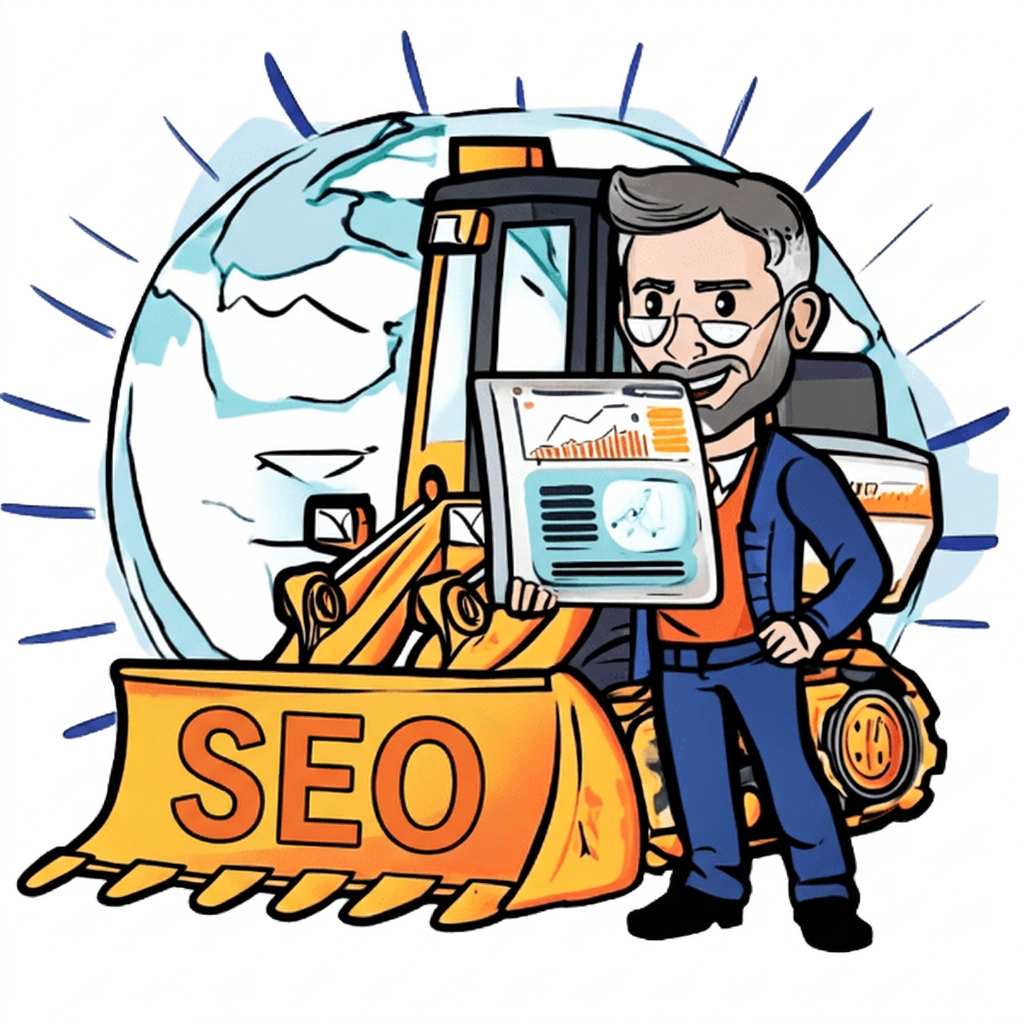
- National vs. local SEO. National SEO builds authority around brand-level and product-line terms. Local search engine optimization targets city-plus-equipment-plus-intent queries. Both matter, but local SEO improves visibility for equipment companies in ways that national alone cannot.
- Location page architecture. Build one dedicated, content-rich landing page per franchise territory with consistent NAP (name, address, phone), embedded map, local testimonials, and clear CTAs. Clear navigation improves customer experience on websites and helps make it easy for visitors to find location details and contact actions while helping search engines understand your structure.
- Google Business Profile optimization. Optimizing business listings increases visibility in local search results. Each location needs correct categories, real photos of machines and service bays, accurate hours, and defined service areas to compete with local businesses across the surrounding market.
- Keyword integration. Target high-intent geo-specific keywords to capture local search traffic. Weave terms like construction equipment, skid steers, warehouse automation, and aerial lifts naturally into copy without forcing awkward phrases.
- Content hubs. A “Construction Equipment Knowledge Center” containing maintenance tips, safety checklists, and “how to choose” guides gives every franchise location shareable, link-worthy content that builds domain authority over time.
- Technical SEO basics. Prioritize fast-loading pages, mobile-friendly design for field managers on smartphones, and clean URL structures like /locations/atlanta-construction-equipment/, then optimize pages and listings continuously rather than treating setup as one-time work.
Email Marketing & CRM: Turning Leads into Long-Term Equipment Customers
Long sales cycles for construction equipment and industrial machinery involve multiple decision-makers, financing steps, and approvals. Email marketing and CRM keep your company top of mind throughout that process. Industry benchmarks show average open rates around 23.5% and customer retention rates near 72%, with top performers exceeding 80%.
- Centralized lead routing. Implement CRM workflows to track customer interactions and automate follow-ups, with the ability to track every interaction and respond consistently across locations. All leads from website forms, phone calls, and trade shows should flow into a central system and get assigned to the correct franchise owner based on territory.
- Email framework. Build welcome sequences for new inquiries, follow-up sequences for open quotes, and post-sale sequences that nurture service and parts revenue. Regular email newsletters help maintain customer relationships and inform about new offerings.
- High-value email content. Maintenance reminders for rented excavators, pre-season checklists for snow-removal equipment, and “how to reduce downtime” tips for material handling fleets all give recipients a reason to open. Publishing customer success stories builds trust with potential equipment buyers.
- Segmentation. Utilize automated email campaigns for customer retention and follow-ups after rentals. Create different email streams for buyers of used equipment, rental-only customers, and service contract prospects rather than sending one generic newsletter blast.
- Brand consistency with local flexibility. Centralized templates and brand standards can be shared with franchise owners while still allowing customization of local contact info and seasonal offers. Franchise locations can offer local service promotions or seasonal outreach while still using central templates.
- Revenue tracking. Measure email-sourced opportunities, quote acceptance rates, and contract renewals to prove ROI and continuously improve campaigns.
Local & Social Media Marketing for Equipment Franchise Networks
Local and social media marketing bridge the gap between digital visibility and the in-person relationships that matter most for high-ticket equipment purchases. Local promotions and events foster face-to-face relationships beneficial for high-ticket sales.
- Coordinated local campaigns. Franchise owners host open house demo days, safety training breakfasts, or new model walk-throughs and promote them via local landing pages and social posts. Franchisees benefit from established customer bases and support from the franchisor to amplify these events. This also helps each location stand out from local competition.
- Platform selection. Social media marketing helps reach targeted audiences effectively. LinkedIn works for project managers and buyers. Facebook reaches local contractors and small businesses. YouTube and short-form video platforms are ideal for equipment walk-arounds. Social media advertising targets specific audiences effectively through each of these channels. These platforms also blur the lines between personal and business interactions for local owners and sales teams.
- Content ideas. Creating engaging content on social media boosts brand visibility. Social media allows businesses to showcase equipment in action. Post short clips of construction equipment on authorized jobsites, before-and-after productivity stories, tech tips from field service employees, and customer spotlights. Video marketing increases engagement and demonstrates equipment use scenarios in ways that static images cannot.
- Paid social advertising. Social media advertising can increase customer engagement significantly. Run targeted ads by geography, job title, and industry interests, driving traffic to location-specific pages or quote forms. Strong branding helps franchisees attract new customers through these campaigns.
- Reviews and reputation. Encourage satisfied clients to review each franchise location on Google. Respond promptly to issues. Maintaining ratings above 4.4 stars across locations builds trust with potential customers evaluating your network.
- Combine offline and online. Partner with regional construction associations and attend trade shows, then amplify the reach digitally. This combination of local sponsorships and digital promotion delivers maximum reach across your market.
Why Choose Our Agency for Equipment Franchise Marketing
We are not a generic digital marketing shop. Our agency specializes exclusively in equipment manufacturers, OEMs, dealers, distributors, and franchise networks across the industrial economy.
- We bring deep experience with construction equipment brands, material handling companies, and multi-location franchise systems, including SEO, PPC, and CRM implementations tailored to this field, and we understand service-driven niches where hydraulic and industrial hoses are essential and timely support matters.
- Our approach is revenue-first. Every campaign is connected to qualified opportunities, quotes, and closed deals, not vanity metrics.
- We build services specifically for franchise systems: central website and location page architecture, search engine optimization for each territory, email marketing programs, and marketing automation that scales across every owner in the network to support both sales and service growth.
- We understand long, technical sales cycles and create the content that supports them: spec sheets, comparison tools, lifecycle cost calculators, and nurture sequences for complex purchases.
- Beyond construction, we support agriculture, material handling, warehouse automation, mining, and waste and recycling franchises with the same depth and partner commitment.
Next Steps: Turn Your Equipment Franchise Marketing into a Revenue Engine
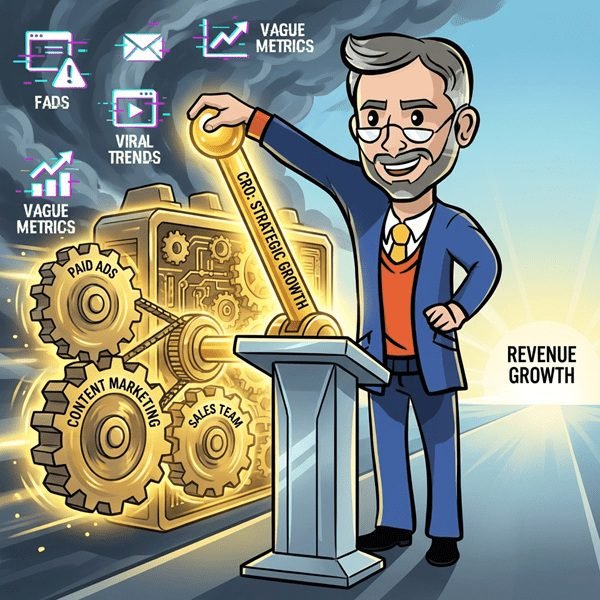
A coordinated approach to digital marketing, SEO, local promotion, and email marketing transforms scattered efforts into a predictable revenue engine for equipment franchises. The difference between a franchise system that grows and one that stagnates often comes down to whether every location has a unified website structure, clear local pages, consistent CRM usage, and active campaigns.
Start by auditing your current setup. Are there territories with no local landing page, no Google Business Profile, or no follow-up process? Even optimizing a handful of locations can prove the model and sell the rest of your franchise network on the approach.
Schedule a 30-minute strategy call with our team to get a marketing assessment for your franchise network. We will identify the gaps, map out priorities, and show you exactly where new business is waiting to be captured.
FAQs About Equipment Franchise Marketing
How is equipment franchise marketing different from marketing an independent dealership?
The key difference is the franchisor-franchisee coordination layer. Franchise networks must maintain brand standards, share campaign assets, and centralize data while still letting each owner promote locally. Independent dealers run everything themselves without that support structure, while franchises can accelerate establishing trust because they enter the market with a recognized brand, an established customer base, and built-in support. The advantage for franchises is national brand recognition, shared content, and pooled advertising budgets, giving owners a proven business model for equipment sales and helping attract new customers. The challenge is keeping every franchise owner aligned and active in digital channels, despite the benefits of shared training, support, and brand recognition.
Which digital marketing channel usually produces the best leads for construction equipment franchises?
Search-driven channels, both SEO and paid search, typically produce the highest-intent inquiries because buyers are searching for specific machines, capacities, and locations. Social media and remarketing support these efforts by nurturing awareness and keeping the brand visible during long decision cycles. The combination is what makes the end result successful.
How long does search engine optimization take to impact lead volume for new franchise locations?
Expect initial improvements in local rankings within three to six months for a new location, with stronger growth over nine to twelve months as content, backlinks, and reviews accumulate. Older locations with existing domains and citations may see faster gains once technical and content issues are addressed.
What role should franchise owners play vs. the franchisor in marketing?
Franchisors should set strategy, core messaging, and provide shared digital infrastructure. Franchise owners focus on local relationships, events, and timely follow-up. A hybrid model works best: corporate runs major digital campaigns and email automation while owners contribute local stories, photos, and customer success examples.
Can email marketing really move the needle for high-ticket equipment sales?
Yes. Email does not typically close a $250,000 excavator on its own, but it keeps buyers engaged during quoting, spec comparisons, and financing discussions. Automated follow-ups to quote requests, reminders about demo dates, and service contract offers 60 to 90 days after delivery all contribute to profits over the lifetime of each customer relationship.
How should we measure the ROI of equipment franchise marketing?
Track metrics beyond clicks and impressions. Focus on the number of marketing-sourced RFQs, demos scheduled, rental agreements signed, and service contracts closed by location, with reporting that produces insights rather than just raw numbers so teams can refine campaigns by territory. Set up consistent CRM reporting across franchisees so the network can identify which campaigns and territories are performing best, then replicate those winning patterns, for example, when one region’s paid search ads consistently drive more qualified RFQs.