Table of Contents
Introduction: Why Lead Generation Should Be a Top Priority for Equipment Dealers in 2026
What “Lead” Really Means for an Equipment Dealer
Understanding the Modern Buyer Journey for Equipment Dealers
Core Strategy: Building an Equipment Dealer Lead Generation Plan
Website and Conversion Foundations for Equipment Dealer Leads
SEO and Local Search Visibility for Equipment Dealers
Outbound, PPC, and Paid Social for Equipment Dealer Lead Generation
Content Marketing and Email Nurturing for Long Sales Cycles
Lead Management, CRM, and Speed-to-Lead for Equipment Dealers
Measuring Equipment Dealer Lead Generation Performance
Common Equipment Dealer Lead Generation Mistakes to Avoid
Why Choose a Specialized Equipment Marketing Partner
Next Steps: Turn Your Equipment Dealer Marketing into a Lead-Generation Engine
FAQs About Equipment Dealer Lead Generation
Introduction: Why Lead Generation Should Be a Top Priority for Equipment Dealers in 2026
Over 94% of customers now search online before contacting a dealer. That single number should reshape how every equipment dealer thinks about pipeline development. Referrals and walk-in traffic still matter, but they are no longer enough to sustain revenue targets across capital equipment and construction equipment categories where deal values are large, margins are under pressure, and sales cycles stretch for months.
This article lays out a complete, practical framework for equipment dealer lead generation in 2026, covering strategy, channels, operations, and measurement. Whether you run a single-location dealership or manage a multi-branch dealer network, the playbook applies. Effective lead generation for equipment dealers requires both digital marketing and relationship building, and you will see exactly how those two forces work together below.
What “Lead” Really Means for an Equipment Dealer
A “lead” for an equipment dealer is not a random website visitor or someone who downloaded a brochure. In practical terms, leads include demo requests, quote requests, rental inquiries, parts and service requests, trade-in evaluations, and long-horizon project conversations about future fleet upgrades.
Think of it this way: a mid-size contractor visits your site, browses your excavator category page, checks financing options, and submits a request to schedule a demo. That contractor has moved from anonymous traffic to a marketing-qualified lead (MQL). Once your sales rep confirms budget, timeline, and authority, the lead becomes a sales-qualified lead (SQL).
For high-ticket equipment categories like excavators, wheel loaders, or material handling equipment, lead quality matters far more than raw lead volume. A well-structured lead generation funnel enhances converting leads into long-term customers. Equipment dealers should measure the revenue impact of their lead generation efforts, not just count how many website forms were filled out.

Understanding the Modern Buyer Journey for Equipment Dealers
The buyer journey for heavy equipment and capital equipment is long. The visible sales cycle from first vendor contact to close averages about 130 days. Include the anonymous research phase, and full decision journeys stretch beyond 12 months. Buyers complete 50 to 80 percent of their journey before ever reaching out to a vendor.
Multiple stakeholders are involved: owners, fleet managers, service managers, and finance leaders all have a voice. Equipment dealers must align marketing and lead generation with each stage of this entire process:
- Early research: Education content, application guides, and spec comparisons
- Mid-funnel: Demos, ROI and TCO calculators, case studies
- Late funnel: Financing offers, service assurances, warranties, trade-in terms
Notably, 95% of new equipment buyers have been customers for over 3 years, underscoring the importance of long-term nurturing.
Key Triggers That Start the Lead Generation Process
Prospective buyers rarely wake up and decide to buy a $250,000 machine on a whim. Common triggers include new contract awards, safety incidents on job sites, repeated breakdowns, expansion into new service territories, seasonal demand shifts, and OEM model updates. These triggers translate into specific searches like “2026 Tier 4 compliant excavator dealer near me” or “used heavy equipment financing in Texas.”
Content and campaigns that explicitly reference these triggers capture attention early. Creating educational content targeting long-tail keywords captures buyers who are actively researching a purchase decision.
How Buyers Shortlist Equipment Dealers
When prospects compare equipment dealers, they look at local presence, OEM brands carried, parts availability, service capability, response times, and online reputation. Here is a critical stat: 60% of prospects avoid businesses with ratings below 3 stars. Dealers with more reviews attract more buyers during evaluations, and professional responses to negative reviews build buyer trust.
Building detailed online listings helps gain trust and improve lead capture effectiveness. A strong online footprint, including optimized Google Business Profiles, clear equipment category pages, and recent case studies, heavily influences who makes the shortlist.
Core Strategy: Building an Equipment Dealer Lead Generation Plan
Random tactics like occasional boosted posts or sporadic paid advertising campaigns do not build pipeline. Equipment dealers need a structured plan tied to revenue and territory goals. High-value marketing efforts should focus on specific, high-potential commercial accounts rather than casting a wide net.
A simple planning process:
- Define your markets by geography and equipment categories
- Clarify ideal customer profiles using CRM data and market research surveys to tailor outbound marketing to buyer preferences
- Set volume and revenue targets by segment
- Map tactics to buyer journey stages
- Assign budgets and accountability
Defining Ideal Customers and Territories
Segment customers by type: commercial contractors, municipalities, industrial plants, farmers, and rental companies. Then layer geography, typically a 50 to 150 mile trade radius per location. Prioritize segments where historical close rates and deal size are strongest. For example, “mid-size civil contractors within 150 miles of Nashville buying 10 to 50 units of construction equipment over 3 years.”
Proper segmentation of CRM contacts can improve targeting for email marketing campaigns and outbound prospecting alike.
Setting Lead Generation and Revenue Targets
Work backward from revenue. If your target is $5M in new equipment sales, your average excavator sale is $250,000, and your SQL-to-close rate is 20%, you need roughly 100 SQLs. Factor in that the average customer acquisition cost for heavy equipment is $20,842, and your marketing investment must be planned carefully across business types and equipment categories.
Set separate goals for new equipment, used equipment, rentals, and service leads. Track targets in your CRM rather than spreadsheets so your team has real-time visibility.
Website and Conversion Foundations for Equipment Dealer Leads
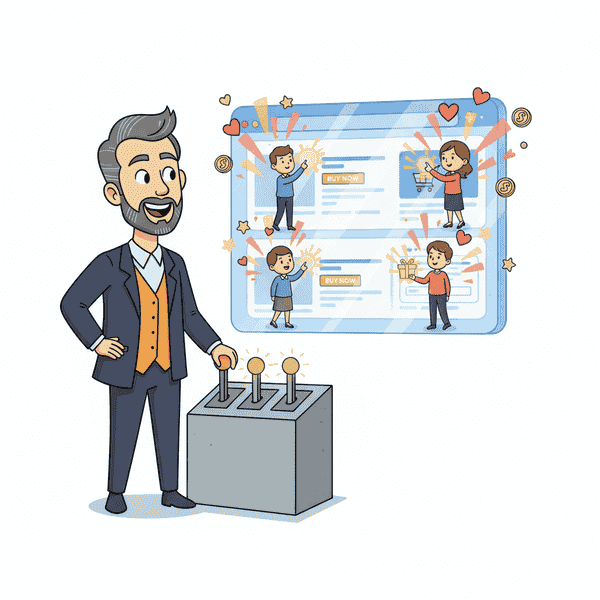
Your website is a 24/7 sales assistant. It must convert anonymous visitors into identifiable leads via website forms, phone calls, and chat across all major equipment categories. Key elements include:
- Clearly structured equipment category pages (excavators, skid steers, forklifts, agricultural tractors)
- Detailed model pages with specs, application context, and financing notes
- Prominent “request a quote” and “schedule a demo” CTAs on every high-intent page
- Location-specific pages for each branch or service area
User-friendly appraisal tools can capture contact information from owners looking to upgrade their equipment. Transparent pricing and high-resolution videos increase online equipment listing effectiveness, helping potential customers make faster decisions.
Optimizing Equipment Category and Inventory Pages
Group listings by equipment category with filters for capacity, fuel type, year, and new versus used. Each category page should include short buying guidance, specs highlights, financing notes, and clear next steps like quote requests, demo scheduling, or trade-in evaluation.
Real-time inventory integration builds trust, especially for used heavy equipment where availability changes daily.
Capturing and Routing Inquiries Effectively
Every high-intent page needs consistent phone numbers, click-to-call buttons, chat options, and forms. Equipment dealers can use automated lead routing to deliver inquiries directly to sales representatives based on product type, location, and urgency.
Fast response times to inquiries or quotes significantly increase sales win rates. Set an internal SLA: respond within 15 minutes during business hours. Leads contacted within 5 minutes are roughly 21 times more likely to qualify than those contacted after 30 minutes.
SEO and Local Search Visibility for Equipment Dealers
SEO increases visibility and drives more traffic to websites, making it foundational for generating leads from high-intent searches like “used wheel loader dealer near Chicago” or “forklift service contract near Charlotte.” Local SEO is critical for equipment dealerships to reach buyers looking for nearby service support.
Three pillars matter most:
- Keyword strategy by equipment category and location
- On-site SEO including titles, headings, and content depth
- Local SEO via Google Business Profiles, local landing pages, and citations
Local SEO and Google Business Profile Optimization
Google Business Profile optimization is crucial for local visibility. Each branch location needs a fully built-out profile with correct categories (e.g., “Construction equipment supplier,” “Agricultural equipment dealer”), brands carried, hours, and service areas. Regular photo uploads of your yard, showroom, and service bays keep listings fresh.
Accurate citations across directories improve local search relevance. Make sure your NAP (name, address, phone) is consistent across your dealer website, industry-specific directories, and mapping platforms. Review generation tied to service completions is highly effective for building the kind of reputation that wins search engines and prospective buyers alike.
Ranking for High-Intent Equipment and Service Keywords
Focus on mid-to-bottom funnel terms: “2026 compact track loader lease,” “boom lift rental in Phoenix,” “forklift service contract near Charlotte.” Structure content around equipment category plus location and application-based terms like “earthmoving equipment for road construction projects.”
Location-specific content enhances visibility for local search queries. Using educational content to answer buyer questions helps capture early-stage leads. Write content that answers real buying questions directly so it performs in both traditional organic search results and Google AI Overviews.
Outbound, PPC, and Paid Social for Equipment Dealer Lead Generation
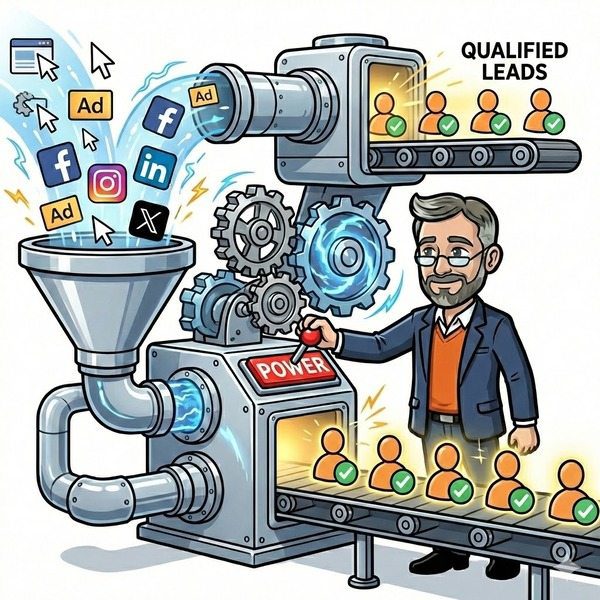
Paid search, paid social, and outbound prospecting complement SEO by capturing buyers who are actively searching or who match tight account criteria. PPC ads appear at the top of search results for immediate visibility, which matters when a contractor needs a rental this week or a municipality has budget to deploy before quarter-end.
With over 5 billion users active on social media platforms, maintaining an active presence on B2B social media can connect dealerships with equipment buyers, especially on LinkedIn. Geofenced digital advertising targets decision-makers around active construction sites and industrial parks, reaching prospects where they work. Cooperative marketing funds from manufacturers can lower acquisition costs for equipment dealers, so always check what OEM co-op dollars are available before planning paid media spend.
Retargeting campaigns can keep prospects engaged with specific equipment they previously viewed, staying visible throughout long buying cycles.
Search Ads for High-Intent Equipment Buyers
Structure search campaigns around equipment category, brand, and intent (buy, rent, service, parts). Each campaign should point to a tightly matched landing page. Include equipment category, local area, fast demo availability, and financing in ad copy.
Track calls and form submissions back to keywords and ads to measure cost per qualified lead. Without this attribution, you cannot tell which search campaigns produce revenue outcomes versus noise.
Outbound Prospecting and Account-Based Outreach
Build curated lists of target contractors, industrial plants, or municipalities and reach them via phone, email, and LinkedIn with personalized offers such as fleet assessments or TCO reviews. Customer referrals can provide highly qualified leads due to established trust, and referral programs can incentivize existing fleet owners to bring in new buyers or renters.
Participation in trade shows allows for face-to-face networking with potential clients, but integrate pre-show outreach and post-show nurturing to maximize ROI. Social media marketing on LinkedIn helps identify and warm up prospects before making contact.
Content Marketing and Email Nurturing for Long Sales Cycles
Content marketing builds trust and educates heavy equipment buyers across 6 to 18 month buying cycles. It supports buyers throughout their decision-making process by answering questions at every stage. High-quality content raises credibility with both buyers and search engines, and content marketing increases leads and sales for equipment companies when done with focus and consistency.
High-Impact Content Ideas for Equipment Dealers
Effective content marketing includes application-focused articles and guides. Concrete examples:
- Buying guides for major categories (“2026 Skid Steer Buying Guide for Sitework Contractors”)
- TCO calculators that help prospects compare ownership costs
- Comparison content (“Brand X vs Brand Y for utility trenching”)
- Maintenance checklists that double as service lead generation
- Local case studies from 2023 to 2025 projects with real numbers on productivity gains
Video content matters: video demonstrations can significantly increase buyer confidence and shorten their decision-making process. Think walkaround videos of new equipment, operator tips, and attachment compatibility guides.
Email Marketing and Lead Nurturing Sequences
Email marketing nurtures leads during buyers’ research phases, keeping your dealership top of mind. Design 4 to 8 week nurture flows starting with education and moving toward demos, financing offers, and service agreements.
Segment email lists by equipment category interest, geography, and role (owner, fleet manager, service manager). Behavior-based triggers, such as visiting a high-intent page or downloading a spec sheet, should prompt additional follow up emails or direct outreach from a sales rep.
Lead Management, CRM, and Speed-to-Lead for Equipment Dealers
Most equipment dealers lose potential deals not for lack of leads but because leads are not captured centrally, routed correctly, or followed up quickly. The average B2B lead response time is roughly 42 hours. Only about 1% of companies respond under 5 minutes. Meanwhile, 78% of customers buy from whoever responds first.
Integrate website forms, phone tracking, chat, and ad platforms into a single CRM so nothing falls through the cracks.
Operationalizing Speed-to-Lead
Set response targets: 5 to 15 minutes for digital inquiries during business hours, same day or early next morning for after-hours leads (which represent roughly 56% of total lead volume for many dealers). Use automated alerts via SMS, email, or CRM tasks to notify your sales team when a new high-intent lead arrives.
Follow up cadences for the first 7 to 14 days should mix calls, emails, and where appropriate, text messages. One industry study found that 47% of all web inquiries to compact equipment dealers received no personal response. That is a massive competitive gap you can exploit simply by showing up.
Using CRM Data to Improve Lead Quality Over Time
Tag every lead by source, campaign, equipment category, and outcome. Over time, this reveals which marketing channels produce closed deals versus tire-kickers. Feed win/loss insights back into targeting, messaging, and budgeting. This ongoing process helps dealers decide where to invest: SEO, paid search, trade shows, outbound, or additional content marketing.
Measuring Equipment Dealer Lead Generation Performance
The primary goal is revenue, not clicks. Track a concise set of KPIs:
| KPI | Why It Matters |
|---|---|
| Leads by source and type | Shows which channels produce volume |
| SQLs and demos/appointments | Measures pipeline quality |
| Quotes issued | Tracks sales engagement |
| Win rate | Reveals closing effectiveness |
| Revenue by channel | Connects marketing investment to revenue |
| Cost per lead / cost per opportunity | Identifies efficiency by equipment category and location |
Monitor these at the equipment category and location level, not just globally. Run quarterly reviews to adjust tactical execution based on what is generating profitable, repeatable business.
Common Equipment Dealer Lead Generation Mistakes to Avoid
- Relying only on walk-ins and repeat customers. Traditional methods alone leave too much revenue on the table. Build digital channels to reach new customers actively searching.
- Underinvesting in local SEO. Most equipment dealers serve a defined territory. If you are invisible in map pack results, you are invisible to potential leads. Invest in location-specific content and Google Business Profile management.
- Running generic PPC campaigns. Broad match keywords and untargeted ads waste budget. Structure campaigns by equipment category, intent, and geography.
- Collecting leads without systematic follow up. Generating leads means nothing if your team cannot make initial contact quickly. Define SLAs and hold your sales team accountable.
- Inconsistent Google Business Profiles across locations. Multi-location dealers often have branches with outdated hours, missing categories, or zero reviews. Audit every profile quarterly.
- Publishing generic, thin content. Content that lacks real project details, local relevance, or application-specific expertise lowers trust with both buyers and search engines. Include specifics.
Why Choose a Specialized Equipment Marketing Partner
Most marketing agencies treat equipment dealers the same way they treat restaurants or law firms. That does not work. Equipment sales involve long technical sales cycles, complex equipment categories, regional territories, dealer networks, and multiple stakeholders across different business types.
A revenue-focused marketing consultancy dedicated to equipment manufacturers, OEMs, dealers, and rental companies brings the expertise to connect marketing activity to pipeline and revenue. Core capabilities should include website and conversion optimization, SEO and local SEO, paid search and social, AI-assisted outbound prospecting, CRM and marketing automation, video content production, and analytics tied directly to revenue outcomes.
The right partner does not just increase sales activity. They help you identify which companies, prospects, and marketing channels drive the most profitable growth, then focus your budget and your team accordingly.
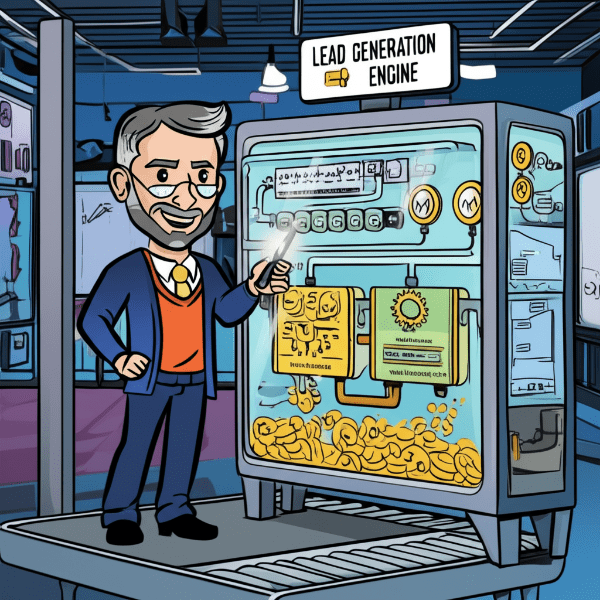
Next Steps: Turn Your Equipment Dealer Marketing into a Lead-Generation Engine
Sustainable growth requires a structured approach to generating and managing leads across the entire buyer journey. Start by auditing your current efforts: website, SEO, ads, content, CRM, and follow up processes. Identify two or three immediate fixes, whether that is speeding up lead response, optimizing your Google Business Profile, or launching search campaigns for a high-value equipment category.
Pick one high-potential equipment category for a focused pilot program. Measure what matters: not just lead volume, but pipeline and revenue. When you are ready for a tailored lead generation and revenue growth plan built specifically for equipment dealers, reach out for a consultation. Your next customer is already searching.
FAQs About Equipment Dealer Lead Generation
How long does it take for an equipment dealer lead generation program to start working?
Paid search and outbound prospecting can produce leads within weeks. SEO and content marketing typically need 3 to 6 months to show consistent lead volume. Plan for a blended approach so you generate more leads immediately while building long-term organic search visibility.
Which channels usually generate the best leads for equipment dealers?
High-intent organic search and paid search campaigns focused on equipment categories plus location tend to deliver the strongest qualified leads. Well-optimized Google Business Profiles drive local visibility, and targeted outbound to known contractors or fleet managers often fills pipeline with high-value opportunities.
Do equipment dealers still need trade shows if they invest in digital lead generation?
Trade shows remain a great tool for face-to-face relationship building and brand visibility in the heavy equipment industry. However, they should not be your only lead source. Integrate pre-show outreach and post-show nurturing into your process to maximize return.
What budget should an equipment dealer allocate to generating leads?
Many heavy equipment companies allocate 5 to 15 percent of target equipment revenue to total marketing. Newer equipment lines or rental divisions may need more to build awareness. As programs mature, shift spend from discovery toward conversion optimization and measurable results.
Does SEO really work for equipment dealers and heavy equipment companies?
Yes. SEO increases visibility and traffic for equipment businesses when content is specific to equipment categories, local markets, and applications. The key is building pages that answer real buyer questions rather than stuffing keywords. Dealers who invest in local SEO and application-based content consistently outperform competitors who rely on logistics operations and word of mouth alone.
How can email marketing help equipment dealers nurture and close more deals?
Segmented email campaigns keep dealers in front of prospects during long evaluation periods. Share new equipment arrivals, service promotions, and financing offers. Prompt demos or fleet reviews based on prospect behavior. Because content marketing helps educate buyers over long sales cycles, email is the delivery mechanism that ensures your expertise reaches the right people at the right time.