Table of Contents
Introduction: Why Equipment Franchises Need a Specialized Marketing Agency Now
What Is an Equipment Franchise Marketing Agency?
Unique Marketing Challenges of Equipment Franchises
Core Role of an Equipment Franchise Marketing Agency
Designing a Revenue-Focused Marketing Strategy for Equipment Franchises
Local SEO, AI Search Visibility, and GEO/AEO for Equipment Franchises
Paid Search and Social Campaigns that Attract High-Intent Equipment Buyers
Content Marketing for Complex Equipment Sales
Protecting Brand Consistency While Empowering Local Franchise Marketing
Marketing Technology Stack for Equipment Franchise Systems
Aligning Marketing with Franchise Sales and Development
Supporting Franchisees: From “Do-It-Yourself” to Done-For-You Programs
Measuring ROI and Performance Across Every Location
Common Mistakes in Equipment Franchise Marketing (and How to Avoid Them)
When Is It Time to Partner with an Equipment Franchise Marketing Agency?
How the Engagement Process Typically Works
How to Evaluate and Choose the Right Equipment Franchise Marketing Partner
Why Choose Our Equipment Franchise Marketing Team
Next Steps: Strengthen Your Equipment Franchise Marketing Today
FAQs: Equipment Franchise Marketing Agencies
Introduction: Why Equipment Franchises Need a Specialized Marketing Agency Now
In 2026, the cost of acquiring a qualified lead for heavy equipment, material handling, or agricultural machinery keeps climbing. AI-powered search experiences are reshaping how buyers discover local suppliers. Equipment sales and rentals involve high-consideration purchases and long sales cycles that can stretch across months of spec research, RFQs, site visits, and committee approvals. Meanwhile, competition among multi location businesses selling similar product lines is fierce, and a generic digital marketing approach simply does not cut it.
An equipment franchise marketing agency is a B2B-focused partner built specifically for manufacturers, OEMs, dealers, distributors, and rental or service franchise systems that sell high-ticket machinery. Unlike a general franchise digital marketing agency that might specialize in carpet cleaning or food service concepts, these agencies understand technical buyers, complex specifications, dealer territory rules, and the long decision cycles that define the equipment industry.
This guide walks through concrete marketing strategies for equipment franchises, explains how agencies support both franchise sales and local franchisee success, and outlines what to ask before choosing a marketing partner. You will learn how to balance brand consistency with local flexibility, leverage local SEO and AI search visibility, build a data-driven marketing strategy, and connect your internet marketing to booked demos, rentals, and contracts.
What Is an Equipment Franchise Marketing Agency?
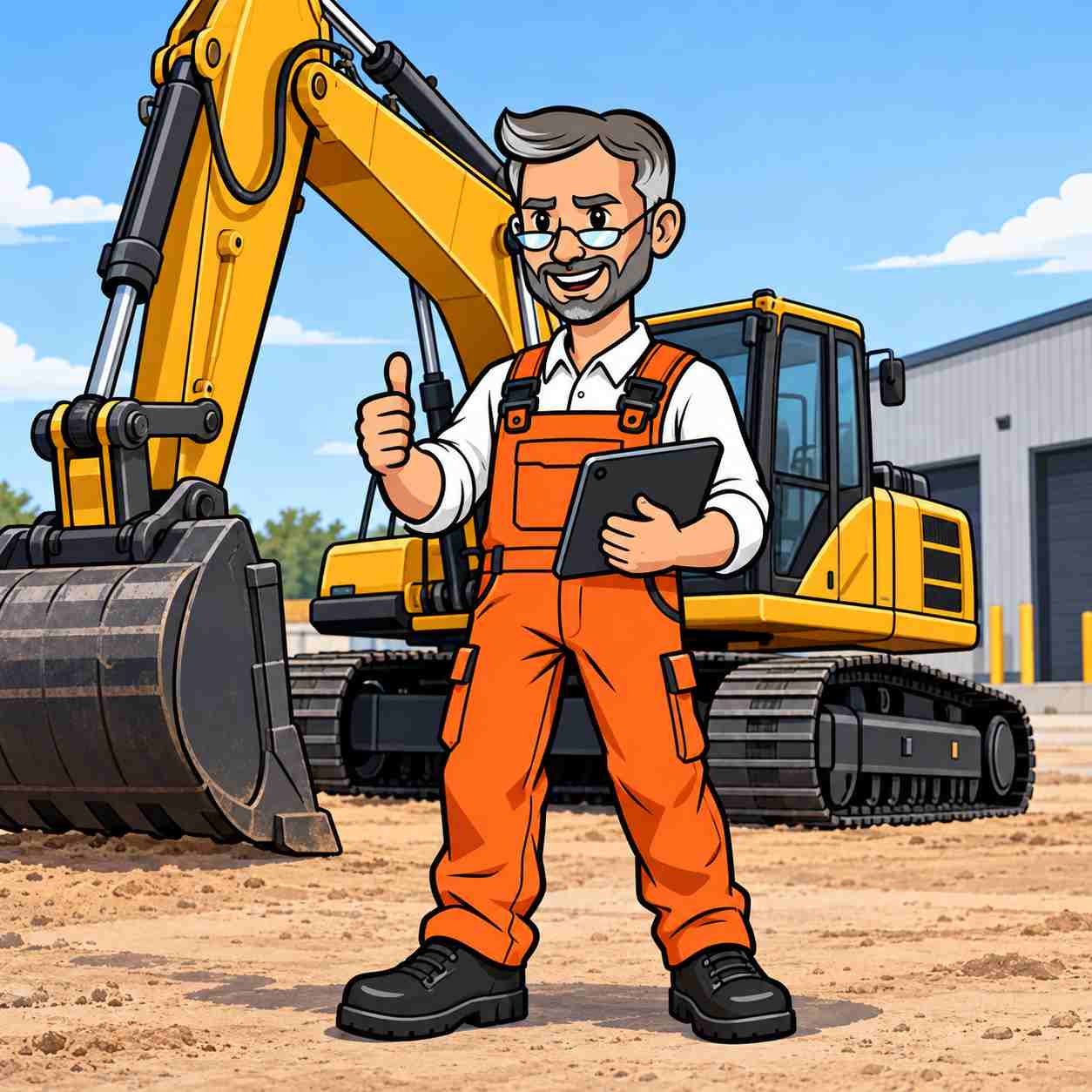
An equipment franchise marketing agency serves franchise brands operating in industrial and heavy-equipment sectors: construction equipment rental networks, material handling dealer systems, agricultural equipment service franchises, food processing equipment distributors, and similar verticals. Their job is to generate qualified leads for each franchise location while keeping the franchisor’s brand, messaging, and compliance standards intact across the entire franchise network.
The difference from generic franchise digital marketing agencies is domain fluency. General agencies may know how to run social media campaigns or build landing pages for consumer-facing franchise businesses, but they rarely understand the buying behavior of plant managers evaluating a $400,000 crane, or the seasonal rental cycles for excavators and skid steers. Agencies focused on franchises understand the nuances of equipment dealerships, including territory exclusivity, OEM co-op programs, and the technical depth buyers expect before issuing an RFQ.
These agencies bridge franchisor brand control with local lead generation and sales enablement. Consider a 50-location lift-truck service franchise. The franchisor needs a unified website architecture with centralized content about product types, safety certifications, and warranty standards. At the same time, each territory needs PPC campaigns targeting queries like “forklift safety inspection [City]” and “forklift repair near me,” plus localized reviews and Google Business Profiles. The agency manages both layers simultaneously. Equipment buyers typically search for local suppliers or regional dealers, so getting this balance right determines whether the phone rings or stays silent.
Unique Marketing Challenges of Equipment Franchises
Equipment franchises face pain points that most marketing agencies never encounter:
- Long sales cycles with multiple stakeholders. A single equipment purchase can involve owners, operators, maintenance managers, and procurement teams evaluating specs, requesting demos, and comparing bids over weeks or months. Rental and fleet contracts add layers of insurance, maintenance terms, and site inspections.
- Complex specification demands. Buyers evaluate power ratings, fuel type, emissions compliance, tonnage, lift capacity, and safety features. Content that skims the surface loses credibility fast.
- RFQ-driven deals. Many transactions start with formal requests for quotation, not a shopping cart. Marketing must generate qualified inquiries that feed a structured sales process.
- Seasonal demand swings. Agricultural equipment demand spikes around planting and harvest seasons. Construction gear follows warm-weather building cycles. Material handling upticks align with e-commerce fulfillment seasons.
- Territory conflicts between locations. Without careful geo-targeting, franchise locations can cannibalize each other’s leads. Duplicate Google Business Profiles, inconsistent NAP data, and overlapping ad targeting cause ranking penalties and customer confusion.
- Budget fragmentation. Corporate teams manage national ad fund spending on brand campaigns while local franchisees run independent efforts, often with no shared CRM, no call tracking, and no visibility into lead quality.
Hiring a full in-house marketing team at each location is usually more expensive than retaining an agency, yet most franchisees cannot justify the cost alone. The result is underinvestment in tracking and follow-up. And the cost of a single lost opportunity—a missed $250,000 machine sale or a multi-year maintenance contract—can dwarf what consistent, focused marketing efforts would have cost to prevent it.
Core Role of an Equipment Franchise Marketing Agency
A specialized agency acts as an extension of both the corporate marketing team and local sales operations. At the national level, it builds the marketing strategy, brand messaging, core content, and campaign frameworks. At the local level, it executes territory-specific programs that feed each franchisee’s pipeline.
The most effective marketing for equipment franchises connects national branding with local execution. The outcomes that matter are not deliverables like “50 location pages built” but rather:
- More qualified inbound requests (RFQs, demo bookings, service calls)
- Healthier pipelines with measurable deal velocity
- Clearer ROI attribution per territory
- Higher franchisee satisfaction and retention
Agencies track analytics from the initial click to the final sale to assess marketing effectiveness. Governance is built into the process: approved messaging, centralized analytics, brand-compliant templates, and shared dashboards keep everything aligned while giving each franchisee a marketing voice through local testimonials, project examples, and regional targeting.
A critical but often overlooked dimension is serving two distinct audiences. The agency must drive demand from end customers—buyers, renters, and service clients for equipment—while also supporting franchise development marketing aimed at prospective franchisees evaluating the brand as an investment opportunity. Franchise marketing must balance national branding with local execution on both fronts.
Designing a Revenue-Focused Marketing Strategy for Equipment Franchises
A revenue-focused strategy for equipment franchises starts with practical planning, not abstract theory.
Define customer segments and buying triggers. Identify who buys, rents, or services equipment in each territory: contractors, farm operators, warehouse managers, food processing plants. Each segment has different triggers—breakdowns, fleet expansion, regulatory upgrades, lease expirations, seasonal ramp-ups.
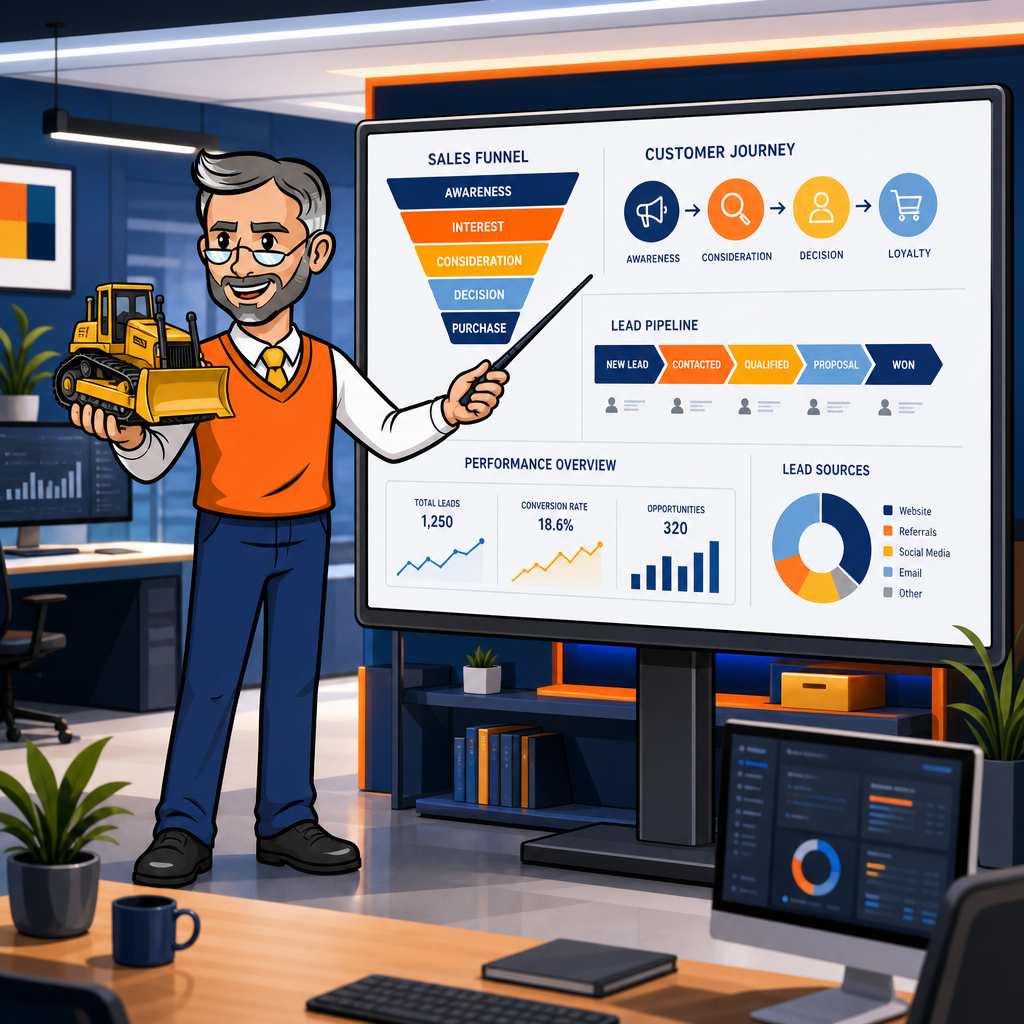
Map the B2B sales funnel. For equipment franchises, the funnel typically looks like this:
- Awareness (trade content, SEO, industry events)
- Spec research (guides, comparison tools, spec sheets)
- RFQ or inquiry submission
- Site visit or demo
- Proposal and negotiation
- Contract award or purchase
Connect specific tactics to each stage. Top-of-funnel content builds awareness. Mid-funnel content educates. Bottom-funnel campaigns (remarketing, email nurturing) push toward the demo or RFQ. Automated lifecycle strategies can maximize pipeline value by keeping prospects engaged through months-long evaluation periods.
Prioritize revenue metrics over vanity metrics. Pipeline value, closed deals, quotes issued, and lifetime value of recurring service contracts tell you whether marketing is working. Clicks and impressions alone do not. Franchise lead generation can increase by 56% with cohesive strategies that tie every tactic to revenue outcomes.
Establish a planning cadence. Quarterly strategy sessions with shared KPIs across corporate and franchisees prevent siloed campaigns. Each territory should have clear targets: number of demo requests, service calls booked, and quote value generated.
Local SEO, AI Search Visibility, and GEO/AEO for Equipment Franchises
Local search is the front door for equipment franchise leads. When a warehouse manager searches “forklift repair near me” or a contractor looks for “excavator rental [City],” the franchise branch that shows up wins the call. In 2026, this discovery process increasingly happens through AI-powered search experiences—Google AI Overviews, ChatGPT, Gemini, and Perplexity—alongside traditional search results.

AI search visibility helps franchises appear in AI-generated local searches, which now influence a growing share of B2B discovery. AI-driven insights can boost local search visibility by 54%, and AI SEO services can increase traffic from AI platforms by 5,556% when structured content meets AI retrieval needs.
Core local SEO tasks for multi location brands include:
- Google Business Profile optimization for every franchise location. Google Business Profile optimization boosts local visibility by 54%, making it one of the highest-ROI activities available.
- Consistent NAP (Name, Address, Phone) across all directories and citations to prevent ranking penalties.
- Localized service pages with territory-specific content: local industries served, regional projects, climate-relevant applications.
- Structured data markup on location and service pages to help both search engines and AI assistants parse information accurately.
- Review generation and management. Agencies encourage systematic review generation and reputation management for equipment businesses, because review volume and recency directly influence local search presence.
GEO (Generative Engine Optimization) and AEO (Answer Engine Optimization) mean structuring content so AI systems can pull direct, accurate answers. In plain language: make each location easily understood by both search engines and AI assistants. FAQ schema, clear entity data, and concise answers to common queries like “What’s the best skid steer rental near me?” feed these systems.
Hyper-local SEO can increase organic leads by 106%, and local SEO strategies can drive a 25% increase in organic traffic even for competitive equipment terms. Marketing agencies help equipment franchises improve local search rankings by building this infrastructure location by location. Location-specific landing pages improve local audience engagement by matching the searcher’s intent with territory-relevant information.
KPIs to track: local pack rankings, direction requests, calls, form fills per location, and—where measurement tools exist—AI citation share and local search optimization performance.
Paid Search and Social Campaigns that Attract High-Intent Equipment Buyers
Paid media is where equipment franchises can capture immediate demand from buyers actively searching for solutions. Agencies deploy precision-targeted paid search and social ads for industrial decision-makers across Google Ads, Microsoft Ads, and LinkedIn.
Keyword strategy by intent. Keyword groups differ sharply by transaction type:
| Intent | Example Keywords |
|---|---|
| Rental | “scissor lift rental 2026 rates,” “excavator rental [City]” |
| Purchase | “buy used excavator,” “new skid-steer specifications” |
| Service | “24/7 conveyor repair,” “forklift maintenance contract” |
Use long-tail terms with specifications (HP, tonnage, brand model) that technical buyers actually search. Negative keywords filter out hobbyists and irrelevant traffic.
Geo-targeting by territory. Campaign structures must respect franchise boundaries. Agencies use geo-targeted advertising to capture immediate demand from equipment buyers without creating lead conflicts between locations. Separate ad groups by location and product line ensure spend aligns with local inventory and availability. Using geo-targeted paid media can boost local lead volume by 82%.
Budget allocation. Mature markets with strong brand presence may yield lower cost per acquisition; newer territories need more awareness spend. Larger deal sizes justify higher cost per click. A multi-location ad architect system can lower cost per lead by 42%, and AI tools can reduce cost per lead by 42% in franchise marketing through smarter bidding and audience targeting.
Agencies create landing pages optimized for specific equipment inquiries, matching ad copy to landing page content for each territory. Hyper-local paid search can boost lead volume by 82% when campaigns are tightly structured.
Remarketing and LinkedIn. Equipment decisions stretch over months. Remarketing keeps your brand visible during long evaluation periods. LinkedIn campaigns target specifiers—plant managers, operations leaders, procurement directors—with content that builds credibility. Social media advertising and social media marketing on these platforms reach decision-makers who may not be actively searching but are evaluating options.
Franchise marketing agencies can achieve 1,009% return on ad spend when paid media, landing pages, and follow-up processes are aligned across the network.
Content Marketing for Complex Equipment Sales
Content marketing is critical in technical, high-ticket equipment decisions because buyers educate themselves extensively before contacting sales. Agencies utilize content marketing to address common buyer questions about equipment—questions about specs, ROI, compliance, maintenance, and total cost of ownership.
Content types that perform well:
- Application guides (“How to choose the right skid-steer for your site conditions”)
- ROI calculators comparing owning vs. renting costs
- Maintenance checklists and safety compliance guides
- Video walk-arounds of equipment in real working conditions
- Case studies from actual job sites showing measurable outcomes
- Technical data sheets and specification comparisons
A central agency can create master content—core guides, high-detail spec sheets, video templates—that franchisees then localize with regional examples, industry-specific applications, or climate considerations. This is how content marketing scales across franchise systems without losing relevance.
Map content to stages of the buying journey. Top-of-funnel blog posts and explainer videos build awareness. Mid-funnel comparison tools and spec sheets support evaluation. Bottom-funnel proposals, customer testimonials, and product trial content push toward conversion. Use this content across email marketing nurture sequences, sales decks, and local SEO landing pages.
Repurposing multiplies output. Turn field-service insights into articles. Convert subject-matter-expert interviews into short videos. Transform recurring customer questions into FAQ content that also feeds AI search visibility.
Protecting Brand Consistency While Empowering Local Franchise Marketing
Brand consistency is critical for multi-location authority. When a prospect encounters different logos, conflicting safety claims, or inconsistent messaging across locations, trust erodes quickly. Brand control with local permission is essential for franchise success.
Centralized frameworks that maintain consistency:
- Standardized brand guidelines covering visual identity, logo use, and required legal language
- Approved image and video libraries accessible to all locations
- Messaging guides for core value propositions, safety claims, and warranty wording
- Corporate templates for brochures, landing pages, email headers, and social media management posts
Where local customization is healthy: highlighting regional projects, local testimonials, weather-specific applications (cold-storage installations vs. desert construction), and local regulatory differences. Local store marketing and local franchise marketing thrive when franchisees can showcase their own work within the brand framework.
Consider a lift-truck service franchise: the corporate team standardizes brochure design, landing page layouts, and safety regulation copy. Each branch features its own local projects—port installations, warehouse retrofits, cold-storage builds—through local testimonials and project photos. The brand looks unified, but each location feels relevant to its local markets.
Maintaining brand consistency across dozens or hundreds of locations requires monitoring. Regular audits of location pages, Google Business Profiles, ad copy, and social media profiles catch drift before it damages the national brand. Some franchise marketing systems support over 15,000 locations for brand consistency, and consistent branding has been tied to 1,009% return on ad spend across networks that get it right.
Marketing Technology Stack for Equipment Franchise Systems
The ideal martech stack for equipment franchise systems includes:
| Component | Purpose |
|---|---|
| CRM | Capture leads, track quotes, attribute revenue to campaigns |
| Marketing automation | Nurture sequences, follow-up triggers, lifecycle campaigns |
| Call tracking | Attribute phone leads to campaigns and locations |
| Multi-location web CMS | Template-controlled location pages with local content flexibility |
| Centralized analytics | Dashboards showing performance by territory, product line, channel |
Franchise management platforms handle operations, royalty payments, and compliance. The marketing platform is distinct: it drives lead generation, local visibility, content distribution, and reporting. Franchise marketing software manages listings, reviews, and local search visibility across the network. The two systems should integrate but serve different functions.
Agencies utilize enterprise-grade analytics and CRM tools that individual franchisees rarely purchase independently. AI-powered dashboards provide location-level performance insights, making it possible for corporate teams to spot underperforming territories and reallocate resources quickly.
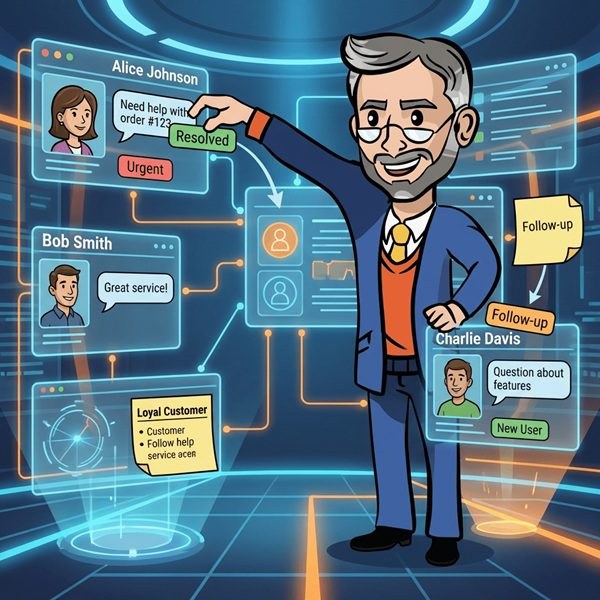
CRM implementation and discipline at the franchise and dealer level is crucial for attributing revenue to campaigns. Without it, you cannot tell which marketing efforts generated a $300,000 equipment sale versus a casual inquiry. Practical integrations matter most: website forms and chat feeding the CRM, leads routed automatically by territory, UTM tracking on all campaigns, and call transcription for quality review. Avoid tool overload—start with the essentials and ensure adoption before layering on advanced systems.
Aligning Marketing with Franchise Sales and Development
Consumer-facing marketing and franchise development marketing are related but distinct tracks. Both benefit from the same foundational digital presence, but they target different audiences with different messages.
Demand-generation data—local search volume, inbound lead velocity, pipeline value per territory—directly supports franchise sales pitches to prospective operators. When you can show a potential franchisee that their target territory generates 400 monthly searches for “equipment rental [City]” with strong conversion potential, the investment case writes itself. Franchise marketing can increase organic leads by 106%, and that data becomes a powerful recruitment tool.
Content and campaigns aimed at franchise development include opportunity overview pages, webinars, comparison guides, territory ROI calculators, and industry benchmarks. These target a different persona—the investor or operator evaluating the franchise brand—so messaging focuses on profitability, training, support infrastructure, and market demand rather than product specs.
Track signed franchise agreements back to specific campaigns, keywords, and content. Data consistently shows that 43% of signed franchise deals originated from organic search traffic, making SEO and content critical to franchise growth, not just customer acquisition.
Supporting Franchisees: From “Do-It-Yourself” to Done-For-You Programs
The adoption problem is real: owner-operator franchisees and dealers rarely have time to manage complex online marketing tools, build landing pages, or optimize Google Ads campaigns. Expecting them to becomes a liability.
Three support models:
- Centralized execution. Corporate and the agency run all campaigns on behalf of locations. Franchisees provide local input (projects, testimonials) but do not manage platforms.
- Tool-based enablement. Franchisees access a marketing platform with training and support. Works for sophisticated operators but often leads to inconsistent execution.
- Practical hybrid. National programs handle brand campaigns, SEO, and content. Local add-ons give franchisees pre-built “campaign-in-a-box” offers for local promotions—seasonal pushes, grand openings, local events—with pre-approved creative and targeting.
The hybrid model tends to deliver the strongest results. Some franchise marketing suppliers have demonstrated this at scale: Thrive Internet Marketing Agency generated 89,422 leads across 180 locations through coordinated programs. PowerChord’s platform improves local marketing execution across franchise networks by giving franchisees structured tools within brand guardrails. Hyperlocology boosts media buying efficiency by over 50% for franchises through centralized purchasing with local targeting. Ignite Visibility manages over 15,000 locations for franchise marketing by combining centralized strategy with location-level execution.
Strong local support looks like structured onboarding, monthly performance reviews, and simple scorecards showing leads, calls, and booked jobs per location. When franchisees see clear results tied to marketing spend, buy-in follows naturally.
Measuring ROI and Performance Across Every Location
Agencies track revenue generated by marketing activities rather than just leads or impressions. For equipment franchises, this means connecting every form fill, phone call, and chat interaction to pipeline stage and eventual closed revenue.
Metrics at the network level:
- Total pipeline volume and velocity
- Closed revenue by source (organic, paid, referral, trade events)
- Cost per acquisition across all locations
- Lifetime value for recurring service contracts and rental agreements
Metrics at the location level:
- Inbound lead count and lead quality (RFQ vs. general inquiry)
- Quotes issued and demos booked
- Revenue attributed to digital marketing efforts
- Local SEO rankings and Google Business Profile metrics
- Paid search conversion rates and cost per lead
Dashboards and regular performance reviews help franchisors see which territories are under-marketed or underperforming. Monthly or quarterly reviews by location against targets identify where to shift budget, where to increase content investment, and where paid media needs refinement.
Use data to tune marketing strategies by region. In mature markets, shift more spend toward service promotion, maintenance contracts, and loyalty programs. In growth regions, invest more in new equipment campaigns, awareness, and franchise development marketing. Seasonal adjustments—ramping construction equipment campaigns in spring, agricultural equipment campaigns before planting season—keep spend aligned with demand.
Common Mistakes in Equipment Franchise Marketing (and How to Avoid Them)
1. Using a single generic website for all locations. What to do instead: build location-specific landing pages with local content, clear service areas, and local SEO optimization. Each branch needs its own digital presence tied to its territory.
2. No local SEO or inconsistent business listings. What to do instead: audit Google Business Profiles and directories. Ensure consistent NAP data. Manage reviews. Keep local citations accurate. Local listings management and local search marketing are foundational, not optional.
3. Untracked phone calls and form submissions. What to do instead: implement call tracking with unique numbers per campaign and location. Define lead qualification criteria. Feed all inquiries into CRM and track follow-up and conversion. Without this, you cannot tell which digital marketing efforts produce revenue.
4. Ignoring AI-driven search and GEO/AEO. What to do instead: include structured data, FAQ schema, and content formatted for AI retrieval. Monitor AI Overviews and answer engine results. Optimize for both traditional local search and AI-generated responses.
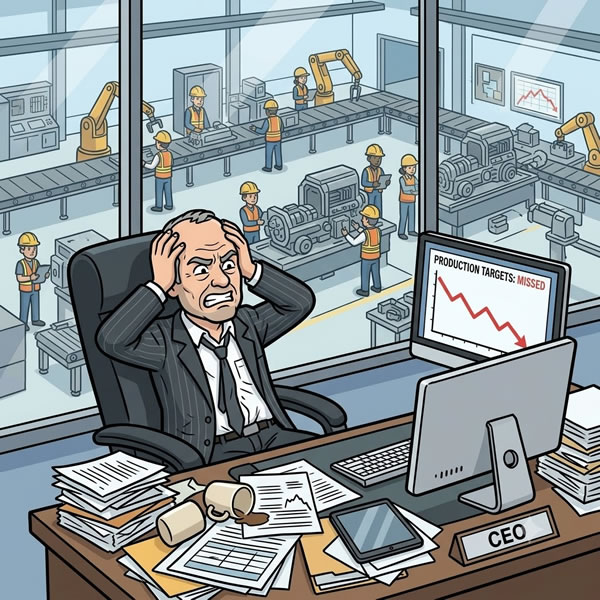
5. Inconsistent follow-up and lead nurturing. What to do instead: build automated nurture sequences through email marketing and marketing automation. Set firm timelines for demo and proposal follow-up. A lead that goes cold because nobody called back within 24 hours is a lead your competitor will close.
6. Outsourcing to marketing agencies without equipment or franchise experience. What to do instead: ask for vertical case studies in industrial, manufacturing, or equipment sectors. Confirm the team includes technical copywriters who can write about hydraulic specs, emissions standards, or maintenance intervals with authority. General agencies may generate volume but often miss fit, producing poor lead quality and frustrated sales teams.
7. Underestimating content depth for technical buyers. What to do instead: produce deep technical content-spec sheets, compliance guides, integration details, ROI analysis. Surface-level blog posts do not earn trust from engineers or procurement managers evaluating a six-figure purchase.
When Is It Time to Partner with an Equipment Franchise Marketing Agency?
If you recognize these signals, it is time to act:
- Flat or declining lead volume despite increasing ad spend
- Heavy dependence on trade shows, referrals, and word-of-mouth with no digital pipeline
- Wide performance variation across franchise locations with no clear explanation
- Expansion into new regions without digital demand generation in place
- Constant franchisee complaints about low lead volume or poor lead quality
Operational pain signals are equally telling: no shared data between local franchises and corporate, local franchisees spending ad dollars in isolation, no lead attribution capability, declining SEO rankings, outdated websites, chaotic directory listings, or low review volume with unmanaged reputation management.
The right marketing partner can modernize your digital presence, improve local search optimization, and connect marketing activities directly to franchise sales and revenue metrics. Partnering with a specialized marketing agency can benefit equipment franchises by replacing guesswork with measurable pipeline growth.
How the Engagement Process Typically Works
A structured engagement follows a phased approach:
1. Discovery (Weeks 1–3). Understand equipment lines, top SKUs, margins, dealer and franchise structure, territories, customer personas, current marketing channels, seasonal demand cycles, and existing lead volume and quality.
2. Audit (Weeks 2–4). Evaluate website technical health, local SEO consistency across a sample of locations, content depth and buyer-journey mapping, paid media performance, CRM setup, and analytics infrastructure. Web development and website development gaps surface here.
3. Strategy (Weeks 4–6). Define segments, funnel mapping, content plan, local SEO plan, paid media plan, budget splits between national campaigns and local programs, reporting dashboards, and territory rules.
4. Pilot (Months 2–4). Implement across 3–10 markets to test local SEO improvements, paid media targeting, content localization, and lead tracking. Measure leads, quote requests, and revenue attribution.
5. Rollout and scale (Months 4–12+). After the pilot proves, expand to all locations. Scale content types, paid search and social campaigns, and remarketing. Adjust budget allocations by territory based on pilot data.
6. Optimization (Ongoing). Regular reviews with corporate and location-level stakeholders. A/B testing of landing pages and ad copy. Continuous content refinement. Closed-loop feedback from sales to marketing.
Realistic timelines: first meaningful local SEO improvements appear within 60–90 days for well-structured locations, with strong compounding organic gains over 6–12 months. Full scaling across large franchise systems (50+ locations) takes 12 months or more.
How to Evaluate and Choose the Right Equipment Franchise Marketing Partner
When comparing top franchise marketing companies and franchise marketing solutions, use concrete evaluation criteria:
- Vertical experience. Ask for case studies in industrial, manufacturing, or equipment sectors. Confirm experience with franchise and dealer network structures, territory management, and multi location marketing.
- Who does the work? Clarify whether the team is in-house or outsourced. Ask who writes the technical content, manages paid media, and handles local SEO. An advertising agency or digital marketing agency may subcontract critical functions—know before you commit.
- Reporting and attribution. How do they report results? Do dashboards show revenue attribution by location, not just traffic? Do they track from click to closed deal?
- Brand control and local flexibility. How do they balance maintaining brand consistency with local customization? Ask about approval workflows, template systems, and audit processes.
- Case studies tied to revenue. Look for franchise marketing companies that show pipeline and revenue impact, not just traffic growth. References from similar equipment segments—construction, agricultural, material handling—carry more weight than generic testimonials.
Ask directly: “Show me a case where your marketing strategy moved the needle on equipment sales, rentals, or service contracts for a multi-location system.” If they cannot, keep looking.
Why Choose Our Equipment Franchise Marketing Team
Pro Equipment Marketing exists at the intersection of equipment industry expertise and franchise marketing execution. We specialize in the long, technical sales cycles that define OEM, dealer, and franchise relationships in construction equipment, agricultural machinery, warehouse automation, material handling, and specialty equipment sectors.
Our capabilities span website strategy, SEO and AI search optimization (including GEO and AEO), paid media across Google Ads and social media, AI-assisted outbound prospecting, CRM implementation, marketing automation, email marketing, and conversion optimization—all tailored to equipment franchise systems.
What sets us apart is our approach: revenue-focused planning, territory-aware campaigns, transparent reporting by location, and close collaboration with sales leadership. We do not measure success by impressions or clicks. We measure it by qualified leads generated, quotes issued, demos booked, and contracts closed.
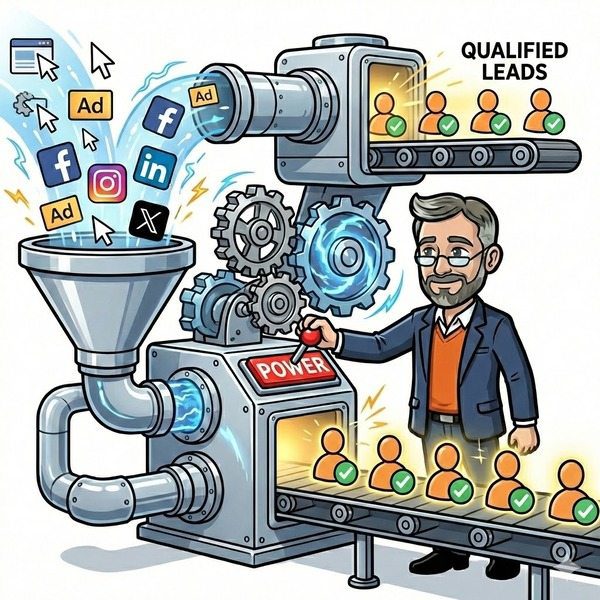
We work comfortably across franchise companies, manufacturer-dealer networks, and rental or fleet operations. Whether you have 10 locations or 200, our team understands the tension between national brand strategy and local market realities—and builds programs that serve both.
Next Steps: Strengthen Your Equipment Franchise Marketing Today
Scattered local efforts and disconnected national campaigns leave revenue on the table across your entire franchise network. A specialized equipment franchise marketing agency can turn those scattered efforts into a cohesive, revenue-focused system.
Before reaching out, gather the basics: number of franchise locations, primary equipment lines, key local markets, and a candid assessment of current marketing efforts and results. This makes the first conversation productive.
The simplest next step is a multi-location digital audit—a focused assessment of your website, local SEO, paid media, and tracking infrastructure across a sample of locations. It identifies quick wins and long-term opportunities without a lengthy commitment.
If your equipment franchise is ready to connect marketing spend to measurable pipeline and revenue, reach out to Pro Equipment Marketing for a strategy session. We will show you exactly where the gaps are and how to close them.
FAQs: Equipment Franchise Marketing Agencies
These are the questions franchisors, CEOs, and dealer principals most commonly ask when considering a specialized agency.
How is an equipment franchise marketing agency different from a general franchise agency?
Industry fluency is the core difference. A specialized agency understands equipment specs, jobsite safety requirements, rental vs. purchase models, and B2B buying committees with multiple decision-makers. They translate technical value into clear messaging and campaigns while respecting territory rules and dealer agreements. General marketing agencies may generate lead volume, but often miss fit—leading to poor lead quality and frustrated sales teams who waste time on unqualified inquiries.
What marketing strategies work best for equipment franchises in 2026?
The most effective strategies include strong local SEO for each branch, targeted paid search, remarketing, educational content marketing, and AI search optimization. Omnichannel consistency—across web, search, email, social media, and trade events—plus clear follow-up sequences in CRM tends to outperform one-off tactics. For example, a combined campaign using SEO to build local search presence, PPC to capture high-intent queries, and email nurturing to stay in front of long-cycle buyers can significantly increase demos and RFQs for a regional equipment rental franchise. 43% of signed franchise deals originated from organic search visibility, reinforcing how critical organic investment remains alongside paid efforts.
How long does it take to see results from local SEO for equipment franchises?
Initial improvements typically appear within 3–4 months for well-structured locations, with strong, compounding organic gains over 6–12 months. Timeframes vary based on competitive intensity, current digital presence quality, and whether each location has unique, locally relevant content. We recommend combining local search optimization with paid search and outbound efforts early to generate leads while organic visibility builds.
How much should an equipment franchise invest in marketing?
For B2B equipment franchises, marketing spend typically ranges from 2% of revenue for lean operators to 6.5% or more for growth-mode firms. Companies in aggressive franchise growth phases may push toward 8–10% of projected revenue, adjusted for deal size and margins. National contributions cover branding, content marketing, and national campaigns, while local lead generation budgets should align with territory size and growth goals. Tie budgets to realistic pipeline targets—number of new contracts, rental agreements, or units sold per quarter—rather than arbitrary percentages.
How do you keep brand consistency across dozens of franchise or dealer locations?
Central brand guidelines, shared templates, and controlled digital assets for websites, ads, and collateral form the foundation. Approval workflows for local campaigns, plus regular audits of location pages, listings, and social profiles, catch compliance issues early. Consistent training and simple tools reduce off-brand messaging without stifling local initiative. The combination of brand control frameworks with local permission is what separates high-performing franchise networks from fragmented ones.
Can an agency help with both customer acquisition and franchisee recruitment?
Yes. A capable equipment franchise marketing agency can run both consumer and business buyer campaigns and investor-focused franchise development marketing simultaneously. Content and messaging differ significantly: ROI projections, territory opportunity data, and operational support focus for prospective franchisees versus application guides, service capabilities, and product specs for end customers. Track each stream separately in CRM so franchisors can see performance by goal—unit sales and service contracts versus new franchise agreements signed.
How do you prove that marketing is actually driving equipment sales and rentals?
Attribution starts with tracking forms, calls, and chat interactions to specific campaigns and locations. Log every opportunity and quote in CRM. Report closed revenue by source. Use call tracking numbers and UTM-tagged links for each campaign and location to eliminate guesswork. Recurring reviews where marketing and sales align on what constitutes a qualified opportunity—and refine campaigns based on what actually closes—keep the system honest and improving.