This guide covers specific digital marketing strategies for agricultural equipment manufacturers, dealers, distributors, and rental companies looking to produce more qualified leads in 2026 without relying only on trade shows and referrals.
Table of Contents
Introduction: Why Agricultural Equipment Lead Generation Is Different
Understand Your Agricultural Buyer Segments Before You Spend a Dollar
Local SEO: Turn Nearby Farmers into Qualified Leads
Build High-Converting Landing Pages for Ag Equipment Offers
PPC Advertising: Capture High-Intent Agricultural Equipment Buyers Fast
Content Marketing That Mirrors the Ag Equipment Buying Cycle
Email Marketing and Lead Nurturing for Long Farm Equipment Sales Cycles
Social Media Marketing: From “Nice-to-Have” to Reliable Lead Source
On-Site Conversion: Forms, Lead Magnets, and Privacy-Safe Data Collection
Analytics, CRM, and Measuring True Revenue Impact
Common Mistakes That Kill Agricultural Equipment Lead Generation ROI
How to Choose the Right Marketing Partner for Agricultural Equipment Lead Generation
Why Choose a Specialized Equipment Marketing Partner for Agricultural Lead Generation
Next Steps: Turn Your Agricultural Equipment Marketing into a Predictable Lead Engine
Frequently Asked Questions About Agricultural Equipment Lead Generation
Introduction: Why Agricultural Equipment Lead Generation Is Different
Selling tractors, combines, sprayers, planters, and tillage equipment is nothing like selling software subscriptions or office supplies. Farm machinery purchases involve long research cycles and high-value investments, often stretching 9 to 18 months from first click to signed deal. Purchasing decisions depend on harvest results, commodity prices, interest rates, and Section 179 depreciation deadlines, meaning your marketing efforts need to sync with forces most B2B marketers never consider.
Your target audience is equally complex. A 3,000-acre corn and soybean operation in central Iowa researches differently than a 300-head cow-calf ranch in the Texas Panhandle or a specialty vegetable grower in California’s Salinas Valley. Farmers and agribusinesses prioritize performance and reliability over flashy marketing, and many agricultural equipment searches begin online, often on mobile devices. In fact, 58% of agricultural website traffic now comes from mobile devices.
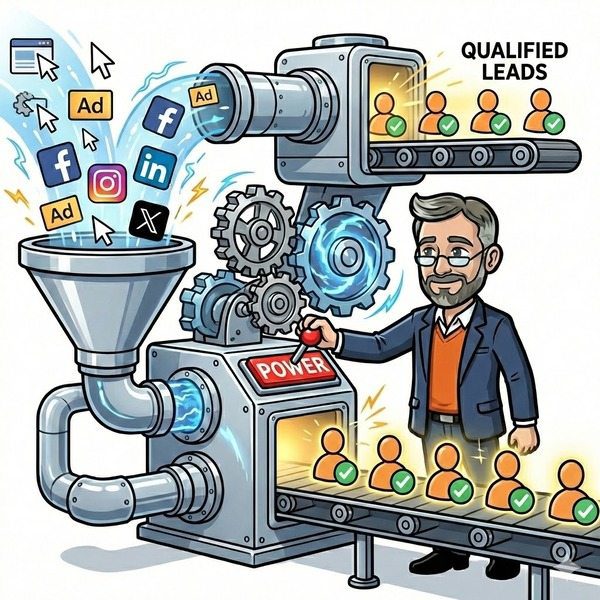
This article walks through practical, channel-by-channel tactics for agriculture lead generation, from local SEO and PPC advertising to email marketing, social media marketing, and CRM, all designed to connect your marketing activity to qualified leads and real revenue.
Understand Your Agricultural Buyer Segments Before You Spend a Dollar
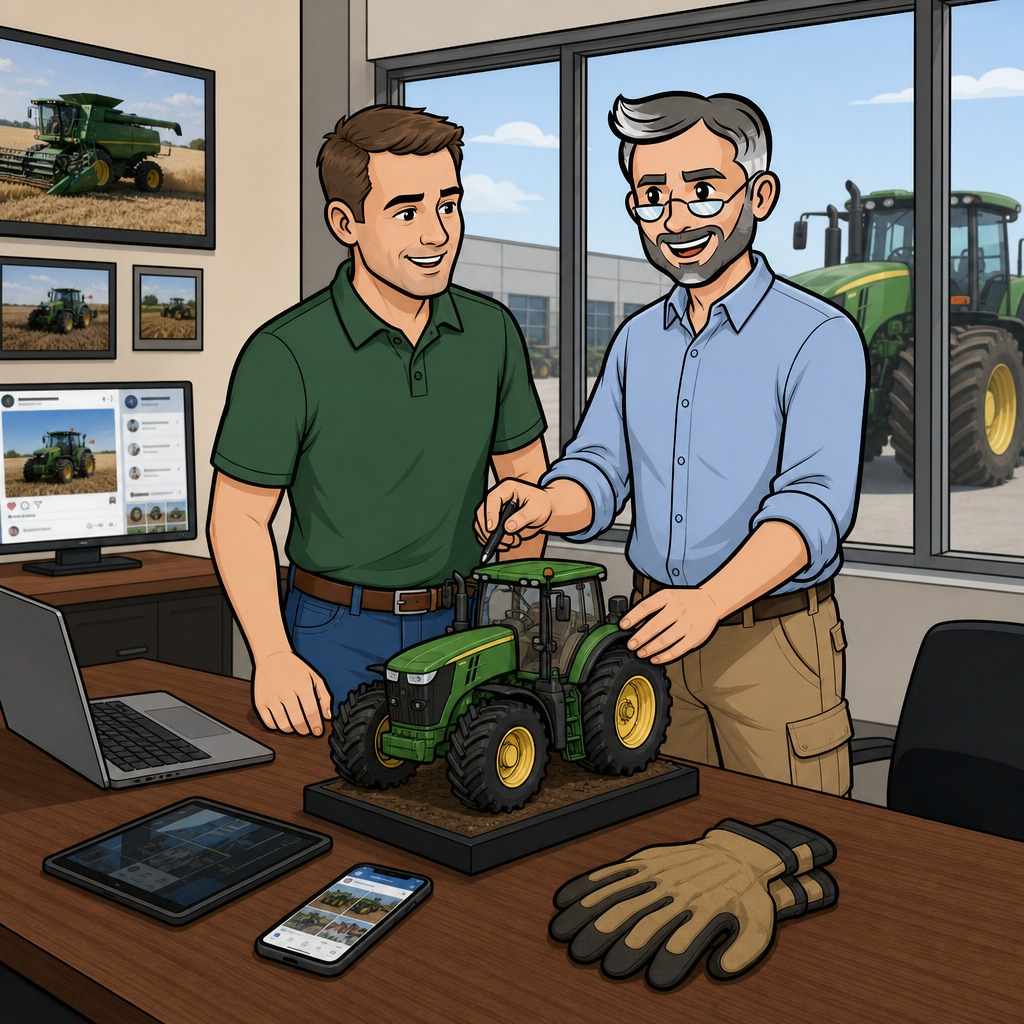
Every dollar you spend on digital marketing strategies becomes more effective when you know exactly who you are trying to reach. Creating a precise Ideal Customer Profile by crop type, farm size, geography, and equipment fleet is foundational. Without it, you end up sending the same message to a hobby farmer on 80 acres and a 5,000-acre enterprise operation, and neither responds.
Here is how segmentation looks in practice with two contrasting ICPs:
- High-hour row-crop owner (2,000+ acres, Midwest corn/soy): Upgrades large tractors (300+ HP) every 4–5 years. Cares about fuel efficiency, uptime, dealer support, resale value, and telematics compatibility. Messaging should emphasize total cost of ownership, proven uptime data, and service network reach.
- Diversified small farm (50–200 acres, mixed livestock and crops): Buying a compact utility tractor and loader for the first time. Priorities are ease of use, affordable financing, versatility, and parts availability. Messaging should use simpler specs, highlight financing options, and stress service proximity.
Simple market research, including customer interviews, dealer feedback, and CRM win-loss notes, reveals what each segment actually values. Effective SEO targets specific search behaviors of farmers within each segment. Generating leads from existing customers is also vital for an equipment business’s revenue strategy, so do not overlook your current customer base during segmentation. Building partnerships with local agronomists and co-ops also helps surface insights about what potential customers in each area need most.
This segmentation later powers personalized outreach, CRM lead scoring, email nurturing sequences, and audience targeting for PPC and paid social campaigns.
Local SEO: Turn Nearby Farmers into Qualified Leads
Local SEO is the fastest, highest-intent lead source for equipment dealers and service locations in 2026. When a farmer searches “John Deere planter repair near me” or “used 300 HP tractor Kansas,” they have genuine purchase intent. Using local SEO can significantly improve search rankings for equipment suppliers and put your dealership in front of agricultural buyers at the moment they are ready to act.
A complete Google Business Profile increases reputation by 2.7 times. For each dealership or branch, optimize your profile with:
- Accurate name, address, phone (NAP consistency across all directories)
- Updated hours, including seasonal changes during planting and harvest
- Real photos of your yard, shop, and inventory
- Weekly posts about promotions, new arrivals, or service specials
- Click-to-call buttons, “Request a Quote” and “Schedule Service” CTAs
On your website, build location-specific pages optimized with city and county terms, use schema markup for local business data, and maintain consistent directory listings. Digital leads should be quickly routed to local dealers for timely follow-up, so connect form submissions and calls directly to the nearest rep.
Watch for local SEO pitfalls: duplicate listings across platforms, outdated seasonal hours, and ignoring customer feedback in reviews. Each of these quietly costs you qualified leads.
Build High-Converting Landing Pages for Ag Equipment Offers
Generic homepages rarely convert. When a farmer clicks an ad for a used 8R Series tractor, they expect to land on a page about that tractor, not your company’s “About Us” section. Dedicated landing pages for specific equipment categories, seasonal service packages, or rental offers dramatically improve conversion rates.
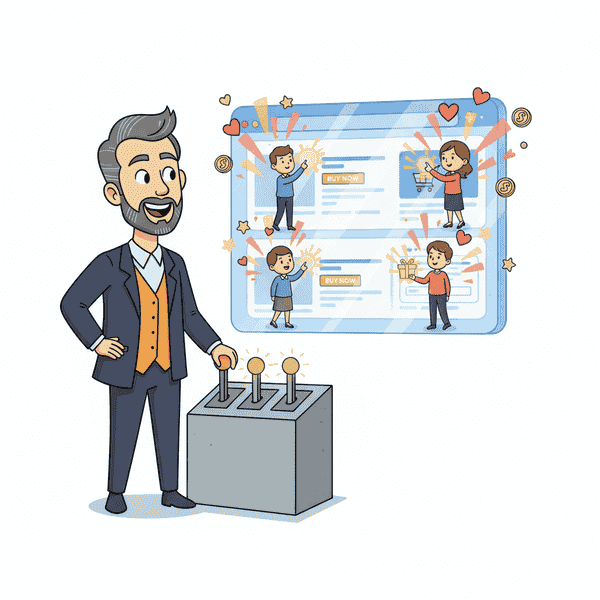
An effective agricultural equipment landing page includes:
- A clear headline matching the visitor’s search intent (e.g., “Used 8R Series Tractors in Central Illinois”)
- Trust signals: years in business, factory-trained technicians, success stories
- Concise spec tables and detailed product descriptions that enhance buyer understanding and confidence
- Financing highlights and trade-in value estimates
- A visible, short form: name, phone, zip code, equipment interest
High-quality visuals boost buyer confidence in agricultural equipment, so include real photos of your inventory rather than stock images. High-quality inventory listings are essential for attracting used equipment buyers specifically.
Mobile friendly design is non-negotiable. With 58% of agricultural website traffic on mobile devices, forms need large tap targets, click-to-call buttons, and layouts that work inside a tractor cab on weak rural data. Well-built landing pages improve both organic traffic performance and paid media results by turning more clicks into leads.
PPC Advertising: Capture High-Intent Agricultural Equipment Buyers Fast
Search-based PPC advertising through Google Ads and Microsoft Ads puts your dealership in front of potential buyers searching for specific equipment like “buy 2025 Case IH Magnum 340 price” or “self-propelled sprayer lease Nebraska.” Ag-specific digital advertising involves geo-targeted campaigns on ad platforms like Google Ads and Meta, matched to your dealership footprint.
Structure campaigns for maximum efficiency:
- Separate by product category: tractors, combines, hay tools, compatible attachments, tillage equipment
- Separate by intent: research queries vs. purchase-ready queries
- Map each ad group to a relevant dedicated landing page, never the homepage
- Geo-target by radius around stores, county-level zones for key production regions, and bid adjustments in your most profitable territories
High transaction values justify higher cost-per-click bids, but always measure cost per qualified lead, not just clicks. Social media ads can also target farmers based on interests and location through paid ads on Facebook and Instagram. Set up conversion tracking for forms, phone calls, and demo bookings.
Remarketing campaigns targeting visitors who viewed specific equipment pages or abandoned lead forms can re-engage potential customers with financing calculators, limited-time offers, or demo invitations.
Content Marketing That Mirrors the Ag Equipment Buying Cycle
Farmers conduct extensive research before purchasing equipment, often months before a transaction. Content marketing builds trust with agricultural equipment buyers by keeping your brand present through planting, spraying, harvest, and year-end tax planning. About 50% of farmers identify as “fast followers” who wait for proof of performance before adopting, and 62% rank ROI and payback as their top concern. Effective content marketing answers farmers’ questions throughout the buying cycle.
Content that works goes beyond generic blog posts:
- Model vs. model comparisons (e.g., combine A vs. combine B on fuel per acre)
- Five-year cost of ownership breakdowns for new equipment versus used
- Seasonal combine maintenance checklists and preseason planter setup guides
- Trade-in value guides and explainers on telematics or precision ag retrofits
- Section 179 tax planning content published in Q4
Content like maintenance checklists outperforms generic dealership promotions because it addresses real operational challenges. Seasonal marketing is crucial in agriculture due to fluctuating buying intent throughout the year, so map content to the agricultural calendar: planter guides in February and March, combine inspection content in July and August, tax strategy articles in October through December.
SEO improves website visibility for agricultural equipment suppliers, and effective keyword strategies improve search rankings for agricultural equipment. Businesses that invest in search engine optimization through content have seen results as dramatic as a 672% increase in organic traffic. Use keyword research to identify symptom-based searches like “sprayer boom won’t level hillside” or “tractor DPF problems in cold weather” that suggest real buying or service intent.
Pair content with lead magnets: downloadable ROI calculators, yield improvements worksheets, or dealership-specific local planting guides gated behind short forms to attract leads and capture contact information from qualified prospects.
Email Marketing and Lead Nurturing for Long Farm Equipment Sales Cycles
Email marketing is cost-effective for maintaining customer relationships across long sales cycles that can stretch over multiple crop seasons. It relieves your sales team from constant manual follow-up while keeping your dealership top of mind.
Segmenting email lists increases engagement and conversion rates. Segment by farm size, crop type, equipment interest, and stage:
- New lead welcome series: Introduce the assigned sales rep, link to recent equipment video content, share a financing overview
- Post-demo follow-up: Reinforce key benefits, offer trade-in appraisal, address common objections
- Seasonal service reminders: Tie to local climate patterns and the agricultural calendar (e.g., pre-harvest combine checks)
Automated emails nurture leads over long sales cycles without manual effort. Personalized email content improves customer relationships because it signals that you understand each prospect’s specific situation. Engaging email content can include tips, product updates, operator training videos, and case studies from real farms in the same region.
Use marketing automation or CRM to trigger emails after form fills, downloads, event attendance, and quote requests. Track open rates, click rates, and response rates tied to opportunities so you can see which sequences actually move potential buyers toward a purchase.
Social Media Marketing: From “Nice-to-Have” to Reliable Lead Source
The myth that farmers are not active on social media platforms died years ago. Social media platforms engage directly with agricultural audiences, and Facebook is the strongest platform for reaching agricultural buyers in 2026, followed by YouTube and Instagram.
An organic social media strategy for farm equipment should include:
- Inventory spotlights with real photos and specs
- Before-and-after rebuild stories
- Customer delivery photos (with permission)
- Quick tech tips and field-work time-lapses
- Video content, which significantly influences farmers’ purchasing decisions
Video marketing enhances trust and engagement for agricultural buyers considering equipment purchases. Short reels of combine harvest in local fields, Q&A lives with service managers, and polls about preferred PTO horsepower ranges all generate engaging content that drives interest in farm equipment.
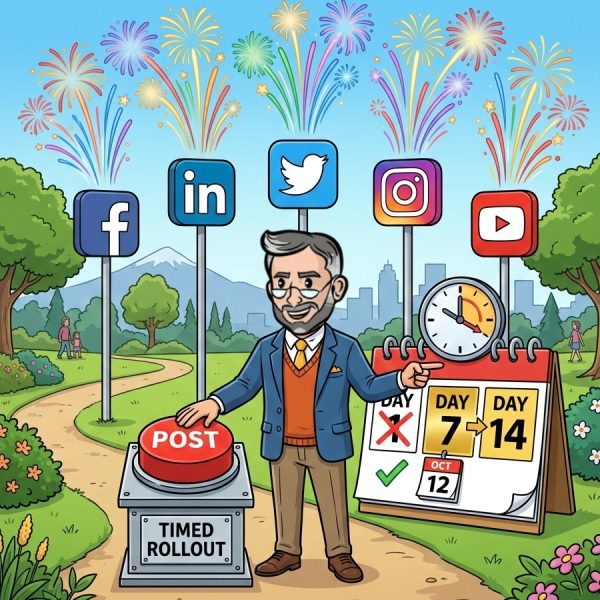
Paid social options extend your reach: Facebook and Instagram ads geo-targeted around your dealership footprint, targeting interests like “corn farming,” “precision agriculture,” and major OEM brands. Promote trade-in events, service clinics, and used-equipment specials. Engaging social media content can drive interest that feeds other channels, building remarketing audiences for PPC campaigns and pushing traffic to your landing pages.
On-Site Conversion: Forms, Lead Magnets, and Privacy-Safe Data Collection
Many agricultural equipment websites get decent traffic but lose leads because forms are too long or unclear. Keep initial forms short: name, phone or email, zip code, and equipment interest. Avoid asking about exact acreage or yield upfront. Seller reputation and proof of performance are critical for converting leads in agricultural equipment, so place trust signals near every form.
Interactive tools like ROI calculators can capture leads by solving immediate issues for farmers. Web-based lead magnets should solve practical problems for farmers to be effective. Consider:
- ROI or yield improvements calculators for new sprayers or planters
- Total cost of ownership comparison tools
- Downloadable maintenance guides and seasonal checklists
Beyond web forms, offer click-to-call buttons, SMS links, and “text me this quote” options for mobile-first capture. These work when agricultural buyers are sitting in a tractor cab with limited connectivity.
Build trust with short privacy statements and clear expectations about follow-up, such as “A local rep will call you within one business day, no spam.” Transparency converts more visitors into leads.
Analytics, CRM, and Measuring True Revenue Impact
Lead generation success is not about pageviews or social media likes. It is about tracked qualified leads, quotes, demo bookings, and closed deals tied back to specific marketing campaigns and digital strategies. Implementing a CRM system is crucial for tracking leads and managing follow-ups efficiently.
What to track with Google Analytics and your ad platforms:
- Traffic by source (organic, paid, social, email, referral)
- Form submissions, phone calls, quote requests, and demo bookings
- Revenue per channel and cost per qualified lead
- Key performance indicators like conversion rates by landing page
Configure your CRM with fields that matter for agriculture companies: crop type, acreage range, current equipment fleet, preferred dealer, and purchase timeline. Set routing rules by territory or product line so leads reach the right rep fast. Campaigns should align with the agricultural calendar to maximize effectiveness across your reporting.
Address the “dealer black hole” problem where manufacturer-generated leads disappear. Require status updates, set follow-up SLAs, and build simple dashboards that show follow-up speed and outcomes. Hold monthly reviews where sales and marketing teams assess which campaigns generated qualified leads, what closed, what stalled, and which marketing strategies should be expanded or paused.
Common Mistakes That Kill Agricultural Equipment Lead Generation ROI
Avoiding a handful of recurring mistakes can immediately improve cost per qualified lead and close rates in competitive markets.
Strategic mistakes:
- Relying solely on trade shows and cold calls for new customers
- Launching PPC without dedicated landing pages
- Ignoring local SEO while competitors claim the Local Pack
- Keeping outdated inventory and pricing online
Digital-specific errors:
- Sending all paid ads traffic to the homepage
- Using the same targeted messaging for 50-acre hobby farms and 5,000-acre enterprises
- Not tracking phone calls as conversions in Google Analytics
Operational issues:
- No clear owner for lead follow-up
- Leads handed to dealer networks with no accountability
- Sales reps keeping notes in spreadsheets instead of CRM
Strong offline tactics such as field days and equipment demonstrations remain important in agriculture, and referral and loyalty programs leverage word-of-mouth among farmers effectively. But these must be integrated with digital, not treated as separate efforts. Equipment demonstrations and field days are effective for selling agricultural machinery, especially when paired with pre- and post-event digital nurturing.
Run a simple audit: website conversion review, local SEO review, campaign tracking review, and CRM process review. These four checks are the fastest way to find fixable gaps.
How to Choose the Right Marketing Partner for Agricultural Equipment Lead Generation

Many generalist agencies struggle with agriculture’s long sales cycles, rural connectivity issues, and complex dealer partnerships. When evaluating potential partners, look for:
- Proven experience with equipment manufacturers, equipment dealers, and rental fleets
- Understanding of the agricultural calendar and how it shapes buyer behavior
- Ability to tie marketing campaigns to pipeline and revenue, not vanity metrics
- Integrated capabilities: website development, SEO, PPC advertising, content marketing, email automation, CRM setup, and reporting dashboards
Ask for specific case studies showing increased qualified leads for tractors, combines, sprayers, or rental operations, along with concrete percentage or volume gains. The right partner should function as a revenue consultant who helps prioritize channels and build a realistic roadmap for business growth over the next 6 to 12 months.
Why Choose a Specialized Equipment Marketing Partner for Agricultural Lead Generation
Agricultural equipment marketing is niche. Long sales cycles, technical specs, dealer networks, and regional factors make specialization essential. A strong partner brings deep experience with equipment manufacturers, OEMs, dealers, and rental fleets, and can map digital strategies to the farming calendar with expert guidance that connects to pipeline and more revenue, not just impressions.
The service areas that matter most include website and landing page development optimized for leads, search engine optimization and local SEO for rural and regional markets, paid search and social advertising, content marketing, email automation, and CRM implementation. The best partners speak the language of horsepower, headers, PTO, and telematics. They can sit in the same room as sales leaders, dealership managers, and owner-operators and talk profit, not just traffic. The right relationship should feel like adding a revenue strategy team that understands both modern digital channels and on-the-ground realities of selling farm equipment.
Next Steps: Turn Your Agricultural Equipment Marketing into a Predictable Lead Engine
The dealers and manufacturers winning in 2026 are building systems that attract, qualify, and nurture leads across every season. The key levers are clear: understand your buyer segments, strengthen local SEO, build focused landing pages, use PPC and social for demand capture, and layer content, email, and CRM on top for long sales cycles.
A simple 30–60–90 day action roadmap:
- Days 1–30: Fix foundational items. Optimize your Google Business Profile, set up call and form tracking, update your main inventory and service pages for search rankings.
- Days 31–60: Launch or clean up key campaigns. Start targeted Google Ads, build dedicated landing pages for top equipment categories, and begin a seasonal email sequence.
- Days 61–90: Add advanced layers. Publish content mapped to the agricultural calendar, launch social media marketing campaigns, refine CRM lead scoring, and hold your first sales-marketing pipeline review.
Ready to turn your digital presence into a predictable source of more customers and more revenue? Reach out for a lead generation audit, schedule a consultation about your current marketing strategy, or request a custom plan built around your territory and sales goals. Whether you start with a quick review of your existing website and campaigns or a full-channel buildout, the first step is the one that matters most.
Frequently Asked Questions About Agricultural Equipment Lead Generation
Below are answers to the most common questions we hear from equipment dealers, OEMs, and agriculture companies exploring digital marketing strategies for lead generation.
How long does it take to see results from agricultural equipment lead generation?
Quick wins like optimized Google Business Profiles, call tracking, and basic PPC campaigns can produce more leads within 30 to 60 days. Search engine optimization and content marketing typically show significant compounding results over 6 to 12 months, especially for competitive tractor and combine keywords. Keep in mind that capital equipment may take 9 to 18 months to close even with solid lead flow, so track marketing metrics before revenue fully catches up.
Which marketing channels work best for generating qualified ag equipment leads?
Local SEO and Google Ads are usually the highest-intent channels because they catch buyers actively searching for specific equipment or service. Content marketing and email marketing are critical for long-term nurturing across seasons. Social media and video content play a major role in trust-building and awareness, particularly among younger operators and next-generation decision-makers who spend time on social media platforms.
How should agricultural equipment companies measure lead quality?
Track more than just lead volume. Look at the percentage of leads that request quotes, schedule demos, or visit the dealership, plus eventual close rates. Use CRM fields like acres farmed, equipment type, purchase timeline, and financing needs to rank lead quality through predictive analytics. Establish regular feedback loops from sales reps and local dealers to refine what “qualified” means and adjust campaigns accordingly.
What budget should an ag equipment dealer allocate to digital marketing?
Budgets vary by market size and inventory, but many dealers start by investing 3 to 7 percent of annual new and used sales revenue into marketing with a strong digital allocation. Split initial spend across foundational items (website, tracking, local SEO, Google Analytics) and variable spend (PPC, paid social), then adjust monthly based on cost per qualified lead. Even modest budgets perform well when tightly focused on high-intent searches and well-designed landing pages in a defined territory.
How do seasonal patterns affect agricultural equipment lead generation?
Farmers research and buy in distinct windows: pre-planting equipment interest peaks in late winter, mid-season upgrade needs arise during growing season when farmers need real-time support and solutions, pre-harvest combine and grain cart searches climb in summer, and year-end tax planning drives Q4 activity. Build marketing campaigns around these patterns and maintain always-on lead capture in off-peak months to warm up next season’s potential buyers early.
Do agricultural equipment companies still need trade shows if digital lead generation is strong?
Trade shows, field days, and demo events remain powerful high-trust lead sources for big-ticket items and new technology. Digital marketing should amplify these events through pre-event email and social promotion, landing pages for registration, and post-event nurturing with valuable insights, photos, videos, and follow-up offers. Measure event ROI by capturing attendee data in CRM the same day and tracking deals influenced by each show.