
Table of Contents
Introduction: Why Construction Equipment Marketing Needs a Rethink in 2026
What Is Construction Equipment Marketing?
How the Construction Equipment Market Changed Since 2019
Understanding Today’s Construction Equipment Buyer Journey
Defining Ideal Buyers and “Equipment Fit”
Positioning in a Crowded Heavy Construction Equipment Market
Search Visibility: Capturing High-Intent Demand
Website Strategy for Construction Equipment Marketing
Content Marketing That Reduces Risk for Buyers
Search Engine Marketing (SEO + Paid) for Construction Equipment
Local and Regional Visibility: Owning Your Territory
Social Media and Video for Heavy Construction Equipment
Email Marketing That Feels Useful to Contractors and Fleet Managers
Using CRM, Automation, and Analytics in Long Sales Cycles
Common Construction Equipment Marketing Mistakes
Trends Shaping Heavy Construction Equipment Marketing Through 2030
What to Know Before Hiring a Construction Equipment Marketing Partner
Why Choose a Specialist for Construction Equipment Marketing
Building a Construction Equipment Marketing System That Compounds
Next Steps: Turn Your Construction Machinery Marketing into Revenue
FAQs About Construction Equipment Marketing
Introduction: Why Construction Equipment Marketing Needs a Rethink in 2026
Construction equipment buyers in 2026 don’t wait for a sales rep to call. They research machines, compare specs, evaluate dealers, and shortlist suppliers online – often months before anyone on your sales team knows they exist. With infrastructure spending surging across the US, Canada, and parts of Europe, demand for heavy construction equipment is strong, but so is competition. This article explains how to build a modern construction equipment marketing system that increases qualified enquiries and conversion rates across sales, rentals, and service.
Too many businesses in the construction industry still lean almost entirely on word of mouth and trade shows. Those channels still matter, but they can’t carry a whole pipeline when buyers expect transparent pricing, real-time inventory, and detailed specs at their fingertips. Long sales cycles for machines like excavators and dump trucks compound the problem – if you’re not visible and credible during those early research months, you’re not making the shortlist.
This guide is written for manufacturers, OEMs, dealers, rental fleets, and distributors selling into construction and adjacent sectors like mining, material handling, and infrastructure. Whether you’re moving compact equipment or 40-ton haul trucks, the principles here apply. Let’s get into what actually works.
What Is Construction Equipment Marketing?
Construction equipment marketing is the discipline of selling, renting, and servicing high-value assets – excavators, wheel loaders, dump trucks, cranes, telehandlers, compact machines – through a coordinated mix of digital and offline channels. It’s distinct from general B2B marketing because the stakes are higher: construction equipment is a high cost purchase, machines cost anywhere from $150,000 to $800,000 or more, downtime on construction sites can run thousands of dollars per hour, and buyers need confidence that the equipment, the dealer, and the service network will all perform.
Effective construction machinery marketing reduces uncertainty for contractors, fleet managers, and procurement teams. It’s not about flashy campaigns or glossy brochures. It’s about answering the questions that matter – uptime, parts availability, warranty terms, total cost of ownership, and lifecycle support – before the buyer has to ask.
This means marketing, sales, and service must operate as a single system. Buyers care as much about how quickly a technician shows up after a breakdown as they do about engine horsepower. If those functions are siloed inside your organization, the buyer experience suffers and you lose deals to competitors who present a more unified front.

How the Construction Equipment Market Changed Since 2019
Before 2019, the heavy construction equipment market ran on local dealer dominance, handshake relationships, and repeat customers driving the majority of revenue. Many businesses didn’t need a website beyond a basic landing page because referrals and trade shows filled the pipeline.
The 2020–2022 pandemic years changed that. Supply chain constraints disrupted lead times for machines and parts, labor shortages made it harder to find skilled operators, and buyers were forced to research alternatives online. Contractors who previously stuck with one brand started comparing specs, support packages, and financing across multiple OEMs. Used equipment purchase intent rose steadily – in 2025, 32 percent of contractors planned to buy used machines, up from 27 percent the year before.
From 2023 to 2026, several forces accelerated the shift. Infrastructure acts in the US and green-deal projects in Europe drove demand. Tightening emission standards increased machinery costs and complexity, pushing buyers to scrutinize total cost of ownership more carefully. The global heavy construction equipment market is projected to reach USD 226.91 billion by 2033, growing at a CAGR of 5.1 percent from 2026 to 2033. Asia Pacific accounted for 40–45 percent of the heavy construction equipment market in 2025, underscoring how global and competitive the landscape has become.
The competitive landscape now includes new entrants offering simpler, lower-cost machines that meet a “good enough” threshold. For established OEMs and dealers, the old model of relationship-only selling is no longer sufficient. Buyers compare specs, support, and financing options across multiple suppliers before contacting anyone. The heavy construction equipment market faces a skilled labor shortage in North America, adding pressure to find operators, technicians, and salespeople – which makes marketing efficiency even more critical.
Understanding Today’s Construction Equipment Buyer Journey
A realistic buyer journey for construction equipment starts with a trigger event – a machine failure, a new project win, a regulation change, or capacity constraints on an active job. From there, the buyer moves through online research, peer consultation, shortlisting, site visits or demos, and final approval by finance or ownership.
High-value machinery investments typically involve long buying cycles. A planned capital purchase for a new fleet addition can take six months or longer from initial research to signed contract. Urgent needs – replacement rentals, emergency service, a specific attachment for an active project – compress that timeline dramatically.
The roles involved matter for your messaging:
| Role | Primary Concern |
|---|---|
| Owner-operators | Total cost, brand reputation, resale value |
| Project managers | Power, specs, attachments for the job |
| Fleet managers | Uptime, reduced downtime, maintenance costs |
| Equipment superintendents | Operator comfort, safety, ease of use |
| Procurement / Finance | Price, financing options, long term contracts |
Heavy equipment buyers conduct extensive research before interacting with sales. A survey of over 100,000 global equipment buyers found that 73 percent now need significantly more information – real-world performance data, operating costs, ROI, peer reviews, and case studies – than they did just a few years ago. Your content and campaigns must align to each stage: diagnostic content early (what size machine fits my project?), comparison content mid-funnel (brand A vs. brand B for urban excavation), and ROI or financing clarity at the decision stage.
Defining Ideal Buyers and “Equipment Fit”
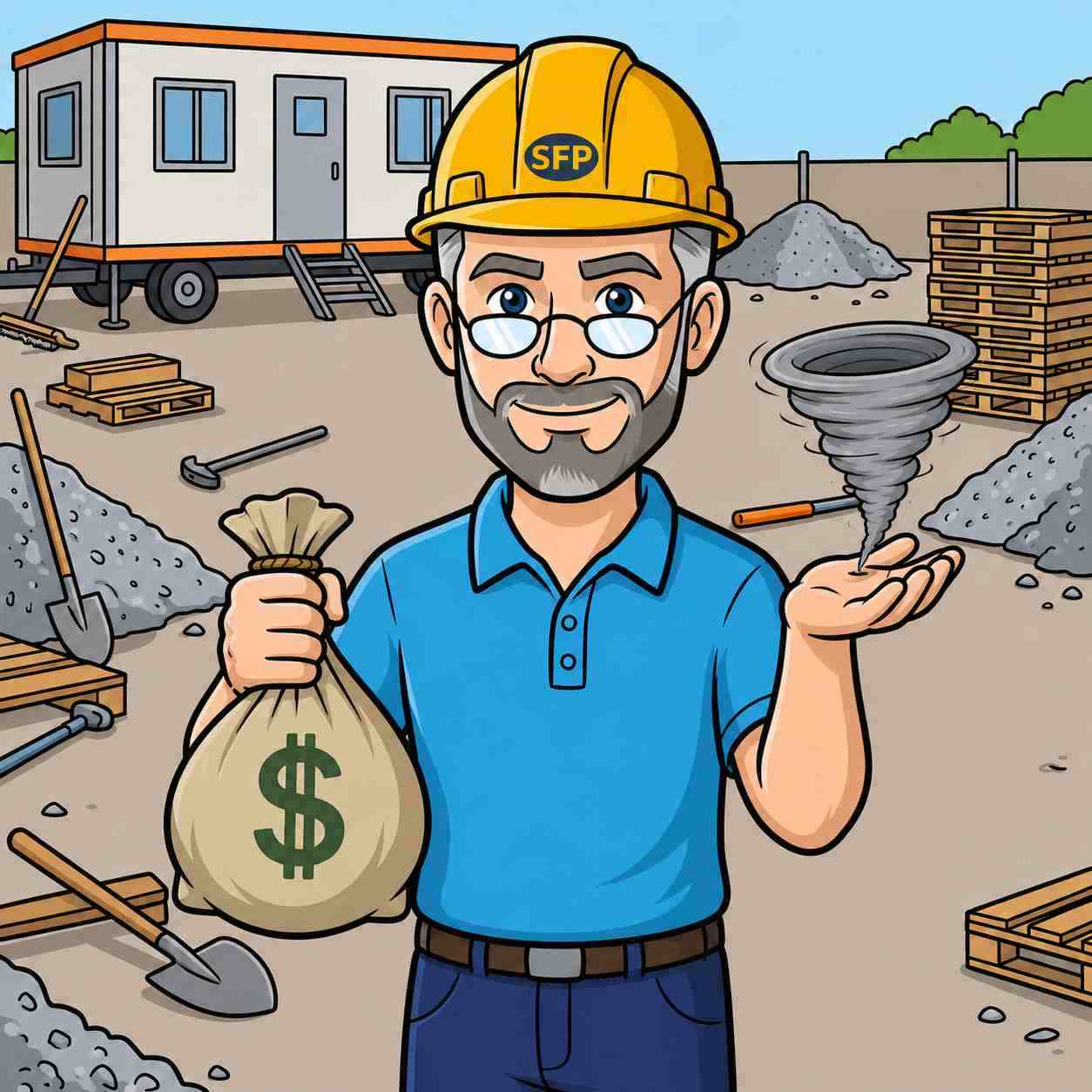
Stop trying to sell every machine to everyone. Segment your market by job type – roadbuilding, earthmoving equipment applications, demolition, utilities, mining – and tailor your messaging accordingly.
Define “equipment fit” for each segment by asking: What application? What project scale? What brands do they already own or prefer? What engine capacity, power output, and attachments are standard for their work? A regional civil contractor buying 30-ton excavators for highway expansion has completely different priorities than a quarry operator evaluating rigid dump trucks or a utility company shopping for compact machines.
Build three to five detailed buyer profiles and align web pages, email marketing flows, and sales collateral to each profile and equipment category. For example, a profile for fleet buyers at mid-size earthmoving companies might emphasize telematics integration, service response times, and bundled maintenance packages. A profile for rental companies focuses on operational flexibility, utilization rates, and fast turnaround on delivery and pickup. This segmentation directly impacts how you write landing pages, set up ad campaigns, and brief your sales team.
Positioning in a Crowded Heavy Construction Equipment Market
Visit five dealer websites in any region and you’ll find nearly identical messaging: “quality, reliability, and great service.” Without proof or focus, those claims are invisible to buyers who hear the same thing from every supplier.
Position around operational promises instead of adjectives. Guaranteed service response times, uptime commitments, fleet monitoring dashboards, and training support are far more compelling than generic claims. Robust dealer support is crucial to meet buyer expectations in heavy machinery sales, so if your service network is a genuine strength, quantify it and put it front and center.
Try plotting your competitors on a simple matrix – price vs. lifecycle support, for instance – to find a positioning gap. If every competitor clusters around “mid-price, decent support,” there may be an opening for “premium support at market pricing” or “fastest field service in a 200-mile radius.”
Choose a clear lane and express it consistently across your website, bids, proposals, and sales conversations. If you specialize in earthmoving fleets, own that. If your strength is 24/7 service coverage in remote areas, make it impossible for buyers to miss.
Marketing heavy equipment requires transparency in operational proof and pricing. Buyers who can see real numbers – average response time, parts fill rates, uptime percentages – trust those claims far more than companies that hide behind vague promises.
Search Visibility: Capturing High-Intent Demand
In 2026, most urgent buyers start with a search engine. Queries like “excavator rental near me,” “used dump truck 40 ton for sale Houston,” or “Cat dozer service 24/7” signal immediate purchase or rental intent. Search engine marketing is crucial for reaching potential customers effectively, and capturing this demand is where revenue starts.
Not all keywords are equal. There’s a big gap between vanity traffic keywords (“construction equipment news”) and revenue keywords tied to RFQs, rentals, and service calls. Focus your energy on queries where the searcher has money in hand and a timeline.
Keyword research for heavy construction equipment should include:
- Equipment-specific terms (excavator, wheel loader, skid steer, telehandler)
- Intent modifiers (for sale, rental, lease, service, repair, parts)
- Location modifiers (cities, counties, major highways, industrial parks)
- Brand + model combinations (John Deere 350G, Cat D6, Volvo A40G)
- Targeting specific model numbers in PPC campaigns captures high-intent search traffic
Build dedicated SEO landing pages for each core revenue theme – sales, rentals, parts, service, and financing – broken down by each major equipment category. Building specialized landing pages for each equipment model enhances digital marketing effectiveness and gives search engines clear signals about what you offer and where.
Website Strategy for Construction Equipment Marketing
Your website should function as a 24/7 sales engineer, not a digital brochure. Visitors should be able to answer three questions within seconds of landing: Can I buy this machine here? Can I rent it? Can I get it serviced?
Must-have sections for a modern equipment website:
- Real-time or near real-time inventory with filters by equipment category, year, hours, power output, condition (new/used), and attachments
- Service coverage areas and response time commitments
- Financing and rental options with at least basic calculators or clear next-step CTAs
- Case studies from recent projects showing actual results (reduced downtime, fuel efficiency improvements, project completion data)
- Detailed spec pages with dimension tables, performance curves, fuel consumption, emissions data, and safety features
Online presence is critical for educating buyers before they contact sales representatives. If your site doesn’t provide the depth of information buyers need, they’ll find it on a competitor’s. High-converting landing pages are essential for capturing leads in heavy machinery marketing – every major page should have a clear path to a quote request, demo booking, or service inquiry.

Optimize for mobile-first usage. Superintendents and foremen browse from construction sites on smartphones. They need one-tap call buttons, simple forms, and fast load times – not PDF downloads that won’t open on a phone.
Content Marketing That Reduces Risk for Buyers
Content marketing in this industry isn’t about publishing blog posts for the sake of SEO. It’s decision support – helping buyers avoid downtime, safety incidents, and budget overruns. Content marketing should focus on reducing contractor’s perceived risks in purchasing and showing that you understand their operational reality.
Effective content types include:
- Jobsite case studies: “How we sized this excavator for a 2025 highway expansion in Colorado”
- Operational comparisons: “Buying vs. renting heavy construction equipment for multi-year infrastructure projects”
- Technical guides: “5 ways telematics cut idle time by 18% for a regional contractor”
- Maintenance guides: seasonal inspection checklists, pre-winter service reminders
Educational content can help contractors assess the value and applications of equipment they haven’t used before – especially as electrification and new machine categories enter the market. Effective marketing for construction machinery focuses on showing operational ROI and total cost of ownership, not just features and horsepower.
Map each major page or article to a measurable step in the funnel: quote request, demo request, service booking. If a piece of content can’t be connected to a revenue action, reconsider whether it’s worth producing.
Search Engine Marketing (SEO + Paid) for Construction Equipment
Organic SEO and paid search should work together – SEO for long-term demand capture, PPC for immediate visibility on high-intent terms and seasonal campaigns. Digital marketing increases sales by targeting specific demographics, but only when the structure is right.
Common PPC mistakes in the construction equipment market:
- Sending ad clicks to generic homepages instead of intent-aligned landing pages
- Bidding on overly broad terms like “construction equipment” without location or intent modifiers
- Ignoring negative keywords (job seekers, students, Wikipedia researchers)
- Failing to track calls, demos, and service requests – measuring clicks instead of revenue
One case in the industrial equipment space saw cost per acquisition drop from roughly $402 to $188 after restructuring ad groups by equipment category and intent, cleaning up negative keywords, and directing traffic to specific product pages. Paid marketing targets urgent intent to generate leads quickly, but it burns money fast when the targeting is sloppy.
Recommended ad group structure:
| Ad Group Theme | Example Keywords |
|---|---|
| Excavator Rental [Region] | “excavator rental Dallas,” “mini excavator rent near me” |
| Used Wheel Loader Sales | “used wheel loader for sale financed,” “Cat 950 for sale” |
| 24/7 Crane Repair | “crane repair emergency,” “mobile crane service tonight” |
SEO improves visibility in local search results for equipment companies and builds compounding traffic over time. The most effective approach pairs organic content clusters by buyer intent with PPC that fills gaps on high-value, competitive terms. Digital marketing is more cost effective than traditional advertising methods when campaigns are properly segmented and tracked.
Local and Regional Visibility: Owning Your Territory
For dealers, branches, and rental yards, local SEO is where the money is. When a contractor searches “heavy equipment rental near me” or “crane service in Alberta oil sands,” you need to show up – in the map pack and in organic results.
Start with the basics:
- Optimize your Google Business Profile, Bing Places, and key industry directories with accurate NAP data, service descriptions, and equipment categories listed
- Publish location-specific landing pages with real project examples: “Heavy construction equipment rental in Dallas–Fort Worth” or “Excavator service in the Permian Basin”
- Encourage customer reviews that mention specific equipment and job types – these build credibility and improve conversion rates from local searchers
Distributing fleet data across multiple channels increases asset visibility for heavy equipment, so make sure your inventory feeds into marketplace listings, directory profiles, and your own location pages consistently.
Social Media and Video for Heavy Construction Equipment

Realistic, jobsite-focused content outperforms polished stock imagery for this audience. Buyers want to see machines working in real conditions – mud, dust, rock, concrete. Engaging content showcases construction equipment in action and builds trust faster than any studio photoshoot.
Video content is becoming essential for equipment evaluation. Using video demonstrations is effective in showcasing machinery performance, especially for buyers who can’t visit a yard or jobsite in person. Short-form videos (20–60 seconds) showing walkarounds, start-up checks, and quick demos of attachments perform well on LinkedIn, YouTube Shorts, and TikTok.
Social media advertising targets specific audiences effectively – you can narrow by job title, industry, geography, and company size to reach decision makers at contracting firms and fleet operations. Social media marketing builds brand awareness beyond traditional methods, and effective social media content reduces buyer uncertainty by showing real machines doing real work.
Highlight operators and technicians as “faces” of your brand. The use of influencer advocacy can enhance marketing efforts in heavy machinery – operators with respected followings can provide authentic endorsements that carry more weight than corporate messaging.
Tie every social post to a measurable goal: clicks to inventory pages, event sign-ups, or service booking pages. Likes and impressions are nice, but they don’t move iron.
Email Marketing That Feels Useful to Contractors and Fleet Managers
Email marketing keeps businesses top of mind with potential customers, especially during the long months between initial research and final purchase. It’s the channel that nurtures long sales cycles, promotes seasonal offers, and bridges the gap between projects.
Segment your lists by buyer type (contractor vs. municipality vs. quarry), equipment owned, and service history. A fleet manager running a dozen Cat excavators doesn’t want to see promotions for compact loaders.
Specific email series that deliver value:
- New machine launch campaigns with specs, availability, and financing
- “Pre-winter maintenance” checklists with links to schedule service
- End-of-year capital budgeting guides tied to Section 179 or similar tax incentives
- Used inventory alerts matched to the recipient’s past inquiries
Email marketing can effectively connect with potential customers when the content is relevant. Clear subject lines, concise copy, links to specific inventory or service pages, and downstream tracking in a CRM turn email from a broadcast channel into a revenue tool.
Using CRM, Automation, and Analytics in Long Sales Cycles
A CRM is essential in the heavy construction equipment market. Opportunities can span months or years, and without a system of record, deals get lost when salespeople leave, territories shift, or key stakeholders change roles.
CRM automation can enhance lead management in equipment sales by scoring leads based on behavior – RFI downloads, repeated inventory views, service quote requests – rather than just form fills. A fleet manager who has viewed the same wheel loader listing four times in two weeks is a hotter lead than someone who downloaded a generic brochure.
Simple automation workflows that pay off:
- Follow-up emails after demos or yard visits
- Reminders before leases expire or rental agreements come up for renewal
- Service reminders based on machine hours or calendar cycles
- Alerts to the sales team when a prospect revisits high-value pages
Tie CRM data to marketing channels so leadership can see which campaigns lead to quotes, machine deliveries, and lifetime value – not just website sessions. This is how you connect marketing spend to actual equipment sales, rentals, and service bookings.
Common Construction Equipment Marketing Mistakes
Many businesses in this industry repeat the same errors:
- Treating equipment as a commodity. A 30-ton excavator is not interchangeable with every other 30-ton excavator. Buyers care about service networks, parts availability, warranty terms, and resale value. Generic messaging ignores all of that.
- Hiding basic commercial details. If potential customers can’t find pricing guidance, financing options, or inventory availability on your site, they’ll go to a competitor who makes it easy.
- Relying on manufacturer brochures. Outdated PDFs and OEM-supplied content makes your business look slow and undifferentiated in a 2026 market.
- Speaking to everyone at once. Fleet managers care about uptime and maintenance cost. Project managers care about power and attachments. Finance cares about total cost. Tailor your messaging.
- Measuring activity instead of outcomes. Impressions and generic leads don’t pay invoices. Focus on qualified enquiries, signed rental agreements, demo-to-close ratios, and service revenue.
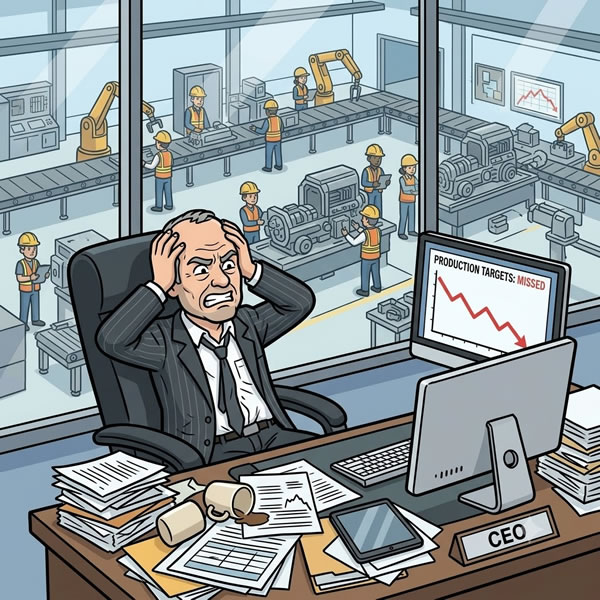
Attending industry trade shows allows for direct interaction with potential buyers, but treating events as your entire marketing strategy is a risk. Trade shows supplement a digital foundation – they don’t replace one.
Trends Shaping Heavy Construction Equipment Marketing Through 2030
Several macro trends will reshape how companies market construction machinery over the next few years:
Electrification and emissions. Electric and hybrid equipment adoption is driven by government sustainability targets. Tightening emission standards are already increasing machinery costs and complexity, and buyers will increasingly evaluate machines based on regulatory compliance and fuel efficiency alongside traditional specs.
Automation and telematics. Autonomous haulage, remote diagnostics, and predictive maintenance are moving from pilot programs to standard expectations. Buyers want machines that connect, report, and reduce downtime without manual intervention. Construction machinery buyers prioritize transparency in technical specifications and maintenance histories, and telematics data will become a key marketing asset.
Video-first evaluation. Digital showrooms can utilize immersive technologies to enhance customer experience. Virtual walkarounds, remote inspections, and comparison-style content (“excavator A vs. excavator B for urban work”) are influencing shortlists long before a buyer sets foot on a dealer lot. Live demonstrations are effective for showcasing the capabilities of machinery, but virtual demos extend that reach dramatically.
AI and content. AI-assisted content is increasing volume across the industry, but field-tested, experience-based content – real jobsite data, operator interviews, project-specific case studies – is becoming more valuable and scarce. The companies that invest in original, technically accurate content will stand out.
The growing emphasis on lifecycle narratives – uptime guarantees, remote diagnostics, data-driven maintenance – means marketing is no longer about selling a machine once. It’s about selling uptime, support, and total cost of ownership across the machine’s working life.
What to Know Before Hiring a Construction Equipment Marketing Partner
Not every agency understands this industry. Here’s what to look for:
- Heavy equipment experience. Ask for case studies from campaigns that improved quote volume or reduced cost per opportunity for construction equipment, mining equipment, or material handling clients. Generic B2B or SaaS experience doesn’t transfer cleanly.
- Sales cycle fluency. Your partner needs to understand multi-month buying processes, multi-role decision committees, and the difference between a tire-kicker and a fleet buyer with budget authority.
- System integration. The agency should be able to integrate with your CRM, inventory management system, and dealer network processes – not operate in a silo producing reports that never connect to revenue.
- Transparent reporting. Demand pipeline-level metrics: RFQs generated, demo requests, service bookings, cost per qualified lead, lead-to-close ratios. Vanity metrics alone are a red flag.
Heavy construction machinery marketing requires a targeted B2B approach. A partner who specializes in equipment and industrial marketing will understand regulatory pressures, seasonal demand cycles, and how to align marketing with the way your sales team and service operations actually work.
Why Choose a Specialist for Construction Equipment Marketing
Working with a marketing team that focuses specifically on industrial, manufacturing, and heavy construction equipment companies makes a measurable difference. A specialist understands complex, technical sales cycles – the difference between marketing a skid steer to a landscaper and a haul truck to a mining operation. They know how to support dealer networks, align marketing with service operations, and build content that key stakeholders in procurement and fleet management actually trust.
A specialist partner connects your website, SEO, paid media, email marketing, and CRM to the actual revenue pipeline – not just brand visibility. The practical outcomes are more qualified contractors and fleet buyers in the pipeline, better conversion rates, and clearer attribution on what’s driving equipment sales, rentals, and service work. That’s what makes marketing cost effective rather than a line item with no clear return.
Building a Construction Equipment Marketing System That Compounds

The shift from isolated tactics – random ads, manufacturer brochures, one-off trade shows – to a connected system is where the real leverage lives. Every channel should reinforce the next step in the buyer journey: a search ad drives to a specific inventory page, which triggers a retargeting email, which invites to a demo, which feeds into CRM for follow-up by the sales team.
Consistent messaging across web pages, content, ads, email, and sales scripts reduces buyer confusion and speeds up decisions. When a fleet manager sees the same value proposition on your website, in a search ad, in an email, and from a sales rep, trust compounds.
You don’t have to build everything at once. Start with one or two core improvements – rebuild your key service pages, fix your paid search targeting, or launch a single email nurture sequence – and layer on more sophisticated tactics over 6 to 18 months. A well-designed system generates predictable, qualified inbound enquiries without dramatically increasing internal headcount or burning out the sales team.
Next Steps: Turn Your Construction Machinery Marketing into Revenue
The equipment companies winning in 2026 aren’t necessarily the ones with the biggest ad budgets. They’re the ones with systems that turn every website visit, search query, and service call into a measurable step toward revenue.
If your current marketing doesn’t connect to pipeline – if you can’t tell which campaigns deliver qualified leads and which ones just spend money – that’s the gap to close first. Whether you need to rebuild your website, fix your search visibility, launch email nurture for long sales cycles, or finally get your CRM working as a revenue tool, the starting point is an honest look at where leads are leaking today.
Reach out for a pipeline assessment. Find out exactly where your construction equipment marketing can operate more efficiently, deliver better leads, and partner with your sales and service teams to move more iron.
FAQs About Construction Equipment Marketing
How long does it take to see results from construction equipment marketing?
Most companies start seeing measurable improvements in search visibility and lead quality within three to six months of a focused effort. One industrial machinery company saw organic traffic grow over 450 percent and inbound leads increase from 28 to 145 per month within six months of a structured SEO and content program. PPC campaigns can generate leads within days, but optimizing cost per acquisition and lead quality takes consistent refinement over 60 to 90 days. Plan for six to twelve months to build a compounding system.
Which channels usually generate the best leads for heavy construction equipment?
Search – both organic and paid – consistently delivers the highest-intent leads because buyers are actively looking for machines, service, or rentals. Digital marketing reaches a wider audience than traditional methods, and SEO plus PPC together tend to outperform any single channel. Email marketing, trade shows, and referrals remain important, especially for repeat customers and long term contracts. The best results come from a connected system rather than betting on one channel.
How should we budget for digital marketing if most sales come from repeat customers?
Even if your business runs heavily on repeat customers and word of mouth, digital marketing protects you from competitor poaching and captures new demand as projects and regions shift. A reasonable starting budget is 3–5 percent of target revenue from new business. Allocate across SEO, paid search, content, and CRM/email – and measure what actually converts to pipeline, not just traffic. Digital marketing is more cost effective than traditional advertising methods when you track outcomes properly.
What metrics actually matter for a construction equipment dealership or rental fleet?
Focus on metrics tied to money:
- Qualified enquiries (quote requests, demo bookings, service calls)
- Cost per qualified lead
- Lead-to-opportunity conversion rate
- Opportunity-to-close ratio
- Revenue influenced by marketing (machine sales, rental agreements, service bookings)
- Lifetime value (machine + service + parts over time)
Impressions and page views are useful as diagnostic signals, but they aren’t business outcomes.
Do we need separate marketing strategies for sales, rentals, and service?
Yes – at least partially. The buyer intent, urgency, and messaging are different. Someone searching for a rental needs availability and delivery speed. Someone evaluating a purchase needs financing, specs, and warranty terms. Someone needing service wants response time and location coverage. Your website, ads, and email should reflect these differences with dedicated landing pages and campaigns for each revenue stream, even if the brand and positioning are consistent across all three.
How can smaller regional dealers compete with national brands online?
Regional dealers have a built-in advantage: proximity, local knowledge, and personal relationships. Local SEO – optimized Google Business Profile listings, location-specific pages, reviews from local contractors – lets you dominate your service area in search results. National brands have broader reach, but they rarely invest in hyper-local content. A regional dealer with strong local pages, genuine customer reviews, and fast response times can consistently outperform larger competitors in their territory.