
Table of Contents
Introduction: Why Equipment Franchise Lead Generation Needs Its Own Playbook
Define Your Ideal Equipment Franchise Candidate Before You Generate Leads
Build an Equipment-Specific Franchise Lead Generation Strategy
Replace Portal Dependence with Owned Franchise Lead Channels
Turn Anonymous Interest into Qualified Equipment Franchise Leads
Speed-to-Lead, Structured Qualification, and Nurturing for Long Decisions
Connect Marketing, Franchise Sales, and Revenue Data
Common Equipment Franchise Lead Generation Mistakes to Avoid
Why Choose Our Team for Equipment Franchise Lead Generation
Next Steps and Call to Action
FAQs About Equipment Franchise Lead Generation
Introduction: Why Equipment Franchise Lead Generation Needs Its Own Playbook
Recruiting a franchisee for a construction rental fleet or an ag equipment service territory has almost nothing in common with recruiting someone to open a sandwich shop. Equipment franchise candidates need $200,000 to over $1,000,000 in capital for machines, parts inventory, facilities, and technical staff. They operate in B2B environments with seasonal demand, emergency service calls, and complex regulatory requirements around safety and emissions. The standard franchise recruitment playbook, built for retail and food-service brands, falls apart under these conditions.
This article shows equipment franchisors how to generate more high quality leads without over-relying on franchise portals or broker networks. An “equipment franchise lead” here means a prospective dealer-style franchisee, service territory operator, or mobile equipment service partner. Franchise development is the full process of recruiting, qualifying, and onboarding these partners into awarded territories.
We cover building an ideal candidate profile, constructing a multi-channel franchise lead generation strategy, tracking quality over volume, and connecting marketing directly to franchise sales outcomes. Every recommendation is grounded in real B2B equipment sales dynamics and the long buying cycles that define this industry.

Define Your Ideal Equipment Franchise Candidate Before You Generate Leads
Every dollar spent on franchise lead generation before you define who you are looking for is a dollar wasted on the wrong audience. Between 1 and 2 million people request franchise information annually in the U.S., but only 13,000 to 20,000 become franchise buyers each year. For equipment brands, that funnel narrows further because viable candidates need both capital and operational experience.
A strong candidate profile for an equipment franchise includes:
- Financial capability: Liquid capital of $150,000 to $500,000+, depending on the equipment package and territory size. Net worth and credit profiles must support equipment financing, facility leases, and working capital for the first 12 to 18 months.
- Industry and role background: Construction foremen, fleet managers, ag producers, rental company operators, service shop managers. These candidates understand B2B sales cycles, maintenance logistics, and regulatory compliance.
- Territory and geography: Proximity to construction hubs, ports, industrial parks, or farming regions. Equipment franchises need large physical space for storage, repair bays, and parts inventory.
- Operational fit: Comfort managing service teams, inventory, after-hours emergency calls, and seasonal demand swings (planting/harvest for ag, construction season peaks).
Use this profile to shape paid search targeting, ad copy, franchise landing page examples, and trade show selection. Revisit it annually as electrification, automation, and regulatory changes shift what skills and capital new franchisees need.
Build an Equipment-Specific Franchise Lead Generation Strategy
A franchise lead generation strategy for heavy or specialty equipment must account for evaluation cycles that run 6 to 18 months. Prospective franchisees in this space are not impulse buyers. They are operators running ROI calculations on fleet utilization, service labor, and territory demand before committing. Effective lead generation requires continuous testing of strategies across every stage of this process.
Core pillars of an equipment-specific strategy:
Audience research. Interview existing franchisees, top dealers, and candidates who chose not to sign. Identify what convinced them or what drove them away. This data shapes messaging that resonates with right candidates instead of generic business ownership seekers.

Positioning and messaging. A dual-focus lead generation strategy is essential for equipment franchises: one track generating customer demand for the equipment itself, and a second track recruiting qualified candidates to operate territories. Content marketing should focus on uptime and ROI for equipment users, while franchise recruitment messaging highlights fleet utilization, service support, training, and territory-level business development. Account-based marketing targets specific high-value commercial accounts who may also be strong franchise candidates.
Channel mix. Balance inbound channels (SEO, content, webinars) with outbound (targeted LinkedIn outreach, email sequences, calling into industry association lists). Investing in content marketing can attract quality franchise leads who are already researching the space. Trade shows and industry associations help build trust with equipment buyers and franchise prospects simultaneously, and establishing strategic partnerships can drive referral business to equipment franchises.
Because 67% of purchasing decisions occur online before a prospect contacts you, your digital presence must answer operational and financial questions before the first call.
Replace Portal Dependence with Owned Franchise Lead Channels
Franchise portals attract a broad “business opportunity” audience. Many portal leads are people browsing dozens of franchise opportunities with no particular interest in operating heavy equipment or managing a service territory. Portal usage among franchise systems is expected to rise to about 69% in 2025, but franchisors consistently report rising cost per lead and declining lead quality from these sources.
Owned channels give you control over targeting, creative, qualification, and data. The key owned channels for equipment franchise lead generation:
- Search engine optimization for equipment-specific franchise terms: “[equipment type] franchise opportunity,” “[industry] dealer franchise,” “[city] equipment rental franchise.” SEO helps optimize website content for relevant keywords that attract candidates already searching for these opportunities. High-intent local searches are critical for equipment rentals and service territories.
- PPC campaigns targeting transactional keywords related to equipment franchise investment, territory availability, and dealer partnerships. A well-run PPC campaign can cut through less competition in equipment-specific queries compared to generic franchise keywords. Franchise lead generation costs can vary widely by method used; paid search often delivers better cost-per-awarded-franchise than portals despite higher per-lead cost.
- Paid social and LinkedIn targeting job titles like fleet manager, service director, contractor, and owner-operator. The You Move Me franchise case showed that LinkedIn targeting by job title and experience doubled lead conversion versus other sources.
- Direct outreach to existing equipment customers and service accounts. Leveraging referral channels with existing customers can enhance lead generation; these contacts already know the brand, the equipment, and the market.
Creating localized landing pages enhances visibility for equipment franchise locations in specific territories. Developing a mobile-responsive franchise opportunity website is essential for attracting investors who research from job sites and the field. Local SEO and Google Business Profile optimization are crucial for equipment buyers searching in specific regions.
Use portals as one small input in a diversified portfolio, not the foundation.
Turn Anonymous Interest into Qualified Equipment Franchise Leads
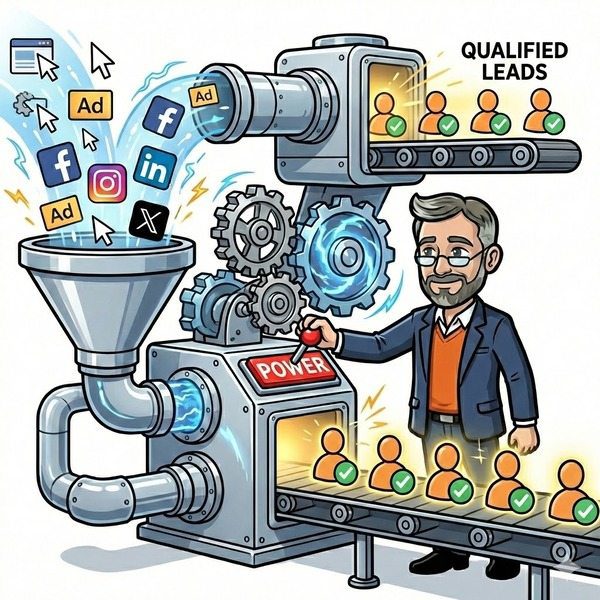
Franchise buyers visit opportunity websites 16 times on average before making contact. Leads typically spend 20 minutes per session researching franchises, and buyers consume 3 hours of information before purchasing decisions advance. Most of this research happens before anyone fills out a form.
Convert this anonymous research into identifiable franchise leads:
- Link “Partner With Us” or “Become a Dealer” pages from product, service, and dealer-locator sections of your website. Many potential franchisees start as equipment researchers, not franchise seekers.
- Place clear CTAs for prospective franchisees on equipment pages: “Interested in launching a rental and service operation in your territory?”
- Offer multiple contact options: short inquiry forms, gated franchise guides (creating lead magnets can incentivize potential clients to provide contact information), and calendar-based discovery call booking.
Using video demonstrations in marketing helps B2B buyers trust equipment quality; video marketing reaches over 2.5 billion monthly active users across platforms. Educational content is necessary to guide equipment buyers in their purchase decisions, and the same content pulls franchise prospects deeper into the sales funnel.

Offers that perform well for equipment franchisors include local territory potential reports based on construction starts or crop data, case studies showing year-by-year revenue ramp for actual franchise locations, and webinars walking through a typical day operating an equipment service franchise. Track micro-conversions (guide downloads, webinar registrations, FDD request clicks) using tag managers and CRM-integrated forms to attribute each franchise lead to specific campaigns.
Speed-to-Lead, Structured Qualification, and Nurturing for Long Decisions
Fast follow-up improves lead conversion rates in equipment sales. Even capital-intensive franchise candidates expect rapid acknowledgment. Respond to inquiries within minutes using automated email or SMS, then follow up personally within 24 hours. Use online scheduling links so serious franchisee candidates can book a discovery call immediately. Mobile-friendly forms and responses matter because contractors and managers are often in the field.
Structured qualification separates tire-kickers from real prospects:
- Ask discovery questions about capital availability, equipment or B2B operations experience, territory preference, and timeline.
- Combine declared data (form fields) with behavioral data (content consumed, emails opened, events attended) to score franchise leads into tiers. Development teams can then focus deep conversations on A-tier candidates.
For 6- to 18-month franchise decisions, nurturing keeps your brand top of mind. Send educational email sequences covering equipment support, training, marketing assistance, and financing options. Invite prospects to facility tours, demo days, or virtual walk-throughs. Share success stories and financial benchmarks from existing franchisees without overhyping returns.
2024 AFDR data shows discovery days convert at roughly 65% into signed agreements. The average time to close a franchise agreement runs about 19.6 weeks. Nurturing “not ready yet” leads is essential to predictable franchise growth when territories are limited and deals are large.
Connect Marketing, Franchise Sales, and Revenue Data
Many equipment franchisors track impressions and clicks but never link campaigns to signed franchise agreements. This gap makes it impossible to determine which channels produce profitable franchise growth.
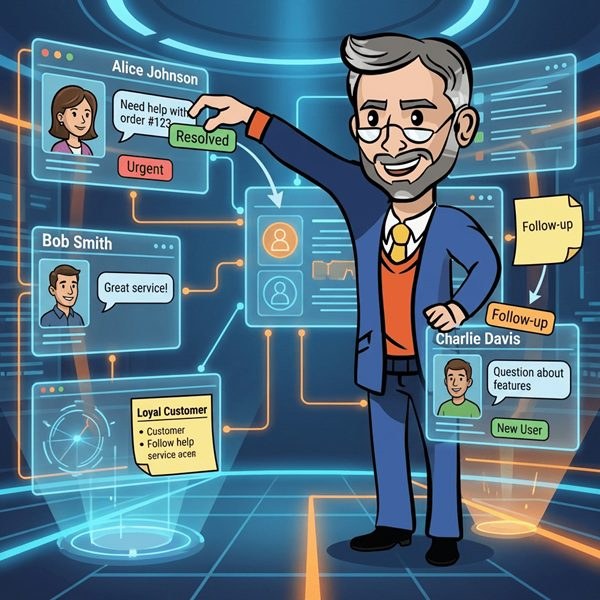
Every franchise lead should enter a CRM with source, campaign, keyword, and first-touch page data. The sales team updates stages: inquiry, initial calls, application, FDD review, discovery day, awarded territory. Marketing reviews closed-won and closed-lost outcomes by channel.
Metrics that matter beyond cost per lead:
- Cost per qualified conversation: candidates who complete a discovery call or application. Tracking metrics like cost per qualified lead is vital for assessing lead generation effectiveness.
- Cost per franchise awarded: franchisors may allocate $500,000 for lead generation annually. The cost per new franchisee can be $50,000 with that budget. With optimization, variable costs for lead generation can drop to $30,000 per franchisee. Franchise lead generation efficiency is measured by cost per franchise, not cost per name.
- Lead-to-franchisee conversion rate by channel: brands exceeding recruitment goals paid about $134 per lead and $18,983 per awarded franchise through non-broker channels. Overall lead-to-sale conversion runs around 2.3%.
A simple comparison: a $250 CPL portal campaign producing 100 leads with zero signed franchisees costs infinity per awarded territory. A $600 CPL paid search campaign producing 20 leads with 3 signed franchisees costs $4,000 per sale. Run monthly or quarterly joint reviews between marketing and franchise development teams to refine targeting and budget allocation based on actual outcomes.
Common Equipment Franchise Lead Generation Mistakes to Avoid
- Chasing lead volume over fit. Optimizing for low cost per lead from generic franchise portals floods your pipeline with unqualified leads. Resicert reduced CPL from A$43.75 to A$18.39 over six years by focusing on qualified candidates instead of raw volume.
- Using consumer marketing messaging. Lifestyle promises (“be your own boss”) attract the wrong audience. Equipment prospects want unit economics, equipment support details, and territory strategy. Your brand story must center on operational credibility.
- Ignoring existing equipment customers. Service-heavy or fast-growing accounts already know your equipment and market. They are strong franchise or dealer conversion prospects often overlooked.
- Underestimating content depth. A one-page brochure is not enough. Brands that exceed recruitment goals all provide financial performance representations. Detailed guides, FAQs, and operational transparency reduce perceived risk for capital-intensive decisions.
- Weak follow-up systems. Leads slip through the cracks without a centralized CRM or assigned follow-up tasks. Lead capture without structured follow up wastes every marketing dollar spent.
- Cookie-cutter regional approach. Pushing the same franchise lead generation strategy everywhere ignores local construction cycles, crop seasons, industrial development, and zoning realities.
These mistakes produce uneven franchise growth and wasted spend. A disciplined process that connects lead generation to qualification to awarded territories prevents them.
Why Choose Our Team for Equipment Franchise Lead Generation
Our team at Pro Equipment Marketing works exclusively with equipment manufacturers, OEMs, dealers, distributors, franchisors, and rental providers. We understand the difference between generating a list of names and generating qualified candidates who can operate a service territory, manage a rental fleet, or run a parts-and-service dealership.
We connect marketing efforts directly to pipeline: applications started, discovery days attended, and franchise agreements signed. Our experience spans agricultural equipment, construction equipment, material handling, and specialty machinery. We build lead generation systems that serve both corporate sales and dealer or franchise recruitment without creating channel conflict.
Our capabilities include SEO and paid media tuned for equipment and franchise keywords, content development that explains technical equipment value alongside the franchise opportunity, and CRM setup with reporting so franchisors see which channels produce their best franchise leads. Every recommendation ties back to measurable franchise growth: more right candidates, better conversion, and stronger territories.

Next Steps and Call to Action
Start by auditing your current franchise lead sources. Identify where you depend too heavily on portals or low-intent channels. Clarify or update your ideal equipment franchise candidate profile based on your best-performing current franchisees. Map the journey from anonymous website visitor to awarded franchise and pinpoint where prospects drop off.
If you are ready to invest in a franchise lead generation strategy built for equipment brands, reach out with your current franchise development numbers, growth goals, and target territories. We will move from theory to a concrete plan in the first conversation.
Contact Pro Equipment Marketing to schedule a strategy session focused on your equipment segment, your territories, and your growth targets.
FAQs About Equipment Franchise Lead Generation
Below are common questions from equipment franchisors and manufacturers working to expand their franchise system and accelerate growth through better franchise development.
How is equipment franchise lead generation different from other franchise industries?
Equipment franchises involve higher capital investments, more complex operations (service, parts, rentals), and B2B clientele. Candidates must understand maintenance logistics, fleet management, and regulatory compliance. Decision cycles and due diligence run longer than typical fast-casual or retail franchise opportunities, often 6 to 18 months from first inquiry to signed agreement.
What counts as a “high quality” equipment franchise lead?
Quality leads match financial and experience criteria, are located in viable territories, and demonstrate clear interest by engaging with detailed content, not just downloading a brochure. Quality also shows up downstream: these candidates follow through on applications, FDD reviews, and discovery events at higher rates.
How long does it typically take to convert a franchise lead into an awarded territory?
The industry average for closing a franchise agreement is about 19.6 weeks. Equipment franchises often run 3 to 12 months from inquiry to agreement, sometimes longer for multi-unit or large territory deals. Financing readiness, equipment familiarity, and market study completion speed or slow the timeline.
Should we still use franchise portals for our equipment franchise?
Portals can serve as a small, experimental part of the mix. Evaluate them strictly on awarded-franchise outcomes and cost per franchisee, not just leads delivered. Franchise brokers can connect serious investors with equipment franchises, but neither brokers nor portals should be your primary source of franchise leads.
How many franchise leads do we need each month to hit our growth goals?
Required lead volume depends on your conversion rates at each stage. If 5% of qualified leads become franchisees and you want 10 new units per year, you need roughly 200 qualified leads over that period. Focus on improving conversion and lead quality instead of chasing arbitrary lead counts.
What tools or platforms are most important for tracking franchise leads and sales?
Use a CRM that tracks franchise-specific stages (inquiry, application, discovery day, awarded territory), integrates with website forms, and records campaign sources. Analytics platforms and call tracking tie marketing activity to real conversations and awarded territories. This data lets you determine which channels deserve more investment and which to cut.